- Exploring the Enchanting World of Atelopus vogli: Venezuela's Colorful Jewel of Conservation Concern
- Taxonomy and Classification of Atelopus vogli
- Natural Habitat: The Hidden Realms of Venezuela’s Cloud-Forests
- Physical Characteristics: Patterns of Nature’s Artistry
- Behavior and Life Cycle: Amphibian Wonders
- A Crucial Ecological Role
- Threats and Conservation Status: A Fragile Existence in Danger
- Cultural and Scientific Significance: Bridging Humanity and Nature
- Conclusion: Taking Action for Atelopus vogli and the Future of Biodiversity
Exploring the Enchanting World of Atelopus vogli: Venezuela’s Colorful Jewel of Conservation Concern#
The dense forests and vivid landscapes of South America shelter some of the most extraordinary wildlife on our planet. Amidst these lush habitats exists a small, enigmatic amphibian known as Atelopus vogli—a striking toad native to Venezuela that captivates scientists, conservationists, and nature enthusiasts alike. Often referred to affectionately as Vogl’s Harlequin Frog, this beautifully patterned amphibian is not only a wonder of evolution but also a symbol of ecological alarm due to its fragile existence.
With flamboyant colors and patterns resembling exquisite jewels, Atelopus vogli stands out remarkably in its lush rainforest habitat. Yet its vibrant appearance belies an important ecological message, one reminding us all of nature’s vulnerability and the urgent need for environmental conservation efforts. But what makes this little animal so special, and what story does it have to tell?
Taxonomy and Classification of Atelopus vogli#
The Harlequin Frogs are part of the family Bufonidae, known widely as true toads, distinguished by their dry, bumpy skin and specialized glands. Within this family, the genus Atelopus is renowned for its dynamic coloration and alarming susceptibility to environmental threats. Today, this genus represents one of the most critically endangered amphibian lineages globally.
Atelopus vogli was officially described in scientific literature in 1934 by the renowned herpetologist Doris Mable Cochran. As one among approximately a hundred fascinating species in this colorful genus, it showcases distinctive traits that assist scientists in comprehending evolutionary relationships amongst amphibians. Close relatives like Atelopus cruciger and Atelopus carbonerensis offer comparative insights, highlighting ecological divergence and adaptation strategies unique to A. vogli‘s particular habitats and biological needs.
Natural Habitat: The Hidden Realms of Venezuela’s Cloud-Forests#
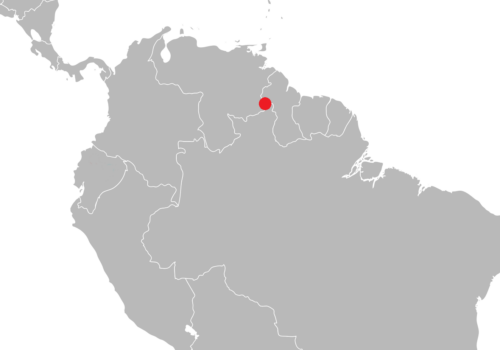
Nestled deep in Venezuela’s picturesque mountain valleys and mossy cloud-forests, Atelopus vogli inhabits areas known notably within the Cordillera de Mérida and adjacent montane regions. These high-altitude forests, blanketed with perpetual mist, nourish a remarkable biodiversity that enthralls naturalists and researchers alike. Here, amidst moss-covered rocks, laden foliage, lush ferns, and crystal-clear mountain streams, the Vogl’s Harlequin Frog thrives in its microhabitat of humidity and continuous moisture.
Adapting to Montane Conditions#
The forests hosting this amphibian receive abundant rainfall throughout the year, maintaining a cool, moist climate ideal for amphibian life. Within these pristine environments, streams gurgle gently, clear-water cascades trickle melodically over rocks carpeted in emerald-hued moss, creating the perfect habitat for A. vogli. Its life closely ties to flowing water habitats, essential for the development of larvae into adults. The dense fog and perpetual dampness of these regions support a thriving ecosystem of mosses, lichens, and ferns—plants that provide critical shelters and sustenance for insects, the primary prey of our colorful frog friend.
Physical Characteristics: Patterns of Nature’s Artistry#
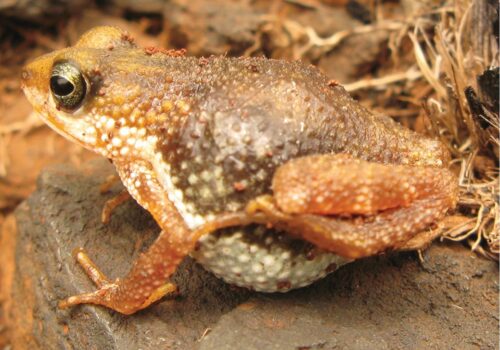
True to the harlequin namesake, Atelopus vogli sports audacious coloration in shades and patterns so flamboyant that each individual seems hand-painted by the skilled brushes of nature itself. Adults generally measure between two and four centimeters—a small yet immediately captivating stature. Bright yellow, orange, and black patterns dominate its sleek body, a visual signature instantly noticeable in the emerald surroundings.
The contrast is more than cosmetic: this bright coloration serves as a warning—an evolutionary strategy known as aposematism. Their skin secretes potent toxins which deter possible predators; these clearly defined, vibrant patterns unmistakably communicate danger to would-be predators, ensuring survival in their treacherous environment.
Evolutionary Advantages in Coloration and Form#
The body of A. vogli is streamlined and adapted perfectly for its riverine lifestyle. Its limbs, long and muscular relative to its small size, enable agile locomotion across slick, moist surfaces, leaping effortlessly among rocks and vegetation. Adhesive toe pads further enhance gripping capabilities, allowing it to cling securely to slippery surfaces—an invaluable trait in its aquatic microhabitat.
Behavior and Life Cycle: Amphibian Wonders#
Atelopus vogli displays fascinating behaviors tied intrinsically to seasonal rainfall patterns. Synchronization with rainy seasons dictates the initiation of reproduction, spawning remarkable displays of amphibian activity intensified by an auditory spectacle. Male frogs gather along streams, announcing themselves through distinctive, melodic calls whose notes resonate beautifully amidst the rainforest ambiance.
From Egg to Adult: A Watery Journey#
Reproductive seasons begin with males carefully guarding prime locations along shallow waters, performing persistent calling rituals to attract potential mates. Upon successful courtship, eggs are laid in strings attached delicately to submerged surfaces along the streambed. These eggs develop into carefully adapted tadpoles, sharply differing from adults in dietary habits and behavioral nature. While non-toxic, these larvae possess remarkable camouflage to evade aquatic predators during this vulnerable developmental stage. Eventually, as the tadpoles transition into adults—a dazzling metamorphosis unfolds, both in physiology and coloration, transforming them into the striking, boldly-patterned terrestrial adults we admire.
A Crucial Ecological Role#
The ecological significance of Atelopus vogli extends beyond mere beauty. Like other amphibians, Vogl’s Harlequin Frog serves as a vital ecological indicator, a sentinel species offering early warnings about environmental deterioration due to their highly sensitive skin.
In turn, as voracious insect-eaters, these frogs manage insect populations within their forest homes, stabilizing ecosystem balance and indirectly contributing to plant pollination by regulating insect-herbivore interactions. Concurrently, they form crucial food sources for larger predators, including reptiles, birds, and mammals, occupying critical positions in the intricate and delicately balanced rainforest food web.
Threats and Conservation Status: A Fragile Existence in Danger#
Despite the species’ significant ecological value and enchanting allure, Atelopus vogli faces dire conservation challenges. Habitat loss due to rampant agriculture, logging, and urbanization has substantially reducing its natural habitat. Climate change also presents severe challenges, altering rainfall patterns and temperature rhythms these amphibians rely upon critically for their reproductive success and survival.
Yet, perhaps most alarming, is the global amphibian crisis spurred by diseases such as chytridiomycosis, caused by the fungus Batrachochytrium dendrobatidis. The insatiable fungus penetrates amphibian skin, disrupting vital electrolyte exchange—an ailment devastatingly fatal to many amphibians, particularly susceptible species like those within the genus Atelopus. Internationally, the IUCN identifies Atelopus vogli as Criticality Endangered (CR), underscoring the urgency needed in conservation actions.
Conservation Efforts Underway#
Encouragingly, numerous local conservationists and organizations continue their relentless mission protecting A. vogli. Efforts include meticulous monitoring practices, captive breeding and release programs, habitat restoration, and environmental education among local communities. Venezuela’s dedicated conservation community channels valuable research, aiming to safeguard existing populations and reclaim critical habitats, fostering hope for the species’ cautious recovery.
Cultural and Scientific Significance: Bridging Humanity and Nature#
Within indigenous communities, vividly-patterned amphibians such as A. vogli often embody deeper symbolic values, seen both as emissaries of nature’s abundance and agents harboring potent spiritual wisdom. Scientifically, their susceptibility to pathogens and sensitivity to environmental changes represent significant data points invaluable to studying global biodiversity changes, climate change impacts, and wildlife disease dynamics.
For researchers, understanding the unique biology of A. vogli expands knowledge enormously, potentially aiding medical and ecological discoveries, from toxin analysis that could yield medical breakthroughs, to climate-sensitive monitoring activities.
Conclusion: Taking Action for Atelopus vogli and the Future of Biodiversity#
Once widespread and thriving, the future of Atelopus vogli now hangs in precarious balance. Yet as a living piece in the mosaic of our natural heritage, it remains profoundly captivating and profoundly important. By understanding its biology, ecology, and ongoing threats, each of us can rise to safeguard this spectacular, diminutive ambassador from Venezuela’s threatened forests.
Advocating comprehensive habitat conservation, investing actively in conservation research, and spreading awareness are imperative for conserving these charismatic amphibians. May the colorful story of Atelopus vogli continue to enchant generations and inspire commitment towards protecting our natural world.