- Introduction: An Amphibian in Shadows and Sunlight
- Taxonomy and Classification: Understanding Its Place
- Natural Habitat: The Jewel of Colombia's Andes
- Physical Characteristics: Nature's Living Masterpiece
- Behavior and Life Cycle: Surviving in a Complex Ecosystem
- Ecological Role: Threads in the Ecosystem Tapestry
- Threats and Conservation Status: A Species on the Edge
- Cultural and Scientific Significance: Valuing Nature's Hidden Gems
- Conclusion: Saving Colombia’s Hidden Harlequin Jewel
Introduction: An Amphibian in Shadows and Sunlight#
Amidst the lush cloud forests and crystal-clear streams of Colombia’s Andes mountains, a vibrant, jewel-like amphibian clings precariously to survival. Its striking coloration, resilient character, and fragile existence combine in a poignant testament to nature’s paradoxes: stunning beauty woven tightly with vulnerability. This captivating amphibian is the Atelopus sernai, commonly dubbed Serná’s Harlequin Frog, named affectionately after its discoverer and prominent Colombian herpetologist Marco Rueda Serná. Its striking color patterns immediately captivate observers, serving as both the frog’s charismatic allure and its defensive warning.
A member of the Bufonidae family, Atelopus sernai epitomizes the complexity and fragility of ecosystems often overlooked by global conservation agendas. Its story is at once one of wonder and a cautionary tale, inviting deeper reflection into our responsibility towards biodiversity.
Taxonomy and Classification: Understanding Its Place#
The Atelopus sernai belongs to the expansive Bufonidae family—more commonly known as ‘true toads.’ Despite this familiar family association, the genus Atelopus—often called “Harlequin frogs”—exhibits some notably distinct traits compared to familiar backyard species. Within this genus, approximately 100 described species present a dazzling array of patterns, ornamentations, and behaviors, each uniquely adapted to its habitat.
Described formally in 1994 by herpetologists Ruiz-Carranza and Osorno-Muñoz, Atelopus sernai occupies a special ecological and historical niche. It shares close connections with other Andean Atelopus species—species similarly threatened by habitat degradation and the chytrid fungus epidemic, such as Atelopus laetissimus and Atelopus nahumae.
Natural Habitat: The Jewel of Colombia’s Andes#
A Geographical Treasure Chest#
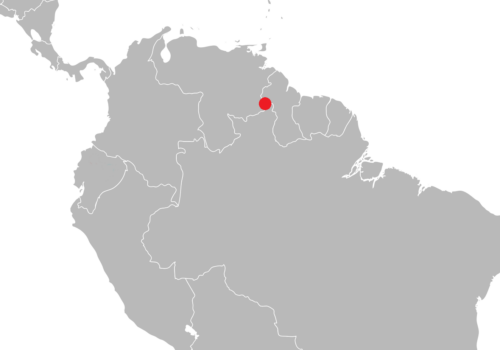
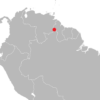
The natural distribution of Atelopus sernai remains incredibly limited, confined primarily to specific catchments and streams in Colombia’s Western Cordillera. Thriving at elevations between 1,600 and 2,400 meters where pristine streams trickle through lush subtropical forests, this frog epitomizes the delicate interdependency of amphibians on their surroundings. In these shaded valleys, frequent rainfall and enveloping mist maintain the moisture crucial to this species’ survival.
Living Alongside Flowing Water#
The streams where Atelopus sernai resides are often crystal-clear waterways bordered by moss-covered rocks, tangled roots, fallen logs, and dense fern undergrowth. This environment provides optimum shelter and camouflage amidst the leaf litter and stones, blending colorfully but cryptically with its surroundings.
These waterways not only provide refuge but also nourishment. Small aquatic invertebrates thriving in these ecosystems make up the frog’s primary diet, highlighting its crucial ecological role as both a predator and prey species.
Physical Characteristics: Nature’s Living Masterpiece#
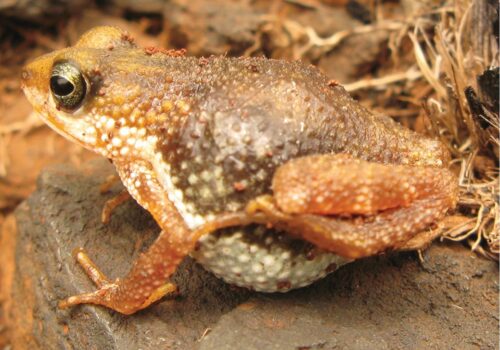
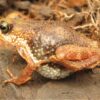
The Atelopus sernai is not an amphibian one easily forgets. Even at a modest size—typically measuring just 2-3 centimeters from snout to vent—its bold coloration defies its diminutive stature. The frog’s glossy skin radiates combinations of vibrant yellows, brilliant blacks, and rich browns, woven into unique patterns on each individual. Markings can vary locally, reflecting each pocket population’s unique blend of genetic traits.
Its slender yet robust limbs are adapted expertly for gripping rocky substrates and vegetation. Remarkably functional digits enable confident climbing and hopping among slippery surfaces, while its body is built for both fast escapes from aquatic predators and efficient terrestrial locomotion. Furthermore, its bright coloration is not merely ornamental; it serves as aposematic coloration—a stark warning to potential predators about its toxicity, a potent deterrent evolved over millions of years.
Behavior and Life Cycle: Surviving in a Complex Ecosystem#
Feeding and Hunting Habits#
Atelopus sernai is predominantly a terrestrial feeder, although it relies significantly on aquatic prey sources such as aquatic insects, larvae, and small invertebrates. It hunts adeptly, patiently awaiting prey, blending seamlessly into its surroundings before striking swiftly and efficiently. This approach balances energy conservation with predation success, an evolutionary adaptation finely tuned through generations of refinement.
Mating Rituals and Breeding Behavior#
At the onset of the rainy season, when streams swell into lively ribbons cascading down the slopes, the Atelopus sernai embarks on its brief yet fascinating breeding journey. Male frogs congregate around particularly favorable water bodies, their soft but persistent calls—airy and high-pitched chirps—sounding through the humid air to entice females drawn from surrounding forests.
Once paired, the frogs engage in amplexus, an intimate mating posture in which males tightly grasp the female’s back. After fertilization, female frogs deposit gelatinous strings of eggs in the calmer edges of gently flowing streams. The transparent eggs soon give rise to tadpoles, usually inhabiting slow-moving pools away from forceful stream currents.
The larvae exhibit a strong affinity for hiding amongst submerged vegetation and debris, developing rapidly until metamorphosis grants them adult limbs and lungs to navigate the terrestrial realm. This complex cycle emphasizes their reliance on pristine, disturbance-free watercourses, marking freshwater habitat integrity as vitally consequential.
Ecological Role: Threads in the Ecosystem Tapestry#
Atelopus sernai plays multifaceted roles that stretch broadly across different trophic levels. As adept insectivores, they regulate populations of insects and other small aquatic organisms, maintaining balance within their delicate ecosystems. Their presence also provides sustenance for several predators, including birds, reptiles, and small mammals undeterred by their toxins.
Moreover, like other amphibians, Atelopus sernai exhibits acute vulnerability to ecosystem alterations and pollutants, effectively serving as a bioindicator species. Changes in their population densities can thus provide crucial insights into broader ecosystem health, acting as an early warning against environmental degradation.
Threats and Conservation Status: A Species on the Edge#
Sadly, Atelopus sernai stands as a critically endangered species, confronting diverse threats pushing it perilously close to extinction. The global amphibian chytrid fungus (Batrachochytrium dendrobatidis) outbreak poses one of the gravest threats, driven partly by climate change-induced temperature fluctuations. This virulent fungal pathogen has decimated harlequin frog populations regionally, presenting a dire threat to the species’ survival.
Further exacerbating issues are rampant deforestation, habitat fragmentation, agricultural runoff, and pollution. Colombia’s forests are under mounting pressures from human encroachment, increasingly adverse weather patterns, and resource exploitation—all negatively affecting water quality and overall ecosystem stability.
Although researchers and conservation groups have committed considerable resources to monitoring, habitat restoration, and even captive breeding initiatives, the species remains at severe risk, emphasizing the urgency and breadth of conservation responses required.
Cultural and Scientific Significance: Valuing Nature’s Hidden Gems#
Atelopus sernai, though not widely celebrated in popular culture, holds profound symbolic significance for regional communities and scientists alike. Indigenous traditions frequently recognize frogs symbolically as guardians of water and fertility, esteemed protectors whose abundance signifies ecological harmony.
Scientifically, the species provides unique insights into amphibian toxicology, evolution, and biogeographic diversification amidst prolonged isolation and speciation in the Andes. Their sensitivity has contributed invaluable climate change data, serving as evidence of anthropogenic environmental impacts and ecological shifts.
Conclusion: Saving Colombia’s Hidden Harlequin Jewel#
The story of Atelopus sernai encapsulates the profound interconnectedness between species, ecosystems, and human societies. Its vibrant coloration is nature’s colorful cry for attention—a plea for understanding, appreciation, and conservation action.
As champions of biodiversity, conservation advocates, nature enthusiasts, and responsible global citizens, continued exploration and awareness remain essential. Supporting conservation initiatives, promoting ecological education, and safeguarding the precious mountain watersheds that sustain Atelopus sernai is not merely our duty—it is a deeply rewarding manifestation of stewardship toward planet Earth’s astonishing living heritage.
Join us in lending your voice, your actions, and your support toward preserving the captivating Atelopus sernai and the invaluable cloud forest habitats it calls home. Upon these collective efforts hinge not just their survival, but our understanding and appreciation of the miraculous diversity surrounding us.