- Nectophrynoides viviparus: The Remarkable Frog That Gives Birth to Live Young
- Taxonomy and Classification: Understanding <em>Nectophrynoides viviparus</em>
- Natural Habitat: Cloud Forests and Mist-shrouded Mountains
- Physical Characteristics: Small, Secretive, and Superb Adaptations
- Behavior and Life Cycle: Unique Among Amphibians
- Ecological Role: Guardians of a Delicate Balance
- Threats and Conservation Status: Standing on Fragile Ground
- Cultural and Scientific Significance: A Window Into Evolution
- Conclusion: Supporting the Survival of an Extraordinary Species
Nectophrynoides viviparus: The Remarkable Frog That Gives Birth to Live Young#
In the misty forests nestled within the lush, rolling mountains of Tanzania, a small frog challenges our fundamental understanding of amphibian biology. Known scientifically as Nectophrynoides viviparus, this humble yet extraordinary creature offers a rare glimpse into nature’s endless capacity for adaptation and innovation. Unlike most frogs, which produce eggs that hatch externally, this astonishing amphibian defies convention—it gives birth directly to fully-formed young, bypassing the tadpole stage entirely. Welcome to a vivid exploration of the life, habits, and mysteries surrounding this exceptional inhabitant of East Africa’s cloud-shrouded peaks.
Taxonomy and Classification: Understanding Nectophrynoides viviparus#
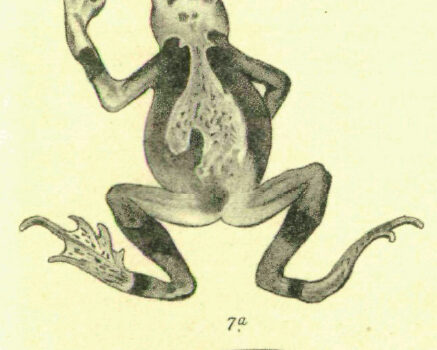
Nectophrynoides viviparus, commonly known as the African viviparous toad, belongs to the family Bufonidae, a diverse group distinguished by their robust build and typically dry, warty skin. Within this family, Nectophrynoides is a particularly fascinating genus endemic to the mountainous regions of Tanzania. Greek and Latin roots give clues to its unique biology—”necto” derived from the Greek meaning “to swim,” and “phrynos,” meaning toad. More importantly, “viviparus” is Latin for live-bearing, a direct nod to its most defining and unconventional reproductive strategy.
Closely related species in the genus share unique reproductive adaptations, yet Nectophrynoides viviparus stands out sharply due to its extraordinary commitment to viviparity, a reproductive method otherwise rare amongst amphibians worldwide. Its taxonomy, both intricate and telling, invites scientists to delve deeper into the origins of its special life-history traits.
Natural Habitat: Cloud Forests and Mist-shrouded Mountains#
The home of Nectophrynoides viviparus is limited exclusively to Tanzania’s biodiverse Eastern Arc Mountains, frequently referred to by conservationists as the “Galapagos of Africa” due to their remarkable endemism and ecological complexity. Unearthly clouds frequently envelop the vegetation in these moist, high-altitude forests—ecosystems known as cloud forests—creating a humid, perpetually damp habitat ideal for these moisture-loving amphibians.
Life Among the Moss and Mist#
Amid dripping fronds of ferns and sprawling sheets of moss carpeting fallen logs, Nectophrynoides viviparus carefully navigates its magical environment. Typically, the frogs find their shelter within leaf litter or conceal themselves beneath overhanging vegetation, benefiting from the stable, moisture-retaining microhabitats ideal for their sensitive, permeable skin. The frog’s survival is intricately tied to dense canopy coverage and high humidity provided uniquely by these cloud forests, illustrating its specialized adaptation and vulnerability to even minor ecological disturbances.
The Eastern Arc Mountains harbor numerous distinctive amphibians, yet in these foggy realms, the viviparous toad is uniquely adapted. Where streams trickle gently through moss-covered rock crevices and every surface seems glistening with moisture, this creature finds its niche, living out its days amid a paradise of biodiversity hidden by veils of persistent mist.
Physical Characteristics: Small, Secretive, and Superb Adaptations#
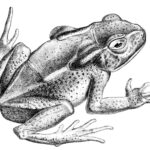
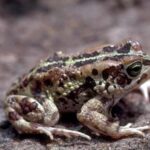
At first glance, Nectophrynoides viviparus appears modest in both size and coloration—average adult length ranges only up to a diminutive 20 to 30 millimeters, with females slightly larger than males. Their coloration blends seamlessly with the environment, shades varying from muted browns and greens to subtle hues of grey, allowing exceptional camouflage amongst the forest floor’s leaf litter, moss, and damp bark. Small warts and granular textures across their bodies further break up their outline, enhancing their cryptic appearance.
But upon closer examination, one can appreciate the elegance of adaptation. Their limbs are delicate yet surprisingly strong, perfect for agile, precise movements among uneven terrain. Large, protruding eyes grant stellar nocturnal vision—a necessity in the shadowy mist. Their skin, highly permeable and sensitive, is attuned precisely for exchanging gases and moisture with their damp environment, indicative of their essential dependence on the moisture-rich habitat.
Behavior and Life Cycle: Unique Among Amphibians#
The most enthralling chapter in the story of Nectophrynoides viviparus is undoubtedly its remarkable reproductive behavior. Forgoing the familiar amphibian strategy of external egg-laying common to nearly all frogs and toads, female viviparous toads nurture embryos internally until fully formed froglets emerge. This evolutionary leap bypasses the typical aquatic larval stage.
A Unique Act of Viviparity#
Breeding occurs predominantly during the wet season, when rainfall revitalizes their cloud-drenched habitat, signaling the optimal time to reproduce. Male frogs emit soft, melodic trills at night, not loud croaks that we often associate with amphibians. These subdued, almost flute-like notes float gently across the mist-cloaked forest floor, beckoning potential female mates through veil-like moisture.
Once fertilization occurs, females retain fertilized eggs within their reproductive tract, providing a safe haven and nourishment via maternal secretions—a fascinating amphibian equivalent of live birth carefully replicated by the rare few species. Gestation lasts a remarkable several months, and the mother “gives birth,” typically to around a dozen—although sometimes fewer—fully developed miniature adults, immediately ready to face the world.
This internalized process drastically reduces predation risk associated with fragile aquatic larvae, an evolutionary adaptation perfectly suited for their terrestrial cloud-forest environments. Emerging independent, tiny replicas of their parents, these newborns scamper directly into cover, demonstrating astonishingly immediate survival instincts.
Ecological Role: Guardians of a Delicate Balance#
Despite their tiny size and secretive nature, the presence and health of populations like Nectophrynoides viviparus hold profound significance for their ecosystem. Amphibians, broadly considered key environmental indicators, reflect ecosystem health and alert us to imminent ecological threats.
Predators and Prey#
Due to their small stature, these frogs contribute to the complex food web as both predator and prey. They feed primarily on small invertebrates: ants, termites, mites, and tiny insects drawn to the moisture-rich forest, performing a critical role in insect population regulation. Meanwhile, being small and relatively defenseless amphibians, they simultaneously act as valuable prey for a host of predators, from snakes and birds to various insectivorous mammals and larger amphibians. Hence, the presence of healthy viviparous toad populations signals balanced biodiversity fundamental to these forests’ ecological health.
Threats and Conservation Status: Standing on Fragile Ground#
Today, Nectophrynoides viviparus faces significant threats, highlighting conservation challenges common among specialized amphibians in limited habitats. The International Union for Conservation of Nature (IUCN) currently classifies this species as Vulnerable, highlighting its vulnerability due to habitat loss primarily caused by deforestation, logging, agricultural encroachment, and climate change-induced shifts.
Conservation Efforts and Future Hope#
While significant portions of Tanzania’s Eastern Arc Mountains receive formal protection, pressures from human settlements and agriculture encroach ever closer. Conservation entities like the Tanzania Forest Conservation Group and international groups work actively to protect crucial habitats, striving to ensure national park and reserve enforcement remains robust and advocating for community-based conservation initiatives. Involving locals in sustainable agriculture, promoting ecotourism, and fostering understanding of biodiversity’s intrinsic value remain key strategies in conserving this remarkable amphibian.
Cultural and Scientific Significance: A Window Into Evolution#
While Nectophrynoides viviparus may not prominently feature in local folklore, its scientific significance transcends borders and cultures. Its exquisite example of amphibian viviparity fuels evolutionary biology studies, challenging scientists to unravel evolutionary “leaps” that enable such radical reproductive departures. These frogs provide clues to understanding the pressures and adaptations that mold life’s incredible variability, helping researchers unlock biological principles of reproduction, maternal care, and life strategy evolution.
Conclusion: Supporting the Survival of an Extraordinary Species#
Nectophrynoides viviparus stands as a testament to life’s remarkable ability to adapt, a tiny frog with a compelling reproductive strategy that rivals nature’s most astonishing innovations. Its survival represents the fragile yet captivating beauty of biodiversity hotspots like the Eastern Arc Mountains. Join conservation efforts and raise awareness to ensure this extraordinary amphibian continues its secretive, enchanting existence among the mists and moss-laden forests of Tanzania, reminding us that our greatest discoveries often hide quietly in the smallest creatures.