- Mertensophryne nyikae: The Enigmatic Frog of Africa's Hidden Highlands
- Taxonomy and Classification
- Natural Habitat: The Mystical Montane Wilderness
- Physical Characteristics: Small but Exquisitely Adapted
- Behavior and Life Cycle: Subtle Yet Fascinating
- Ecological Role: Small Canaries in the Highland Coal Mine
- Threats and Conservation Status: Navigating a Rapidly Changing World
- Cultural and Scientific Significance
- Conclusion: A Call to Cherish the Nyika Plateau Jewel
Mertensophryne nyikae: The Enigmatic Frog of Africa’s Hidden Highlands#
Indeed, tucked away amidst the mist-drenched montane grasslands and shadowy forest floors of East Africa exists an amphibian that few have ever laid eyes upon—the Nyika dwarf toad (Mertensophryne nyikae). Small yet resilient, inconspicuous yet critical, this unique amphibian embodies the delicate balance that sustains the biodiversity of one of Africa’s most biologically diverse landscapes. It is a frog shrouded in mystery, rarely studied, yet its subtle existence highlights the ecological complexity unique to its dwindling highland home.
Imagine wandering into the lush mist-veiled slopes of Nyika Plateau’s cloud forests. Dew clings softly to emerald-colored leaves; a velvet carpet of moss blankets the ancient rocks around your feet. Amid the silence, broken only by distant birdsong and the occasional rustle of branches, moves a humble and secretive creature—the tiny Nyika dwarf toad. Hardly impressive in size, yet captivating in its subtle beauty and essential to its ecosystem, Mertensophryne nyikae deserves a closer, more contemplative look.
Taxonomy and Classification#
To appreciate the significance of the Nyika dwarf toad, we first place it within its broader taxonomic context. Mertensophryne nyikae belongs to the family Bufonidae, commonly known as true toads. Within this family, the genus Mertensophryne comprises a group of specialized, primarily forest-adapted toads native to eastern and southern Africa. Named after renowned German herpetologist Robert Mertens, the genus itself indicates a lineage adapted specifically to highland interiors and specialized habitats.
The species Mertensophryne nyikae was first reliably documented and described in detail by Poynton in 1961. It shares its genus with a handful of closely related species—Mertensophryne micranotis, Mertensophryne anotis, among others—most occupying very narrow habitat niches in montane or lowland forest regions with intricate microhabitat requirements. This delicate specialization both fascinates scientists and makes the toads increasingly vulnerable in the face of habitat disturbances.
Natural Habitat: The Mystical Montane Wilderness#
The Nyika dwarf toad inhabits a very specific and enchanting corner of Africa, namely the Nyika Plateau region stretching across northern Malawi, southwestern Tanzania, and a small part of Zambia. Rising dramatically above the surrounding regions, the plateau forms a mosaic of montane grasslands, evergreen cloud forests, fragmented miombo woodlands, and moist ravines—a genuinely breathtaking ecological tapestry.
Within these montane ecosystems, Mertensophryne nyikae demonstrates an exceptional preference for moist, sheltered microhabitats beneath leaf-litter, logs, and stones on shaded forest floors. During the rainy season, when mist blankets these highlands, creating a surreal and ephemeral environment, this tiny toad ventures out actively. The rest of the time, much like a beholder of ancient secrets locked within the forest floor, it seeks refuge in concealed corners, carefully regulating its moisture levels, and carefully evading predation.
A Special Adaptation to Highland Conditions#
The cool, humid conditions and specific altitude requirements (generally above 1,800 meters) place significant limits on where populations of this little toad can sustainably exist. Its adaptation to such precise conditions reflects millions of years of evolutionary adjustments. Each niche, shaded ravine, or moss-covered log matters hugely, and even minor changes to temperature, humidity regimes, or forest cover can lead to catastrophic habitat loss for these specialized amphibians.
Physical Characteristics: Small but Exquisitely Adapted#
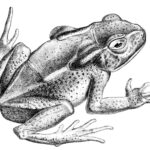
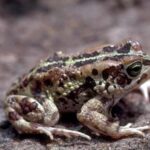
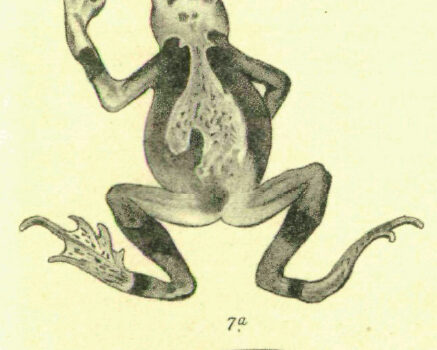
The Nyika dwarf toad is no towering giant—they average barely a couple of centimeters from snout to vent—but its subtle beauty, intricate coloration, and careful camouflaging adaptations are noteworthy. Its relatively rough, glandular skin ranges in colors from earthy tones like olive, brownish-gray, or bronze, subtly mottled or dappled to match forest-floor leaf litter. Nature, ever resourceful, bestows upon this diminutive frog perfect cryptic coloration, enabling it to disappear effortlessly from sight.
A closer look reveals profound adaptations. Short limbs and a compact, squat body help preserve water, essential for an amphibian dwelling within delicate moisture boundaries. Their remarkably smooth ventral surface differs from their rough-textured dorsal skin, facilitating efficient absorption of moisture from the ground or damp substrates where they rest hidden through the dry seasons.
Behavior and Life Cycle: Subtle Yet Fascinating#
Investigating the behaviors of Mertensophryne nyikae reveals fascinating details and fascinating questions. Few scientific studies have detailed its life cycle comprehensively, underscoring the secretiveness of this tiny dweller. Nonetheless, piecing together what observers and researchers have witnessed sheds light on its fascinating lifestyle.
Feeding Habits: Quiet Hunters of the Shadows#
Mertensophryne nyikae is primarily an insectivore, feeding predominately on tiny arthropods that also enjoy the same shaded, moist microhabitats. Their diet likely includes small ants, termites, springtails, and even occasional tiny beetles or larvae. Patient and quiet, these small hunters typically wait motionlessly in ambush, relying on their cryptic coloration and agile tongues that dart out rapidly to secure a quick meal.
Breeding and Reproduction#
When the monsoon rains transform Nyika into a saturated wonderland, the Nyika dwarf toad emerges more openly for breeding. Males issue subtle, chirping calls from hidden locations near temporary pools, shallow depressions in moss, or waterlogged forest patches. After successful courtship, females carefully deposit strings of eggs in moist, sometimes ephemeral puddles or rain-filled depressions—highlighting their extreme dependence upon seasonal rains. Tadpole development follows rapidly, as pools often evaporate quickly, pressuring young tadpoles to mature swiftly and metamorphose into miniature versions of their parents.
Ecological Role: Small Canaries in the Highland Coal Mine#
Despite their diminutive size, Nyika dwarf toads serve critically essential functions in their ecosystems. By regulating insect populations, they contribute to maintaining delicate ecological balance. Yet, most powerfully, they act as indispensable ecological indicators. Since amphibians soak up moisture directly through their sensitive skins, any chemical, temperature, or moisture changes in their habitat profoundly affect them. The presence, absence, or population trends of Mertensophryne nyikae offers subtle yet powerful insights into the ecosystem’s health, truly making them biological barometers of environmental changes.
Threats and Conservation Status: Navigating a Rapidly Changing World#
Unfortunately, as occurs with many amphibian species around the globe, Mertensophryne nyikae faces imminent threats from escalating climate change, habitat degradation, and human encroachment. Because their habitats are isolated and restricted in geographical area, habitat loss and climate-induced changes have disproportionately devastating impacts.
Current Conservation Efforts and Protection#
Recognizing its precarious position, conservationists have classified Mertensophryne nyikae on the International Union for Conservation of Nature (IUCN) Red List as “Vulnerable,” prompting tangible conservation responses, tailored habitat protection initiatives, and research priorities. Protected areas such as Nyika National Park’s strictly regulated zones help preserve its critical habitats, yet ongoing conservation advocacy remains vital to ensure long-term protection from unsustainable human activities.
Cultural and Scientific Significance#
Although not widely known in popular culture, in scientific circles, this species represents immense significance. Studying its physiology and ecological preferences helps researchers understand evolutionary adaptations to narrow ecological niches. Furthermore, amphibians like Mertensophryne nyikae symbolize resilience amid rapidly changing ecosystems—they personify life’s persistent dedication to adapt, thrive, and survive under varying pressure points.
Conclusion: A Call to Cherish the Nyika Plateau Jewel#
Mertensophryne nyikae stands as a testament to nature’s creativity—a small-sized, quietly adapted denizen of a majestic African mountain ecosystem. It reminds us of the intricate interconnectedness of life, the fragile threads of biodiversity woven throughout Earth’s landscapes, and the urgency of protective stewardship.
Let us embrace this knowledge, amplify support of conservation initiatives, and continue nurturing scientific curiosity. Together, we can ensure future generations still find echoes of delicate frog calls resonating softly within Nyika’s misty forest sanctuaries, a lasting legacy of mindful coexistence.