Discovering Melanophryniscus orejasmirandai: The Hidden Gem of Amphibian Biodiversity#
Tucked away in the verdant cloud forests of South America, hidden amidst moss-covered logs and damp leaf litter, thrives an extraordinary creature whose vibrant hues tell an important ecological story: the Orejas-Miranda’s redbelly toad (Melanophryniscus orejasmirandai). Named to honor pioneering herpetologist Dr. Braulio Orejas-Miranda, this diminutive yet striking toad offers insight into the delicate balance of biodiversity. With brilliantly colored skin warning predators of its deceptive potency, it is more than mere decoration—it’s nature’s living symbol of interconnectedness and fragility.
As amphibians globally face stark declines, species like M. orejasmirandai are increasingly stepping into the spotlight, captivating biologists and conservationists alike. Though often overlooked due to their small size and elusive forest homes, their ecological roles and fascinating adaptations remind us vividly of everything we stand to lose if we neglect protecting our natural world. So let us journey together into the hidden corners of the Atlantic forest—home to trilling songs, fluttering butterflies, and this remarkable amphibian, vibrant proof that some of nature’s greatest wonders reside within its smallest creations.
Taxonomy and Classification#
The Orejas-Miranda’s redbelly toad belongs to the family Bufonidae, commonly known as the “true toads,” a diverse and widespread group widely recognized for their warty skin and terrestrial lifestyle. Within Bufonidae, Melanophryniscus emerges as a distinct genus native to southern regions of South America, with species typically characterized by small sizes, vividly colored aposematic patterns, and potent skin toxins.
Scientifically described only recently in 2008 by researchers Carvalho et al., M. orejasmirandai quickly gained attention due to its distinctive appearance, limited habitat distribution, and potential vulnerability to environmental perturbations. Its closest relatives within the genus share similar striking color patterns—an evolutionary trait meaning to communicate their toxicity to would-be predators—a subtle but powerful advantage in the competitive ecosystem they inhabit.
Natural Habitat#
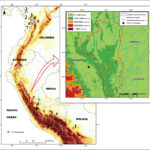
Melanophryniscus orejasmirandai is endemic to a restricted zone within the Atlantic Forest ecoregion, primarily in southeastern Brazil’s mountainous zones. Its habitat ranges through cloud forests with altitudes between 600 and 1100 meters, where humidity typically remains high, and fog frequently shrouds the lush greenery. Such conditions provide a consistent source of moisture essential for the frog’s permeable skin and reproduction cycles.
The Unique Environment of the Cloud Forest#
Picture yourself walking through misty valleys, under towering trees whose canopies intertwine in intricate patterns. Mosses and liverworts cling to every available surface, and the aroma of ripe fruits and decomposing leaves permeates the thick air. Within such hidden realms, the Orejas-Miranda’s redbelly toad dwells inconspicuously among fallen branches, abundant moss, and decaying wood. Ecologically, these microhabitats constitute an incredibly complex network of life, providing shelter, food sources, and crucial moisture reserves vital for amphibians.
Physical Characteristics#
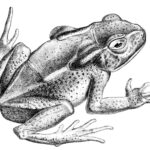
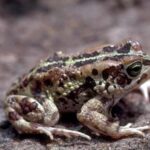
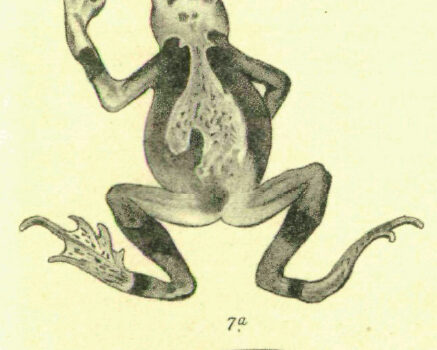
At first glance, M. orejasmirandai is a striking beauty among amphibians. Despite its small stature—rarely exceeding 30 millimeters—it commands immediate attention with vibrant displays of red, orange, black, and yellow colors that serve as a potent warning. Its back is predominantly black; however, vivid blotches of bright scarlet orange punctuate its abdomen and limbs, a visual cue signaling potent toxins stored within its glands.
Interestingly, the species’ skin texture can appear slightly rough and granular, an adaptive feature typical of Bufonidae. Specialized parotoid glands, present just behind the eyes, secrete powerful toxins, enabling these frogs to effectively deter predators through aposematism—a biological tactic wherein conspicuous colors warn of toxic defenses. This evolutionary approach combined with smaller size confers substantial benefits, as predators quickly learn to avoid bright-colored prey—a fascinating case study of co-evolution between predator perception and prey defense strategies.
Behavior and Life Cycle#
Primarily ground-dwelling and crepuscular—active during twilight hours—these tiny amphibians spend much of their life concealed beneath leaf litter or safely tucked within mossy hideaways. Their life cycle revolves around subtle rhythms synchronized by seasonal rainfall and temperature fluctuations. Thus, seasonal rains bring forth an ephemeral flush of activity as these frogs venture forth to breed.
Breeding Rituals and Reproduction#
During breeding times, males quickly establish small territories, calling fervently using distinct trills to advertise their presence to receptive females. These calls, though delicate, echo quietly across their humid forested homes—a gentle melody easily overlooked amid the louder chorus of more conspicuous forest creatures. Females lay gelatinous strings of fertilized eggs beneath leaves, logs, and moist substrate, carefully hidden from potential predation.
After a short incubation period, agile larvae emerge—translucent tadpoles specially adapted to aquatic microhabitats such as small puddles or temporary forest pools. Quickly developing amidst resource-limited environments, these tadpoles exhibit fascinating adaptations—rapid growth, opportunistic diet feeding on algae and organic debris, and a streamlined transformation towards terrestrial adulthood, all completed within mere weeks. Soon after metamorphosis, young adults begin exploring terrestrial habitats, inheriting the brilliant coloration that ensures their continued survival.
Ecological Role#
Like many amphibians, the Orejas-Miranda’s redbelly toad fulfills multiple critical ecological roles within its ecosystem. Firstly, they act as predators beneath the forest understory, consuming ants, termites, small beetles, and other tiny invertebrates, thus regulating insect populations. Concurrently, their larvae help control algal blooms within ephemeral water bodies, maintaining balance between algal growth and nutrient cycling.
Yet, despite their formidable chemical defenses, they themselves constitute valuable prey for specific predators—including certain resistant bird species and snakes capable of tolerating their toxins. Thus, the species plays a critical role through both predation and its place within specific predator-prey interactions, making it an integral thread in the intricate tapestry of life within Atlantic Forest ecosystems.
Threats and Conservation Status#
Unfortunately, M. orejasmirandai is facing a familiar threat narrative among amphibians: their restricted habitat range places them squarely within environmental vulnerability. Habitat destruction through deforestation, urban expansion, agricultural encroachment, and climate change-induced alterations to rainfall patterns all pose serious challenges to habitat integrity and continuity, significantly threatening their populations.
Currently classified as “Data Deficient” by the International Union for the Conservation of Nature (IUCN), this designation emphasizes the urgent need for further research about population numbers, distribution limits, ecological requirements, and specific threats. Amidst growing concerns about amphibian declines worldwide, immediate conservation actions tailored toward habitat preservation, environmental monitoring, and public awareness are essential for safeguarding this remarkable amphibian.
Cultural and Scientific Significance#
The genus Melanophryniscus, to which Orejas-Miranda’s redbelly toad belongs, has attracted particular interest for its chemical secretions. Researchers study the structural properties and mechanisms behind their toxins, often uncovering novel compounds with potential biomedical applications, such as analgesics or antibiotics.
Culturally, these amphibians serve as important biodiversity flagships within their native range—building local pride and awareness toward environmental conservation. By showcasing how even small creatures can hold global significance, the Orejas-Miranda’s redbelly toad becomes a powerful teaching tool in environmental education, highlighting why biodiversity’s complexity matters critically in an ever-changing world.
Conclusion#
At its essence, Melanophryniscus orejasmirandai represents not just an extraordinary amphibian inhabiting cloud forests of South America, but embodies much larger themes about our collective responsibility toward nature conservation, biodiversity protection, and ecosystem preservation. As stewards of our planet, we must advocate for these hidden wonders, ensuring rich discoveries and biodiversity conservation continue flourishing for generations ahead.
Discover more, get involved in conservation, and help safeguard the delicate ecosystems that creatures like the Orejas-Miranda’s redbelly toad call home. Their survival—and ours—depends on our shared awareness and collective action.