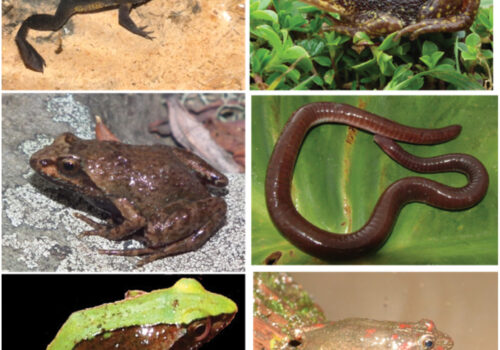
- Meet Melanophryniscus diabolicus: The Surprising World of the Devil Toad of South America
- Taxonomy and Classification: Where Does Melanophryniscus diabolicus Fit?
- Natural Habitat: A Fragile Realm of Grass and Water
- Physical Characteristics: A Jewel Among Toads
- Behavior and Life Cycle: From Tadpole to Tiny Defender
- Ecological Role: Guardians of the Grasslands
- Threats and Conservation Status: Guarding a Vanishing Jewel
- Cultural and Scientific Significance: Small Frog, Profound Impact
- Conclusion: Saving a Precious Demon of the Grasslands
Meet Melanophryniscus diabolicus: The Surprising World of the Devil Toad of South America#
Hidden in the vibrant grasslands and moist ecosystems of Brazil lurks a small amphibian with a name as captivating as its vivid appearance—the Devil Toad, scientifically known as Melanophryniscus diabolicus. This remarkable creature’s menacing moniker springs from its striking crimson-black coloration and potent toxins. But beyond its devilishly dramatic facade, the “devil” toad reveals startling biological secrets, unique behaviors, and important ecological roles that captivate biologists and nature enthusiasts alike.
Although diminutive—reaching barely an inch in length—the discovery of Melanophryniscus diabolicus was met with great excitement in the scientific community due to its distinctive traits and vulnerable status. Join me on a journey deep into the natural world of this fascinating amphibian as we unveil the story and secrets behind Brazil’s elusive Devil Toad.
Taxonomy and Classification: Where Does Melanophryniscus diabolicus Fit?#
The amphibian world is brimming with diversity, and understanding our “devilish friend” starts with taxonomy. Melanophryniscus diabolicus belongs to the Bufonidae family—a large group commonly known as true toads. More specifically, it is part of the genus Melanophryniscus, known collectively as South American redbelly toads, a group celebrated for their vibrant coloration and potent toxins.
First formally described in 2010 by a dedicated group of herpetologists in Brazil, this species earned its evocative scientific name from its distinctive appearance: “diabolicus,” meaning “devilish” or “diabolical,” hinting elegantly at its crimson-black coloration and robust toxic defenses. Closely related to other brightly colored members of its genus, such as Melanophryniscus admirabilis and the vibrant Melanophryniscus stelzneri, its rich genetic lineage narrates a fascinating evolutionary history of vivid warning coloration evolving alongside effective predator deterrents.
Natural Habitat: A Fragile Realm of Grass and Water#
The Devil Toad’s known habitat, restricted and vulnerable, is primarily confined to the protected highland grasslands and riparian areas of southern Brazil. Specifically, this rare amphibian thrives within the southern reaches of the Atlantic Forest biome, a biodiversity hotspot that echoes with the buzz of life—a place of lush vegetation, secretive streams, and mist-filled air fostering unparalleled amphibian diversity.
Sustained by Grasslands and Clear Streams#
Unlike many rainforest tree frogs, Melanophryniscus diabolicus depends on cooler, open grassy landscapes combined with shallow, slow-moving streams. During the rainy summers, temporary pools become breeding and nursery grounds, providing crucial aquatic environments for tadpole development. Their impeccable adaptation to these conditions highlights the delicate balance between terrestrial and freshwater habitats that forms the fabric of their existence.
In these sweet-smelling grasslands, freshly damp after rainfall, the distinctive melodies of frog calls fill the twilight—a gentle symphony declaring territories and inviting mates, adding an acoustic dimension to their precious ecosystem.
Physical Characteristics: A Jewel Among Toads#
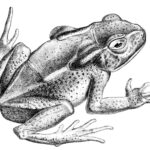
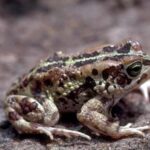
At first glance, the Devil Toad’s bold coloring immediately demands attention. Yet it is not size that makes them notable, given their adults rarely exceed just 25 millimeters—less than an inch. Rather, it’s their spectacular, warning colorations, known as aposematism, that establish their memorable identity.
Colors that Warn of Hidden Danger#
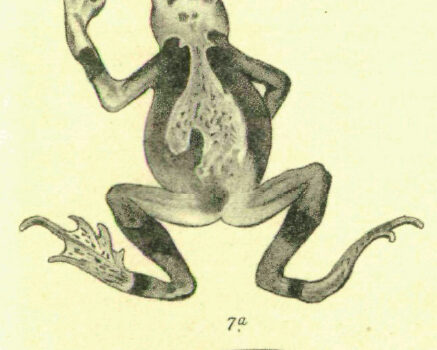
The toad’s velvety black dorsum contrasts starkly against vibrant scarlet and orange hues dominating its limbs and underside, a palette silently screaming to predators, “Beware!” Such brilliant coloration serves as an iconic example of aposematic signaling, warning potential predators—often birds, snakes, or mammals—that this small morsel carries potent alkaloid toxins garnered from the insects it consumes.
This chemical defense, primarily found in the skin’s granular glands, offers robust protection. The more striking and intense their color patterns, the clearer their warning—and the better their chances of survival. The Devil Toad’s distinctive beauty, tied intricately to its survival strategy, makes it exceptionally charismatic among amphibians.
Behavior and Life Cycle: From Tadpole to Tiny Defender#
Observing the lively behaviors of Melanophryniscus diabolicus is a privilege reserved for patient, respectful observers. Despite their small stature, these toads display fascinating patterns of social and reproductive behaviors structured around the rhythms of their ecological calendar.
Feasting on the Smallest Creatures#
This small toad’s diet mostly comprises tiny insects and arthropods, including ants, mites, springtails, and occasionally small beetles. Their hunting approach is methodical—carefully stalking and rapidly flicking a sticky tongue to capture prey. Ecologists believe the specific insects consumed contribute toxins that the toad integrates into its skin defenses—a fascinating and effective evolutionary chemistry.
Courtship and Breeding: A Rain-Inspired Romance#
Reproduction for Melanophryniscus diabolicus is closely timed with seasonal rains. Males emerge immediately after heavy downpours, vocalizing enthusiastically to attract females. These gentle, melodic calls resonate softly through the moist grasslands, signaling the start of a new generation. Once paired, females swiftly deposit gelatinous strands of eggs into shallow pools. These temporary aquatic habitats offer vital safety for developing tadpoles, protected from most aquatic predators and competitors.
The eggs hatch into tadpoles quickly, maturing rapidly to escape drying pools. Interestingly, Devil Toad tadpoles exhibit unique behaviors, grazing on algae and microorganisms from submerged plants and detritus. Within weeks, these larvae grow, transforming gradually into the miniature replicas of adult toads—instantly recognizable by their dramatic coloration.
Ecological Role: Guardians of the Grasslands#
Despite their modest size, Melanophryniscus diabolicus play an invaluable role maintaining balance in their ecosystems. As insectivorous amphibians, these toads help regulate invertebrate populations, indirectly contributing to plant health and biodiversity. Simultaneously, they form part of intricate food webs, wherein their toxins generate caution among predators. Even in death, these diminutive toads nourish important decomposers and detritivores, completing the vital nutrient cycles essential to ecosystem health.
Moreover, as amphibians uniquely sensitive to environmental conditions, Melanophryniscus acts as a critical indicator species. Fluctuations in populations often signal deeper environmental shifts—early warnings scientists carefully heed as signs of ecosystem health.
Threats and Conservation Status: Guarding a Vanishing Jewel#
Melanophryniscus diabolicus confronts a tenuous future. Currently classified as “Endangered” by the International Union for Conservation of Nature (IUCN), their populations face severe threats. Habitat destruction, largely for agriculture, urbanization, and infrastructure development, drastically reduces their already limited range. Equally concerning, water contamination from pesticides and pollutants renders breeding pools uninhabitable, critically undermining successful reproduction.
Climate change poses further threats, altering seasonal rainfall patterns that drive breeding cycles. Stressors compound, resulting in alarming population declines. Fortunately, dedicated conservation efforts, including habitat protection, environmental education, and scientific research, shine hopeful rays of progress towards securing this frogs’ uncertain future.
Cultural and Scientific Significance: Small Frog, Profound Impact#
While culturally the Devil Toad lacks widespread attention familiar to charismatic megafauna, among herpetologists and conservationists it represents a potent symbol for biodiversity conservation. Scientifically, the biochemical compounds woven into their skin excite chemists and pharmacologists alike, holding potential for important medicinal applications yet to be explored thoroughly.
Conclusion: Saving a Precious Demon of the Grasslands#
The captivating Melanophryniscus diabolicus demonstrates vividly how small wildlife holds immense ecological, scientific, and cultural value. As we navigate environmental threats, it reminds us the survival of even the smallest creatures matters profoundly for our shared planetary future. Engaging with conservation, supporting habitat protection, and spreading awareness allows each of us to take part in preserving the story of this remarkable amphibian species.
Let us celebrate and protect the “devil” toad’s unique existence, ensuring that future generations too may marvel at this spectacular jewel alive in nature’s crown.