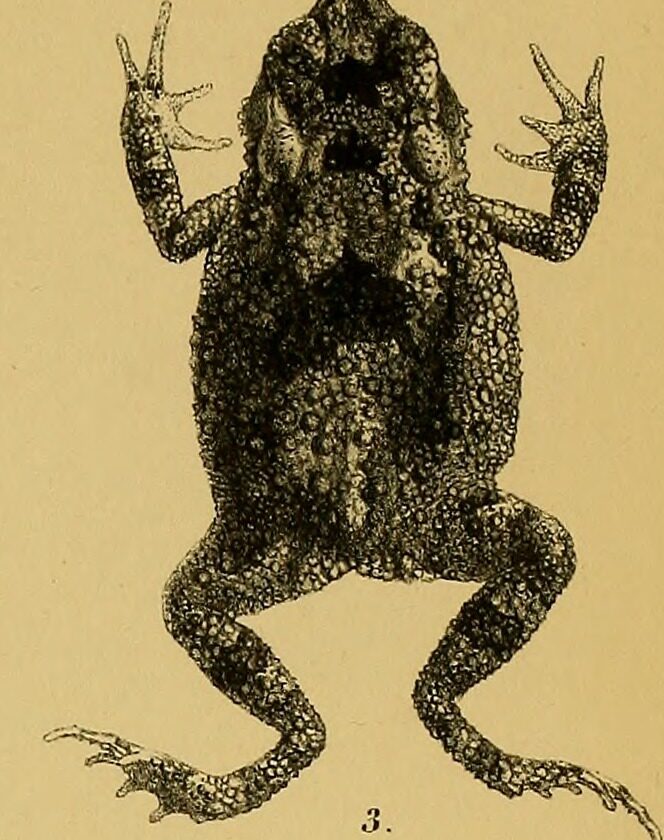
- Ingerophrynus macrotis: The Hidden Wonders of the Big-eared Toad
- Taxonomy and Classification: Understanding Its Place
- The Natural Habitat: Where the Big-eared Toad Thrives
- A Closer Look: Physical Characteristics and Adaptations
- Life Cycle and Intriguing Behavior Patterns
- The Big-eared Toad’s Role Within Its Ecosystem
- Threats, Conservation Status, and Protective Efforts
- Cultural and Scientific Significance: Understanding Human Connections
- Conclusion: Championing the Quiet Heroes of Our Forests
Ingerophrynus macrotis: The Hidden Wonders of the Big-eared Toad#
As dusk gently blankets the lush rainforests of Southeast Asia, a series of soft, musical notes emerges from the understory. These soothing melodies, resonating through the evening air, belong not to birds but to a humble yet captivating amphibian—the Big-eared Toad, scientifically known as Ingerophrynus macrotis. Despite its modest appearance, this fascinating species plays an integral role in its ecosystem, embodying countless evolutionary marvels designed specifically for its unique lifestyle.
Often overlooked in favor of more visually vibrant amphibians, the quiet charm of Ingerophrynus macrotis lies in its subtle beauty, distinctive behaviors, and intricate interactions within its diverse habitats. A skilled predator and vital prey item, a resilient survivor yet vulnerable indicator species, this humble amphibian holds many secrets that illuminate the incredible complexity and balance in nature’s tapestry.
Taxonomy and Classification: Understanding Its Place#
The Big-eared Toad, classified scientifically as Ingerophrynus macrotis, belongs to the Bufonidae family, commonly known as true toads. True toads share certain hallmark features such as warty skin, prominent parotoid glands, and a more terrestrial preference compared to streamlined, aquatic frogs. Initially described in the genus Bufo, modern taxonomy refined its classification, assigning it to the genus Ingerophrynus based on morphological characteristics and genetic analyses.
Within the genus Ingerophrynus, the species finds close kinship among other Asian toads, distinguished by subtle anatomical variations and ecological niches. Understanding the nuances of its classification not only informs conservation planning but fosters a deeper appreciation of biological diversity and evolutionary refinement within amphibians.
The Natural Habitat: Where the Big-eared Toad Thrives#
Ingerophrynus macrotis finds its home across several Southeast Asian regions, including Peninsular Malaysia, Thailand, Borneo (Kalimantan, Sarawak, Sabah, and Brunei), and parts of Sumatra. Here, it seeks shelter within the plentiful, humid embrace of tropical lowland and montane forests, typically close to gentle streams or moist leaf litter on the forest floor.
This species favors the damp, shaded undergrowth—a place rich in invertebrate prey and safely concealed from predators. The forest floor, covered with layers of fallen leaves, rotting logs, and thick ground vegetation, provides countless ambush spots and shelter from the eyes of nocturnal predators such as snakes and birds. With its terrestrial lifestyle deeply ingrained, the Big-eared Toad exemplifies a delicate yet resilient specialist of forest ecosystems, exhibiting a remarkable adaptation to a narrow habitat niche.
The Vital Connection to Environmental Health#
Due to its reliance on steady humidity and ample freshwater sources, the prevalence—or absence—of Ingerophrynus macrotis indicates forest health, acting as an ecological barometer alerting biologists to subtle shifts in habitat quality. Measuring the stability and abundance of its populations provides critical insights into larger climatic and ecological changes within tropical regions, reflecting the integrity of broader amphibian-rich habitats worldwide.
A Closer Look: Physical Characteristics and Adaptations#
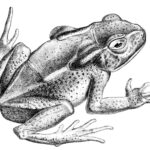
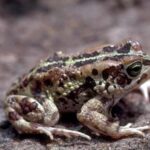
Though easily overlooked by casual observers, Ingerophrynus macrotis presents distinctive characteristics that reward close inspection. On average, adults reach approximately 50 to 80 millimeters in length, with comparatively modest sexual dimorphism; females tend to be slightly larger than males. True to its name, one of its more distinguishing features is the relatively large, pronounced tympanum (ear membrane) behind prominent eyes, lending the toad the affectionate moniker “Big-eared.”
Its skin, covered in small, roughened bumps, varies in hues of earthy browns, greens, and greys, cleverly blending into mossy logs, fallen leaves, and moist soil. This innate camouflage helps the toad evade predation during daytime hours spent cautiously hidden. Another distinctive feature includes enlarged parotoid glands situated just behind each eye, secreting mildly toxic substances to deter potential predators from consumption. These defensive attributes highlight elegant evolutionary strategies developed through millions of years, helping this humble creature triumph amid numerous threats in its resource-rich but competitive ecosystem.
Life Cycle and Intriguing Behavior Patterns#
Having adapted marvelously to their terrestrial lifestyles, Big-eared Toads showcase varied and captivating behaviors centered around survival, reproduction, and adaptability to seasonal rainforest rhythms. After sunset, adults embark on nightly foraging journeys beneath dense vegetation and across the moist forest floor, consuming a variety of insects, arachnids, and other arthropods. Employing a combination of stealth, ambush, and an incredibly accurate, lightning-swift tongue, they effortlessly subdue their prey, reflecting significant specialization as nocturnal hunters.
A Symphony in the Dark: Breeding Behavior#
The annual arrival of the rainy season sparks the chorus of male Big-eared Toads, gathering near slow-flowing streams, shallow pools, and lakes. Each evening, the resonant calls permeate through dense foliage, marking territories and attracting receptive females. Guided by acoustic cues and innate biological compasses, females select mates whose vocalizations signal strength, health, and genetic fitness.
Remarkably, these elaborate vocal cues not only attract mates but deter rival males—the rainforest becomes an intricate acoustic arena of contest and negotiation, with only the strongest voices prevailing.
Tadpole Transformation: From Water to Forest Floor#
Females deposit hundreds to thousands of eggs in aquatic habitats, where they adhere in long, dark strands intertwined amidst submerged vegetation. Within days, these eggs yield small, herbivorous tadpoles adapted to life underwater, feeding primarily upon algae and microscopic plant matter. Undergoing rapid growth and remarkable morphological transformation, soon legs sprout, tails recede, lungs develop—and an aquatic tadpole metamorphoses into a perfectly adjusted terrestrial toadlet, embarking upon an entirely new chapter of terrestrial existence.
The Big-eared Toad’s Role Within Its Ecosystem#
Despite its modest profile, the Big-eared Toad carries outsized ecological significance. By consuming immense numbers of insects and invertebrates well-developed in rainforest habitats, it regulates certain species populations, thereby influencing entire trophic networks. Simultaneously, as prey for larger predators—including snakes, birds, mammals—the species provides critical nourishment, completing the delicate web of rainforest entities interconnected through predator-prey dynamics.
Moreover, as sensitive bioindicators, declining or shifting populations provide early warnings of potential ecological disruptions, highlighting impending issues such as pollution, disease outbreaks, climate alterations, and extensive habitat destruction. Ensuring their population stability indirectly safeguards the health and sustainability of many ecosystems functioning seamlessly around them.
Threats, Conservation Status, and Protective Efforts#
Currently evaluated as “Least Concern” by the IUCN Red List, Ingerophrynus macrotis benefits from relatively wide distribution and access to protected reserves in multiple nations. Nevertheless, their resilience faces ongoing pressures from rapid deforestation driven by logging, agriculture, urban expansion, pollution, pesticide use, and the threat of climate variability altering rainfall patterns critical to their reproduction.
Scientists, conservationists, and local communities actively strive for informed conservation efforts involving habitat preservation, ecological education, and sustainable environmental practices. Continued ecological monitoring, biological research, and proactive protection measures remain necessary to uphold these admirable indicators of forest health and biodiversity.
Cultural and Scientific Significance: Understanding Human Connections#
While not typically central to traditional folklore, the Big-eared Toad features indirectly in local cultures as representative of healthy ecosystems and biodiversity. Biologically significant compounds isolated from toad secretions have historically informed pharmaceutical research, highlighting a direct link between amphibians and human medicinal discoveries shaping ongoing scientific exploration.
Conclusion: Championing the Quiet Heroes of Our Forests#
Indeed, while the Big-eared Toad largely escapes public attention, deeper examination reveals an amphibian both fascinating and essential. Lessons derived from studying this unique species enrich our understanding of complex ecosystems and highlight interconnections binding humans to nature.
By supporting conservation efforts aimed at protecting Ingerophrynus macrotis and its habitats, each reader cultivates profound stewardship toward tropical rainforests and biodiversity as a whole. Celebrate the humble charm and ecological importance of Big-eared Toads, and join the global effort to secure an enduring space within nature’s harmonious balance.