Ingerophrynus biporcatus: The Fascinating World of the Crested Toad#
Deep within the mist-swept forests of Southeast Asia, nestled quietly among leaf litter and echoing with the chorus of insects, lives an intriguingly charming amphibian—the Crested Toad, scientifically known as Ingerophrynus biporcatus. This unique amphibian, adorned with distinctive ridges and crests, might easily escape notice among larger, flashier forest inhabitants, yet its fascinating biology and ecological importance make it a true treasure within its natural territory.
Perhaps what first captures the observer’s attention about this remarkable species are the twin ridges resembling small horns that grace its head, lending the toad its epithet “biporcatus,” meaning “bearing two ridges.” Such distinctive features not only fascinate naturalists but also serve practical roles in survival, mating, and defense within the dynamic tapestry of tropical ecosystems.
Taxonomy and Classification#
The Crested Toad, scientifically known as Ingerophrynus biporcatus, belongs to the family Bufonidae, a family renowned for their sturdy bodies and toxin-producing glands. This family, often commonly identified by the robust and hardy forms, includes global icons such as the well-known American toad or Europe’s common toad.
Within its own genus, Ingerophrynus, the Crested Toad shares lineage with other toads inhabiting broadly similar ecosystems across Southeast Asia. This genus, distinguished by specific adaptations in morphology, distribution, and behavior, reflects the evolutionary ingenuity that enables amphibians to thrive in competing environmental conditions.
Natural Habitat#
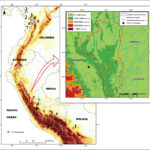
Ingerophrynus biporcatus is predominantly a creature of tropical rainforests, preferring the humid shadows beneath towering hardwoods where dappled sunlight barely reaches the forest floor. The species spans across vast regions, occurring prominently in Peninsular Malaysia, Sumatra, Java, Borneo, Thailand, and parts of neighboring Southeast Asian territories.
The Forest Floor: A Sanctuary and Home#
Beneath a rich canopy teeming with avian songs and the vibrant fluttering of butterflies, lies the preferred domain of the Crested Toad. These creatures most frequently dwell in areas where the fallen foliage carpets moist, fertile earth, creating the ideal microhabitat filled with countless opportunities for feeding and security. Here, amidst layers of decomposing vegetation, softly illuminated by filtered sunlight, the toad finds shelter, camouflage, and an abundant food supply.
They are occasionally spotted near slow-moving streams, ephemeral pools, and forest puddles. Such habitats offer the moisture necessary for amphibian survival, facilitating breeding and supporting thriving tadpole populations. The unique hydrological regimes of their habitat, characterized by both rainy and dry seasons, shape their activity patterns and lifecycle rhythms.
Physical Characteristics#
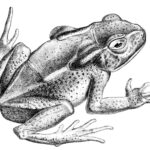
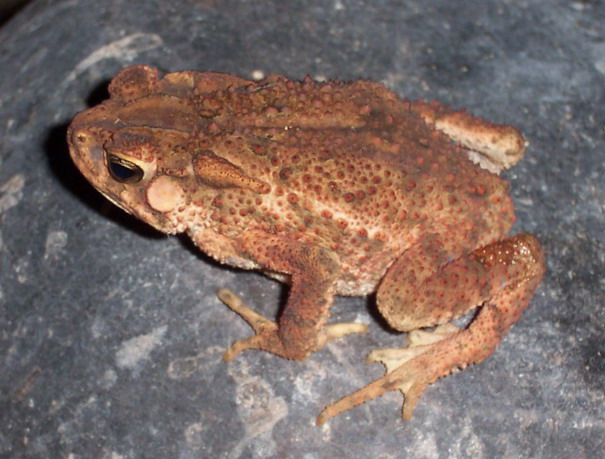
The Crested Toad, as its common name suggests, possesses some truly striking physical features. Adult individuals commonly measure around 4 to 6 inches in length, with a body characterized by a robust build, sturdy limbs, and a particularly distinctive head.
Uniquely Shaped Crests and Ridges#
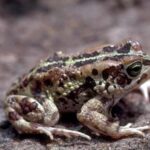
The hallmark of the Crested Toad lies within the paired ridges or “crests” that run along the head. These ridges, clearly visible and neatly aligned parallel to each other from between the eyes, give the creature its distinctive silhouette. But these features are far more than mere aesthetic quirks—they function effectively in species recognition, intimidation of potential rivals, and possibly even as defense mechanisms.
Color Patterns for Camouflage and Survival#
Coloration among individuals primarily encompasses earthy tones—ranging from warm browns and olives to murky grays—with occasional darker markings scattered irregularly. This cryptic coloration perfectly mimics decaying leaves, bark, and soil, allowing the Crested Toad to remain hidden from predators and prey alike. Beneath the dappled twilight of their rainforest habitat, spotting one often requires sharp eyesight and patient observation. It is precisely this adaptive blending that grants them security amidst the dense undergrowth.
The granular skin features numerous warts and glands, many of which excrete bitter toxins capable of deterring predators. While not dangerously toxic to humans, these defensive capabilities safeguard the toads from predators ranging from lurking water snakes to inquisitive mammals.
Behavior and Life Cycle#
The daily life of Ingerophrynus biporcatus unfolds largely during dawn, dusk, and nocturnal hours. As darkness blankets the forest, these stealthy amphibians venture forth from seclusion, ready to pursue their pivotal role within the ecosystem.
Masters of Stealth and Hunters at Dusk#
Diet largely consists of a variety of insects, spiders, centipedes, and other small terrestrial invertebrates. Equipped with a sticky tongue and acute reflexes, the Crested Toad ambushes prey items with patient precision, striking swiftly at the opportune moment. Its keen eyesight and sensitive fingertips allow it to detect subtle movements in leaf litter—alerting it to prey hidden amidst shadows.
Mating Calls and Breeding Rituals#
Breeding typically coincides with the arrival of heavy tropical rains, a natural phenomenon ushering abundance and renewal to rainforest dwellers. During these bouts of intense precipitation, males congregate around convenient water bodies, emitting resonant, rhythmic calls. The melodic chorus, filled with a mysterious allure, not only attracts attentive females but also establishes dominance among competing males.
Upon successful pairing, the female deposits gelatinous strands of eggs into water. The tadpoles that emerge from these eggs undergo a discrete yet remarkable transformation—from swimming larvae with tiny tails and delicate gills into resilient amphibians ready to take their place alongside adults on land.
Ecological Role#
The Crested Toad occupies an important niche within rainforest ecosystems. As proficient insectivores, they undoubtedly play a central role in regulating the abundance of invertebrate populations, keeping ecological balance.
These toads also serve as essential prey items for a multitude of predators. Birds of prey, snakes, and small mammals readily pursue them, making them vital components linking multiple trophic levels in their ecosystem. Moreover, their sensitivity to environmental conditions serves as a reliable biological indicator. Changes affecting their populations can reflect larger alterations in habitat health, thus alerting conservationists to potential ecological imbalances.
Threats and Conservation Status#
Like many amphibian species inhabiting biodiverse rainforests, the Crested Toad faces several pressing threats, chief among them habitat loss due to relentless deforestation. Agricultural expansion, infrastructure development, and logging activities increasingly fragment their natural territories, diminishing available resources and restricting population movement.
Furthermore, rising temperatures and erratic rainfall patterns induced by climate change may threaten breeding cycles and survival opportunities. Amphibians’ particular sensitivity, given their reliance on both terrestrial and aquatic habitats, makes them especially vulnerable to climate instability.
Despite these challenges, population numbers for Ingerophrynus biporcatus currently keep its status classified as Least Concern (LC) by the IUCN Red List. However, continued vigilance and conservation action remain critically necessary to ensure these unique toads persist amidst expanding environmental threats.
Cultural and Scientific Significance#
In parts of Southeast Asia, certain toad species occasionally feature in indigenous folklore and cultural beliefs, embodying traits such as resilience or renewal due to their remarkable lifecycle and adaptability. While Ingerophrynus biporcatus itself might not be extensively highlighted culturally, its presence contributes profoundly to the overall biodiversity essential for healthy ecosystems cherished by local communities and conservationists alike.
From a scientific perspective, every amphibian species, including the Crested Toad, contributes uniquely to our understanding of biodiversity, evolution, and ecology. Their toxins and biochemical defense mechanisms offer intriguing prospects for biomedical research, potentially leading to novel therapeutics. Moreover, studying the Crested Toad’s resilience shapes our insights into mitigating threats faced by the larger amphibian community.
Conclusion#
The humble Crested Toad, Ingerophrynus biporcatus, symbolizes the rich biodiversity of Southeast Asian rainforests. Through an intricate blend of evolutionary adaptations, ecological interconnectedness, and inherent biological uniqueness, it reminds us poignantly of the intricate beauty and delicate balance our natural world holds.
Ensuring its continued survival hinges upon committed conservation efforts, proactive habitat preservation, and greater public awareness. As nature enthusiasts, conservation advocates, and appreciators of biodiverse life, we must continuously champion such remarkable species—each deserving its rightful place within the vast, vibrant tapestry of life on Earth.