Incilius tutelarius: The Fascinating Guardian of Mexico’s Cloud Forests#
Hidden beneath the misty veil of the mountainous cloud forests of Mexico dwells a little-known amphibian with a story as captivating as its environment—the Incilius tutelarius. Commonly called the “Chimalapas Toad,” this elusive species emits a low, resonant trill amid twilight, echoing through ancient trees lush with ferns and epiphytes. While amphibians often evoke imagery of vibrant tropical frogs, Incilius tutelarius embodies a very different, subtler charm.
Scientifically recognized by its Latin name Incilius tutelarius, this frog belongs to the diverse family Bufonidae and has evolved distinct adaptations specifically attuned to its unique, high-altitude habitat. Its presence is not just an indication of a healthy ecosystem, but also tells a compelling tale of ecological interconnectedness, adaptation, and conservation.
Did you know that the occurrence and health of Incilius tutelarius populations can serve as metaphorical alarm bells for environmental changes? Sensitive to fluctuations in humidity and temperature, these amphibians play an essential role as bioindicators, signaling the well-being of the fragile cloud forest ecosystems they inhabit.
Taxonomy and Classification#
Incilius tutelarius exists snugly within the taxonomic hierarchy of the amphibian world. Classified within the family Bufonidae, commonly known as “true toads,” it shares its genus Incilius with numerous other Central and North American toads renowned for their adaptation to diverse environments from arid deserts to humid rainforests.
Originally described scientifically in 1932 by esteemed herpetologist Edward Harrison Taylor, this remarkable toad was earlier assigned to the broader genus Bufo. However, modern genetic and morphological research has since refined our understanding, leading to the categorization within Incilius, reflecting its distinct evolutionary lineage. Close relatives include species like Incilius valliceps and Incilius occidentalis, yet Incilius tutelarius stands uniquely adapted to its specialized mountainous habitat, setting it apart through characteristics and behaviors uniquely suited to its high-altitude cloud forest lifestyle.
Natural Habitat#
Geographic Range and Distribution#
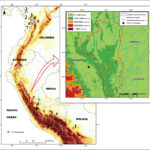
Incilius tutelarius predominantly inhabits the mystical mountain cloud forests in Oaxaca, Mexico, specifically the Sierra de Chimalapas region, a biodiversity hotspot of global significance. This region, characterized by steep slopes, perpetual cloud cover, and dense, moisture-laden vegetation, forms a critical habitat where temperature fluctuations can be extreme. However, the dense foliage and persistent mists maintain microclimates perfectly adjusted for specialized amphibians like Incilius tutelarius.
Specific Habitat Preferences#
Unlike many amphibians that occupy lower terrestrial or aquatic niches, the Chimalapas Toad primarily lives close to the forest floor yet near small streams and rippling pools of fresh water. It tends to select areas blanketed with decaying leaf litter, moss-covered logs, and dense understory plants. These moist, humid microhabitats provide essential protection against dehydration while offering an abundant food source in the form of insect prey.
The constant moisture, frequent fog, and temperate climate create the ideal setting not only for feeding and sheltering but also for breeding purposes. During the rainy season, the amphibian’s subtle chorus fills the forested hillsides as males seek to attract females eager to lay their gelatinous egg masses near protected aquatic habitats found on forest floors.
Physical Characteristics#
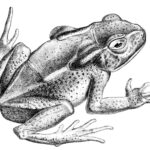
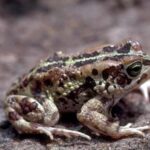
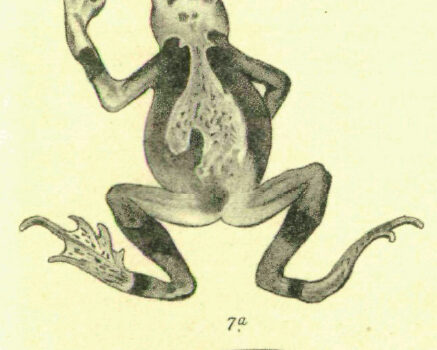
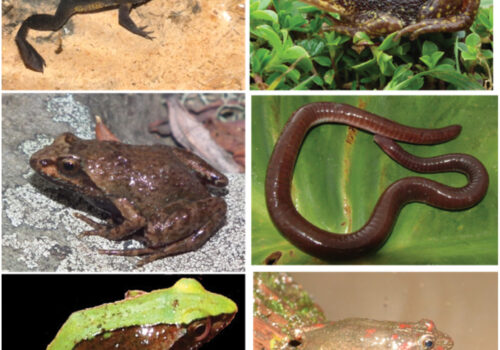
Incilius tutelarius, though modest in coloration, possesses a subtle beauty crucial for its survival. Adults generally measure from 40 to 70 millimeters, making them medium-sized toads. Their robust and stocky bodies with slightly bumpy, wart-covered skin may first appear unremarkable to the casual observer, yet this outward simplicity hides remarkable evolutionary adaptations.
Coloration in Incilius tutelarius varies through shades of dark to medium browns, olive hues, and occasionally dark grays, often complemented by subtle markings or patches enabling almost perfect camouflage among leaf litter and forest soils. This cryptic coloration effectively conceals them from predators, allowing them stealth in both hunting and avoiding potential threats.
One of their characteristic traits includes well-developed parotoid glands, clearly noticeable as swollen areas located behind their eyes. These glands produce toxins vital in thwarting predators, granting them a critical defense mechanism against threats within their ecosystem. Their hind limbs, powerfully muscular and adapted for short hops, help them navigate the uneven forest terrain efficiently.
Behavior and Life Cycle#
Feeding and Predation#
As twilight descends upon the cloud forests, the usually silent underbrush comes alive with activity. Incilius tutelarius emerges from daytime hiding spots beneath woody debris or leaf layers to begin nightly hunts. With a diet primarily composed of ants, termites, small beetles, and other invertebrates abundant in their habitat, these amphibians employ a sit-and-wait hunting strategy, relying on stealth, patience, and a remarkably accurate tongue for prey capture.
Breeding Behaviors#
Reproduction in Incilius tutelarius coincides beautifully with the annual rainy season. Male toads congregate around shallow forest pools at the first sign of consistent rains, engaging in soft choruses to attract females. These gentle calls, resonating harmoniously through the humid air of the forest, provide an enchanting moment often witnessed only by dedicated field observers.
Females lay clusters of eggs within shaded, tranquil waters, adhering to submerged vegetation or the roots of plants to protect the developing embryos. Tadpoles hatch after several days, quickly adapting to the freshwater pools’ microhabitat rich with detritus that fuels their rapid development. Tadpole development culminates in metamorphosis several weeks later, after which tiny juveniles disperse within nearby vegetation, ready to embrace fully terrestrial lifestyles in their rich forested environment.
Ecological Role#
Every organism, no matter its size or prominence, holds a crucial place within nature’s orchestration—and Incilius tutelarius is no exception. Acting as both predator and prey, this unique toad contributes significantly to balancing insect populations—helping maintain equilibrium among various insects and spiders in the delicate understory ecosystems.
As prey, their presence supports biodiversity higher up the food chain, providing crucial sustenance for local snakes, birds, and mammals. Simultaneously, their sensitivity to changes in environmental quality makes them a vital indicator species, essential to monitoring ongoing ecosystem health, climate shifts, and habitat changes across the cloud forest region they call home.
Threats and Conservation Status#
Despite its remote habitat setting, Incilius tutelarius faces several pressing threats. Habitat fragmentation and deforestation resulting from agriculture expansion, cattle ranching, and logging represent primary dangers to delicate cloud forest ecosystems. Climate change introduces further stresses—variations in precipitation patterns and rising temperatures present potentially lethal alterations to their precise habitat preferences.
Though current population trend data remain insufficient for extensive conservation assessment, Incilius tutelarius merits attention due to ongoing habitat declines. Currently the International Union for Conservation of Nature (IUCN) classifies this species as “Data Deficient,” highlighting the necessity for further studies to inform effective, targeted conservation strategies.
Supported primarily by localized research efforts, conservationists advocate habitat protection measures within the Sierra de Chimalapas region, community engagement, sustainable land management practices, and increased scientific monitoring initiatives which are crucial for safeguarding the future of these unique amphibians.
Cultural and Scientific Significance#
Amphibians like Incilius tutelarius have provided innumerable insights into ecology, evolutionary biology, and environmental science. Scientists studying these specialized creatures gain valuable indicators about climate health, long-term ecosystem stability, and evolutionary adaptations. While lesser-known in popular culture than flamboyant tropical amphibians, Incilius tutelarius symbolizes nature’s quieter, subtler wonders, deserving equal appreciation and active conservation awareness.
Though local indigenous communities have limited traditional beliefs specifically revolving around this particular species, the region’s inhabitants deeply respect and broadly value the overall biodiversity of their ancestral forests. Engagement strategies now increasingly involve local communities in conservation initiatives, emphasizing shared cultural and scientific value in protecting stunningly biodiverse environments like those housing Incilius tutelarius.
Conclusion#
The understated charm of the Incilius tutelarius, a small yet important guardian of Mexico’s cloud forests, signals to us the immense hidden beauty in natural ecosystems. Understanding and valuing amphibians like this is crucial for nurturing biodiversity, protecting fragile habitats, and informing our responses to broader ecological challenges.
Join in advocacy and support conservation efforts. Whether participating in local initiatives, spreading awareness, or simply educating yourself further, connect deeply with our planetary heritage and help ensure that fascinating amphibians like Incilius tutelarius thrive for generations to come.