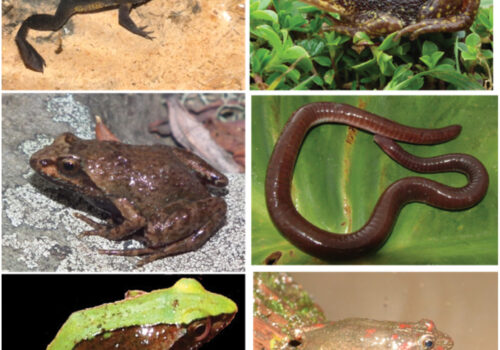
- Introduction: The Secret Lives Among the Clouds
- Taxonomy and Classification: Understanding Its Place in Nature
- Natural Habitat: Realm of Mist and Mystery
- Physical Characteristics: Adaptations Born of Eternal Mist
- Behavior and Life Cycle: Quiet Secrets of Survival
- Ecological Role: A Delicate Balance in the Forest Ecosystem
- Threats and Conservation Status: Cloud Forests Under Siege
- Cultural and Scientific Significance: Insights from Tacaná's Misty Gem
- Conclusion: Preserving the Secretive Guardian of the Clouds
Introduction: The Secret Lives Among the Clouds#
Hidden within the lush, humid embrace of Central America’s cloud forests, a remarkable amphibian thrives unseen and largely unknown by the outside world. Meet the Tacaná Toad (Incilius tacanensis), a creature adapted to life amid swirling mist and endless greenery, whose quiet existence holds fascinating secrets and critical ecological significance.
Named for its original discovery near the towering Volcán Tacaná between Chiapas, Mexico, and Guatemala’s western highlands, Incilius tacanensis occupies an extraordinary habitat. While toads often conjure images of dry, rough-skinned amphibians, the Tacaná Toad defies stereotypes, favoring moist forests perched high upon misty mountain slopes. Though small and relatively obscure, the life of this elusive toad reveals vital truths about biodiversity, adaptation, and conservation.
Taxonomy and Classification: Understanding Its Place in Nature#
Incilius tacanensis is a member of the Bufonidae family, a group familiar to many as “true toads.” Within that family, it belongs to the diverse and fascinating genus Incilius, a North and Central American group of species notable for their diversity in form, toxin composition, and behavior.
First described scientifically in 1952 as Bufo tacanensis, its placement was re-evaluated as taxonomic understanding deepened. In recent revisions, it has found its niche firmly within Incilius, a genus recognized for their distinct evolutionary trajectory and ecological adaptations. Although similar in appearance to close relatives such as Incilius occidentalis, subtle morphological and genetic distinctions confirm tacanensis as a unique and separate species worthy of recognition and study.
Natural Habitat: Realm of Mist and Mystery#
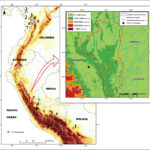
Incilius tacanensis harbors a distinct preference for the pristine cloud forests of southern Mexico (Chiapas) and western Guatemala, habitats characterized by elevation ranging from approximately 1,500 to 3,000 meters above sea level. Cloud forests offer a remarkably specialized environment—cool temperatures, frequent mist, abundant rainfall, and a lush canopy that forms a dense shield above the forest floor, creating near-perpetual twilight below.
In this shady underworld, the Tacaná Toad thrives among thick layers of leaf litter, moss-covered tree roots, and moisture-rich soils crisscrossed by trickling streams. It is a habitat alive with constant moisture, shaping every aspect of this amphibian’s biology—from its reproductive strategy to skin physiology. The fog-laden microclimates not only protect the toad from dehydration but also provide ample prey in the form of small insects, arachnids, and other invertebrates that flourish within such dampness.
The Tacaná Toad’s preference for pristine, densely vegetated forests makes it a sensitive bio-indicator of habitat health. Its presence suggests a well-functioning ecosystem, rich in biodiversity, while its absence may serve as a stark warning of habitat degradation.
Physical Characteristics: Adaptations Born of Eternal Mist#
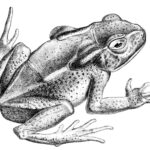
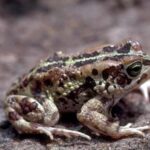
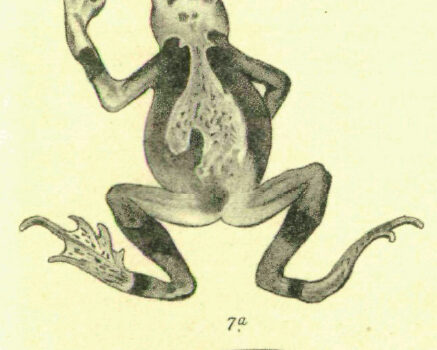
Incilius tacanensis is a modestly sized amphibian, typically measuring between 40 and 60 millimeters in adult length. Its coloration is subtly beautiful—a tapestry of earth tones ranging from pale browns and mossy greens to darker, mottled patterns which resemble the mottled shadows and sunlight filtered through dense foliage.
Its skin bears the hallmark textured appearance typical of toads—dry-looking, warty, yet highly permeable and functional in moisture absorption. Prominent glands located behind the eyes (parotoid glands) slowly secrete alkaloid toxins as defense mechanisms against potential predators. Despite these deterrents, its inconspicuous coloration and lumpish shape provide its primary protection, expertly camouflaging it among leaf litter and forest floor debris.
Adaptation extends not only to color and form but also to physiology: a reduced reliance on standing water for survival and reproduction further attests to its remarkable specialization. Efficient water absorption through moist soil and leaves helps maintain hydration, crucial for amphibians whose permeable skins make them vulnerable to drying conditions.
Behavior and Life Cycle: Quiet Secrets of Survival#
Feeding and Foraging: Ambush Predators of the Forest Floor#
Primarily nocturnal, Incilius tacanensis emerges at dusk from concealed daytime refuges beneath logs, rocks, and leaf litter. Moving quietly through the shadows, the toad hunts for small forest invertebrates such as beetles, ants, spiders, and caterpillars. Its feeding method is on par with most terrestrial amphibians—an ambush predator relying on stealth, camouflage, and patience. When prey wanders within striking distance, the toad quickly lunges forward, using its sticky, muscular tongue to snare a meal.
Reproduction: Life Begins Beneath the Misty Canopy#
During breeding seasons, triggered by heavy rains common in cloud forest climates, males congregate around slow-moving streams or temporary pools. Here, they release soft, rhythmic breeding calls—a chorus sometimes barely audible above the dripping foliage. Female Incilius tacanensis select suitable mates based on call characteristics and vigorously defended territories.
Egg laying occurs in sheltered spots, often concealed beneath submerged vegetation or leaf debris at the water’s edge. Eggs hatch into aquatic tadpoles, adapted for fast development in temporary ponds or shallow forest pools with unpredictable availability. Within weeks, metamorphosis transforms these tadpoles into miniature adults prepared to venture forth into their moist cloud forest habitat.
Ecological Role: A Delicate Balance in the Forest Ecosystem#
The Tacaná Toad is more than simply a forest inhabitant—it is a critical link in the rich trophic webs supporting cloud forest biodiversity. Acting as both predator and prey, it regulates populations of small herbivorous invertebrates, protecting delicate forest vegetation by keeping leaf-eating insect populations in check.
Simultaneously, it offers nourishment to several predators, including birds, small mammals, and snakes adapted to resist toad toxins. The presence of this species indicates a richly balanced and healthy ecosystem, emphasizing how the smallest creatures often carry considerable environmental responsibilities.
Threats and Conservation Status: Cloud Forests Under Siege#
Sadly, Incilius tacanensis faces significant threats primarily driven by habitat destruction and fragmentation. Expanding agriculture, deforestation, timber extraction, and human settlement have rapidly eroded cloud forest cover across its native range. Additionally, climate change poses serious concerns; increased temperatures and altered weather patterns threaten these highly specialized and dynamic cloud forest ecosystems.
Currently, the International Union for Conservation of Nature (IUCN) lists Incilius tacanensis as Vulnerable, recognizing its limited distribution, fragmented populations, and declining habitat. Conservation initiatives within its range involve habitat protection, sustainable forestry advocacy, and community-led projects aimed at environmental education and stewardship. Continued habitat preservation and monitoring programs are urgently necessary to safeguard this vulnerable amphibian.
Cultural and Scientific Significance: Insights from Tacaná’s Misty Gem#
The Tacaná region’s indigenous communities traditionally respected its wildlife, including amphibians, viewing them as indicators of ecological harmony. Even today, local traditions and myths connected to forests underscore biodiversity’s importance in indigenous culture.
Scientifically, the Tacaná Toad offers vital insights into amphibian adaptation to unique microclimates, toxin evolution, and responses to ecosystem changes—crucial for broader amphibian conservation strategies. It serves as both an ecological alert for habitat health and ambassador highlighting broader conservation challenges faced by cloud forest habitats globally.
Conclusion: Preserving the Secretive Guardian of the Clouds#
The tale of Incilius tacanensis intertwines deeply with misty cloud forest habitats, reminding us of nature’s interconnected complexity and fragility. As we marvel at the unique adaptations and hidden lives of creatures like the Tacaná Toad, we must remember our responsibility in maintaining ecological balance and preserving these biodiverse sanctuaries.
Supporting conservation education, respectful ecotourism, and local stewardship ensures this silent guardian doesn’t fade into obscurity. By understanding, valuing, and protecting species like Incilius tacanensis, we take steps toward a future where the rich chorus of life—quiet whispers from forest shadows—resonates with vitality and continuity.