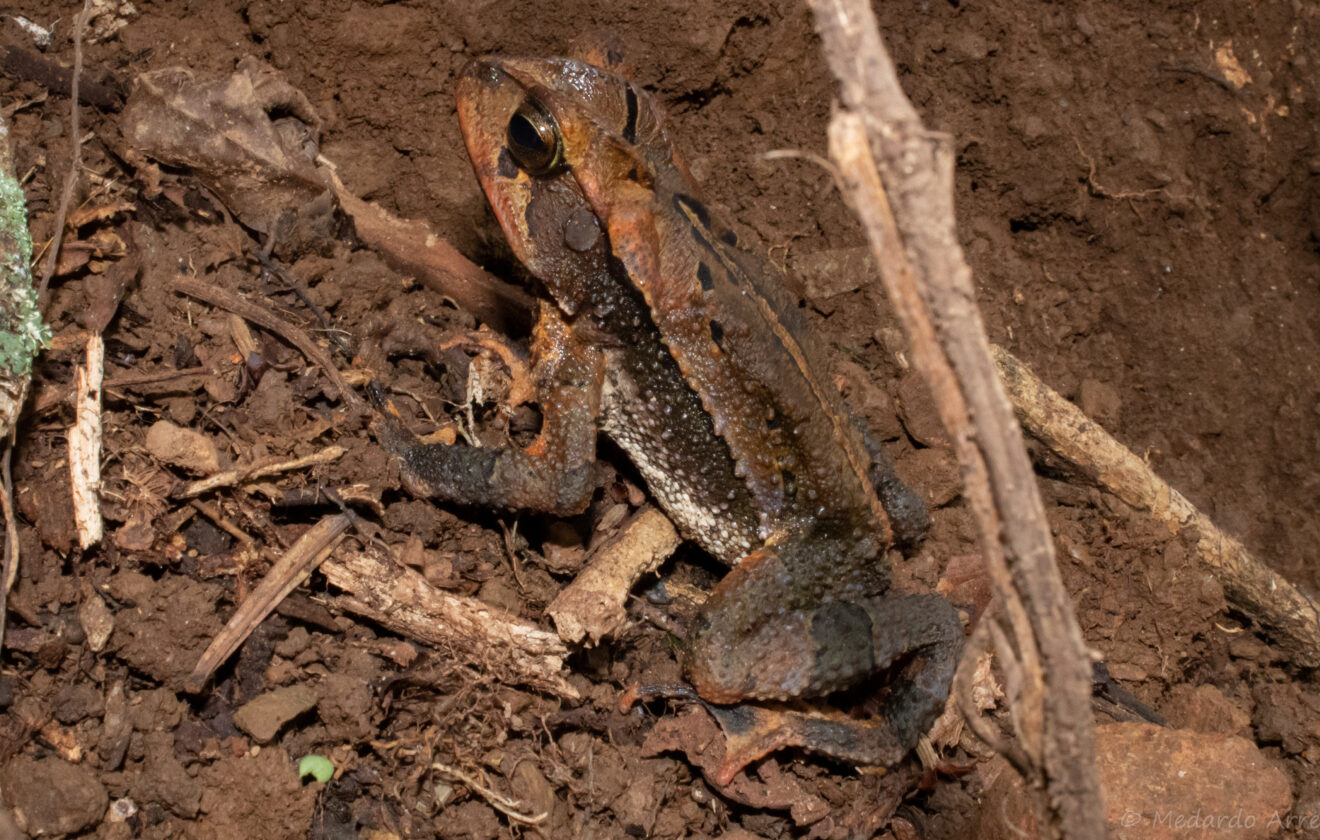
Exploring Incilius spiculatus: The Quiet Guardian of Mexico’s Highlands#
Deep within lush highland forests and amidst rugged ravines in Mexico’s mountainous regions lives a creature whose subtle presence often goes unnoticed, yet whose ecological role is profound—Incilius spiculatus, commonly known as the spiculate toad. With its quiet demeanor and cryptic coloration, this amphibia often slips beneath the radar, overshadowed by more flamboyant cousins. However, the delicate balance of its mountain home depends on unsung heroes like Incilius spiculatus, whose habitat preferences and specialized behaviors serve as key indicators of environmental health, reminding us of the interconnectedness in nature’s web of life.
Join us as we wander through mist-laden cloud forests, rocky elevations, and shady woodland streams to uncover the fascinating natural history, ecology, and conservation narrative behind Mexico’s enigmatic amphibian, the spiculate toad.
Taxonomy and Classification#
Incilius spiculatus belongs to the family Bufonidae, a diverse group often affectionately known as the “true toads.” Within the genus Incilius, this frog joins ranks with several others, many endemic to Latin America’s unique ecological niches. Originally described in 1882 by the zoologist Edward Drinker Cope, Incilius spiculatus has been fascinating researchers for well over a century due to its distinct ecological adaptations and subtle aesthetic.
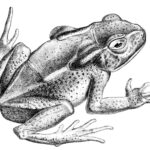
The name “spiculatus” denotes the particular skin texture that distinguishes this species, with fine, pointed protrusions or spicules adorning their surface. It’s a subtle trait, yet it becomes distinctive when one closely examines the toad’s appearance, as we’ll soon explore in detail.
Natural Habitat#
The captivating range of Incilius spiculatus primarily encompasses the temperate highlands and mountainous forest ecosystems of central and western Mexico. This species thrives within elevations spanning approximately 1,500 to 3,000 meters, favoring regions abundant in moisture, leaf litter, and shaded undergrowth.
A Refuge in Mountain Mists#
Imagine stepping beneath the damp, shaded canopy of a cloud forest. The air vibrates with the hum of cicadas; low-hanging mist cloaks ancient trees, whose bark hosts carpets of moss and delicate ferns. Here, beneath decaying logs, amidst damp leaf litter, and tucked beneath rocks beside slow-flowing cold-water streams, is the preferred habitat of our amphibious protagonist. The microclimate created by the delicate balance of shade, moisture, and temperature in these high elevations is essential for the survival of Incilius spiculatus.
These toads are specialists, indicating fine-tuned evolutionary adaptation. They choose areas replete with vegetation that maintains adequate humidity and stable temperatures, allowing them to remain hidden while engaging in crucial ecological tasks crucial to nutrient cycling and pest control.
Physical Characteristics#
At first glance, Incilius spiculatus may seem modest, lacking the vibrant colors or striking patterns of its more flamboyant amphibian cousins. Yet closer observation reveals an animal perfectly evolved for subtlety and survival within its chosen habitat.
A Masterclass in Camouflage#
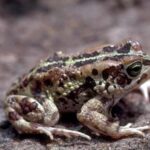
Typically measuring between 50 to 80 mm (approximately 2 to 3 inches) as adults, the spiculate toad exhibits shades of olive, brown, or gray, flecked with intricate darker mottlings—colors precisely mimicking the hues of its forest-floor habitat. Their skin, textured with tiny spicule-like structures, disrupts their silhouette and enables them to blend almost seamlessly with moss-covered stones, leaf detritus, and bark, expertly evading predators while quietly awaiting prey.
Adaptations such as pronounced parotoid glands situated behind each eye contain alkaloid toxins, providing critical chemical defenses against predators ranging from birds and mammals to snakes. Although not typically harmful to humans upon gentle contact, these toxins effectively deter would-be predators, allowing them essential protection to continue their ecological roles undisturbed.
Behavior and Life Cycle#
While often less visible during daylight hours, Incilius spiculatus reveals fascinating behaviors well worth examination. Like other toads, they are primarily nocturnal, moving under cover of night to forage and mate.
Hunters Under Moonlight#
Emerging as dusk blankets their habitat, spiculate toads hunt predominantly insects—ants, beetles, spiders, and caterpillars—using patience and stealth to minimalize movement and risk exposure to predators. With precise, sudden lunges, accompanied by a lightning-fast flick of their sticky tongue, these amphibious predators quietly regulate insect populations, contributing to the delicate balance of their mountain ecosystem.
A Chorus in the Darkness: Breeding and Egg-laying#
During rainy seasons, typically spring through early summer months, male spiculate toads initiate harmonious nocturnal choruses, calling out gently yet insistently from ponds, streams, or puddles following heavy rains. Females select mates based on call frequency and intensity, initiating a reproductive journey that results in gelatinous strings filled with thousands of tiny black eggs strewn amid slow-moving waters.
Tadpoles soon hatch and begin their aquatic life, consuming algae and organic detritus. Over a few weeks, these fascinating larvae gradually metamorphose into miniature versions of adults, leaving the waters behind to enter terrestrial habitats and complete their remarkable lifecycle on solid ground.
Ecological Role#
Incilius spiculatus holds an integral place within its local ecosystem, fulfilling ecological responsibilities that sustain biodiversity and reflect ecosystem health. As insectivores, they play a vital role in controlling insect populations, balancing the intricate food web.
Conversely, the spiculate toad itself is preyed upon by various vertebrate predators—including snakes, birds, and mammals. Thus, this humble toad is an important link within broader ecological networks, acting as both predator and prey, reinforcing the rich biodiversity characteristic of Mexican highland ecosystems.
Threats and Conservation Status#
Unfortunately, the specialized nature of this amphibian also makes it vulnerable to ecological changes and anthropogenic pressures. Habitat fragmentation, forest clearing for agriculture or urbanization, and pollution pose significant threats to the delicate ecosystems favored by this species. Moreover, climate changes shifting precipitation patterns and temperature regimes complicate issues further, potentially rendering certain habitats unsuitable over time.
Present Status and Conservation Initiatives#
The International Union for Conservation of Nature (IUCN) presently categorizes Incilius spiculatus as “Least Concern,” yet underscores the importance of constant monitoring due to potential declines tied to habitat loss. Conservation measures have included habitat restoration projects, particularly focused in Mexico’s protected areas and community-driven forest preservation initiatives, underscoring local engagement’s importance in amphibian conservation.
Cultural and Scientific Significance#
Interestingly, local communities within the range of Incilius spiculatus have folklore often associating amphibians with rainfall, renewal, and natural balance, believing their vocalizations herald rejuvenating rains essential for agriculture and healthy ecosystems.
Scientifically, Incilius spiculatus provides critical biological indicators. Amphibians often reflect the environmental health of ecosystems; their permeable skins make them especially susceptible to toxins and climate changes, revealing early signs of ecosystem stresses. Hence, these toads become essential barometers for environmental monitoring.
Conclusion#
In quiet forests cloaked in mist and mystery, Incilius spiculatus—the humble spiculate toad—quietly thrives, emphasizing how ecological wonders often dwell quietly in our own backyards. Recognizing the fragility of their habitats, alongside their invaluable role in maintaining biodiversity, underscores the urgent imperative to protect these pristine mountain ecosystems.
Our own survival intertwines with theirs, reminding us how delicate yet powerful our interconnected world truly is. As we cherish these shy amphibious guardians, consider supporting local wildlife conservation efforts to ensure that generations ahead may also hear their gentle nighttime choruses along Mexico’s enchanted highlands.