- Unearthing the Secrets of Incilius signifer: Mexico's Lesser-Known Jewel of the Amphibian World
- Taxonomy and Classification: Unveiling the Family Tree of <em>Incilius signifer</em>
- Natural Habitat: Hidden Among the Forest Floors
- Physical Characteristics: A Master of Camouflage and Adaptation
- Behavior and Life Cycle: Quiet Lives with Remarkable Moments
- The Ecological Importance of <em>Incilius signifer</em>: Guardians of Balance
- Threats to Survival and Conservation Status
- Cultural and Scientific Significance: Symbols of Wilderness Health
- Conclusion: Advocating for Amphibian Ambassadors
Unearthing the Secrets of Incilius signifer: Mexico’s Lesser-Known Jewel of the Amphibian World#
Hidden within the diverse and often mysterious forest landscapes of Mexico dwells a small amphibian whose quiet existence often escapes notice. With subtle grace and an elusive charm, Incilius signifer, commonly known as the pine toad or the Veracruz toad, navigates life’s challenge in wooded regions, from misty highlands to moist valleys. Scientifically classified as Incilius signifer, this intriguing species belongs to a vibrant yet vulnerable community of amphibians that reflect the intricate health and biodiversity of their habitats.
Imagine exploring a mist-laden forest trail at dawn, the aroma of damp earth rising around you, and then glimpsing a perfectly camouflaged animal resting still against a bed of leaf litter. Quiet and unobtrusive yet fascinatingly adapted, it is here that we find Incilius signifer. This diminutive amphibian, while rarely spotlighted, plays an indispensable role within its delicate ecological tapestry, and discovering its unique life reveals a deeper understanding of the vibrant ecosystems of Mexico.
Taxonomy and Classification: Unveiling the Family Tree of Incilius signifer#
Belonging to the Bufonidae family—more commonly referred to as the true toads—Incilius signifer shares its broader lineage with familiar relatives ranging from the common American toad to more exotic members found across the globe. Originally classified within the genus Bufo, recent phylogenetic studies have reassigned several species to the genus Incilius, highlighting vital anatomical, genomic, and behavioral distinctions that anchor this species securely within this genus.
The scientific name Incilius signifer properly reflects its unique attributes. The name “signifer,” derived from Latin, translates aptly to “bearer of signs,” evocatively hinting at the intricate markings displayed across its body. These detailed patterns not only distinguish it from closely related species within the genus but provide critical insight into its protective strategies and ecological adaptations.
Natural Habitat: Hidden Among the Forest Floors#
The Diverse Lands of Incilius signifer#
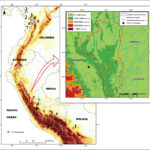
Geographically, Incilius signifer occupies regions within Mexico, particularly thriving within the Sierra Madre Oriental and its surrounding highland forests, extending through Veracruz and neighboring states. Its preferred habitats mirror pristine pine-oak woodland ecosystems, ranging in elevation from approximately 1,500 to above 2,900 meters.
Imagine traversing the verdant slopes of these mountainous regions, your path illuminated by dappled sunlight filtering through dense canopy foliage overhead. Amidst the damp leaf litter that carpets the forest floor live secretive communities of amphibians. Here, Incilius signifer makes its home, nestled firmly within the structured serenity of dense vegetation, thickly fallen leaves, and moisture-rich soil beds that sustain the delicate balance of their physiological needs.
Habitat Preferences and Environmental Interaction#
Unlike many amphibians that congregate near large water bodies, the pine toad exhibits terrestrial tendencies, relying predominantly on moist microhabitats provided by dense ground cover and shaded recesses. These environments supply critical refuge from predators, desiccation, and temperature extremes. Fallen logs, moss-covered rocks, and decomposing vegetation piles serve as vital shelters, offering ideal conditions for thermoregulation and moisture retention.
The precise requirements for moisture and temperature in its habitat are essential factors in determining the health and sustainability of populations. Small ephemeral streams and standing pools formed by seasonal rains furnish necessary breeding sites, underscoring how intricately tuned amphibians such as Incilius signifer are to specific climatic and ecological conditions.
Physical Characteristics: A Master of Camouflage and Adaptation#
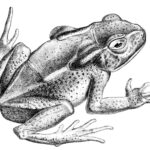
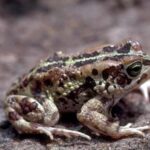
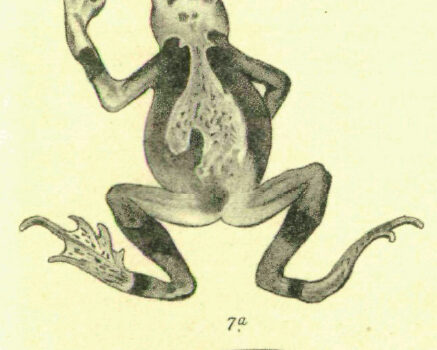
At first glance, the modest, earthy appearance of Incilius signifer may seem unremarkable. Yet, upon closer consideration, its beauty resonates clearly with the subtle but profound adaptations honed by natural selection. Usually growing no larger than a few centimeters, these toads blend perfectly into their surroundings. Shades of muted olive, brown, grey, and auburn flecked across their bodies reflect the palette of the leaf-covered forest floor. This cryptic coloration delivers remarkable camouflage against predators, enhancing survival rates within challenging ecosystems.
The skin texture of Incilius signifer, punctuated prominently by wart-like structures and granular ridges, further fortifies its effectiveness in blending seamlessly into woodland habitats. Interestingly, these distinctive textures offer dual protection—camouflage and an additional defense mode through specialized glands capable of secreting distasteful or toxic substances as chemical deterrents against predators.
Adaptations such as shorter hind limbs enable efficient burrowing behavior, ensuring quick retreat to safety beneath the forest floor’s abundant leaf litter and loose soil during potential threats and unfavorable climatic periods. This suite of subtle physical traits narrates a seamless story of evolutionary specialization perfectly suited to life upon forest grounds.
Behavior and Life Cycle: Quiet Lives with Remarkable Moments#
A Nocturnal Forager#
As twilight envelops the forest landscape, the pine toad emerges from hidden retreats beneath the moist leaf litter. Adopting an opportunistic mode of feeding behavior, the toad sets forth nightly, meticulously hunting insects, arthropods, and small invertebrates encountered along damp forest floors. Equipped with an agile tongue and keen sensitivity to movement and vibration, the amphibian capitalizes upon abundant nighttime prey activity, maintaining its vital role in controlling insect populations within these precious ecosystems.
Breeding: From Forest Streams to Tadpole Transformations#
Each rainy season marks critical transitions in the quiet ecosystem rhythms, bringing synchronized congregation at suitable water pools and streams for reproductive opportunities. Male Incilius signifer toads commence peaceful choruses along pools fringed by vegetation, their soft, rhythmic calls resonating quietly through the humid night air, drawing potential mates to congregate ceremoniously.
The females are meticulous egg layers, depositing gelatinous strands of eggs carefully anchored to submerged vegetation or log structures within small streams or temporary pools formed after heavy rainfall. Embryonic development promptly ensues, influenced highly by water temperature, dissolved oxygen levels, and habitat stability provided by their meticulously selected breeding sites.
Newborn tadpoles navigate life delicately in these ephemeral water environments. Equipped with specialized mouthparts ideal for scraping algae and detritus from submerged surfaces, tadpoles mature rapidly in resource-rich habitats. Their transition from aquatic larvae into terrestrial adults marks a vulnerable yet critical moment, equally mirrored by the vital reliance upon quality habitats.
The Ecological Importance of Incilius signifer: Guardians of Balance#
Though rarely spotlighted compared to charismatic megafauna, amphibians, including the pine toad, uphold significant ecological roles within their ecosystems. Occupying intermediate trophic positions, these amphibians function crucially as both predator and prey species. Their voracious appetites curtail insect overpopulation, maintaining sensitive ecological balances. Concurrently, serving as vital prey items, they sustain populations of various forest-mammals, birds, reptiles, and other predators within mountain forest ecosystems.
Threats to Survival and Conservation Status#
Sadly, like numerous other amphibian species globally, Incilius signifer confronts pressing conservation challenges. Habitat fragmentation and deforestation driven by logging, agriculture, and urbanization critically threaten their specialized woodland habitats. Pollution, climate instability, and diseases—including devastating chytrid fungus—compound the pressure facing these fragile populations, elevating concerns regarding their present and future population stability.
Presently categorized as “Least Concern” by the International Union for Conservation of Nature (IUCN), caution remains merited due to rising pressures upon critical habitats. Conservation programs addressing habitat protection, corridor establishment, and regional ecological education initiatives symbolize valuable strategies in safeguarding populations effectively before heightened risk escalates.
Cultural and Scientific Significance: Symbols of Wilderness Health#
Beyond ecological roles, Incilius signifer symbolizes broader narrative tales highlighting region-specific biodiversity and ecosystem health. Amphibians universally warrant recognition as indispensable environmental indicator species, particularly sensitive to water quality degradation and environmental perturbations. Consequently, pine toads function as sentinel species alerting scientists to subtle, unnoticed changes, guiding conservation efforts toward environmental restoration and sustainable management practices.
Conclusion: Advocating for Amphibian Ambassadors#
To appreciate Incilius signifer is to recognize the interconnectedness that defines our natural world. From quiet forest floors in Mexico arises an eloquent statement concerning biodiversity richness, ecological resilience, and impending vulnerability. Your awareness, appreciation, and support toward conserving these delicate species and their habitats underscore tangible contributions toward sustaining vital ecological networks.
Explore, learn, and advocate—the survival of quiet masterpieces like Incilius signifer lies crucially within cooperative commitment to protect our shared environments, one small amphibian at a time.