- The Intriguing Life of <em>Incilius porteri</em>: Costa Rica's Hidden Jewel
- Introduction: A Vibrant Mystery in the Heart of Central America
- Taxonomy and Classification: Positioning Incilius porteri in the Amphibian World
- Natural Habitat: A Life Sheltered Beneath the Forest's Embrace
- Physical Characteristics: Elegance in Subtlety
- Behavior and Life Cycle: A Dance of Survival and Reproduction
- Ecological Role: An Integral Thread in Rainforest Biodiversity
- Threats and Conservation Status: Protecting Delicate Lives in Changing Landscapes
- Cultural and Scientific Significance: A Species Worthy of Awe and Investigation
- Conclusion: Protecting Incilius porteri—Safeguarding Our Shared Future
The Intriguing Life of Incilius porteri: Costa Rica’s Hidden Jewel#
Introduction: A Vibrant Mystery in the Heart of Central America#
Nestled amid lush tropical foliage, cloaked by emerald canopies and melodious choruses of countless rainforest inhabitants, the enigmatic Incilius porteri—the Porter’s Toad—holds court in quiet shadows. This beautifully cryptic amphibian, named in honor of its discoverer and distinguished herpetologist John Porter, inhabits one of Earth’s most biologically diverse emerald jewels: Costa Rica’s dense humid forests.
Though inconspicuous and seldom glimpsed by human eyes, Incilius porteri captivates biologists and conservationists alike. Its secretive lifestyle, strikingly adaptive coloration, and fascinating reproductive strategies place it among Costa Rica’s most intriguing amphibians. Guided by curiosity and reverence for nature’s hidden gems, this article dives beneath the layers of mystery, revealing the vibrant, complex story of Incilius porteri—a creature deserving our understanding, appreciation, and protection.
Taxonomy and Classification: Positioning Incilius porteri in the Amphibian World#
Incilius porteri belongs to the family Bufonidae, commonly referred to as “true toads.” Within this diverse family, Incilius stands as a prominent genus distinguished by a wide variety of Central and North American species. First scientifically described by Mendelson, Williams, Sheil, and Mulcahy in 2005, it initially appeared within the genus Bufo but has since found a more accurate home under Incilius.
Close relatives in the genus include notable species such as Incilius coniferus and Incilius aucoinae, sharing morphological characteristics along with similarly-measured ecological roles. However, each species maintains its unique behavioral traits, reproductive adaptations, and with Incilius porteri, specifically evolved approaches toward surviving in Costa Rica’s dense lowland and foothill forests.
Natural Habitat: A Life Sheltered Beneath the Forest’s Embrace#
Incilius porteri thrives discreetly within a distinct geographic locale, confined predominantly to the humid lowland and premontane forests of Costa Rica. From lush foothill regions cascading toward the Caribbean slopes, its territory expands across historically stable, mature forests flourishing with biodiverse life.
Living Amid Leaf Litter and Streambeds#
Preferring moist, shaded environments near gently flowing forest streams, this species is well-adapted to the cool dampness of leaf litter layers. These microhabitats, coupled with mossy logs, hollow crevices among rocks, and root systems intricately intertwined along streambanks, provide optimal conditions enabling thermal regulation, hydration, and protection from predators.
The highly selective habitat preferences of Incilius porteri point to its vulnerability; even slight eco-region disruptions can significantly impact populations. Conserving their specific habitats thus becomes paramount in preserving their intricate ecological mosaic.
Physical Characteristics: Elegance in Subtlety#
Incilius porteri exemplifies nature’s successful strategies, carrying an elegant simplicity in its design. Adults exhibit modestly sized bodies, averaging only 5–8 centimeters in length. Yet, despite their seemingly unassuming presence, their physical features represent profound evolutionary adaptation.
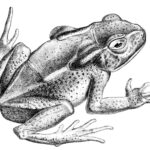
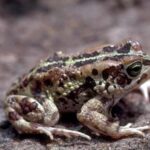
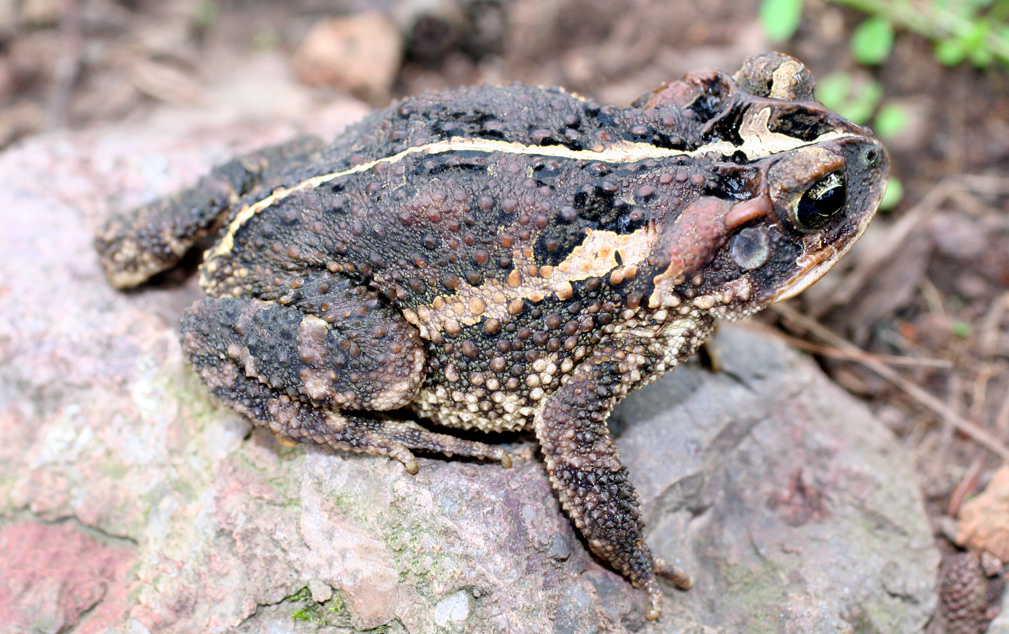
The skin texture is characteristically rough, scattered with prominent warts and tubercles, offering camouflage among decaying leaves and vegetation. Coloration ranges from olive-browns to deep earthy tones, interlaced with subtle dark markings. Such cryptic shading offers critical concealment from predators, an essential adaptation within their densely populated rainforest surroundings.
Perhaps the most striking element is their distinct parotoid glands behind the eyes, specialised structures secreting a mild toxin as an effective predator deterrent. This defense mechanism allows Incilius porteri to boldly venture forth without excessive risk, despite being diminutive and otherwise defenseless.
Behavior and Life Cycle: A Dance of Survival and Reproduction#
Overlaying the nocturnal chorus of jungle life, the low, melodious trill echoed by the males declares territories and attracts mates. During Costa Rica’s wet season, these musical performances commence at dusk, floating gently where male toads position themselves strategically near streamside perches.
Breeding Rituals and Tadpole Journeys#
Following intricate mating rituals, females deposit gelatinous egg clusters delicately anchored underwater, typically attached to submerged vegetation or rocks. Within days, small tadpoles emerge, embarking upon lives fraught with risks and wonders alike.
Larvae forage within freshwater habitats, filtering microorganisms, algae, and plant matter. Over weeks, the transformative metamorphosis unfolds gradually, each stage honed by millions of years of adaptive precision. Tadpoles eventually develop into terrestrial juveniles, equipped to join life atop forest floors—a remarkable transition granted by fine-tuned physiological adaptations.
Foraging Habits: A Master of Ambush#
Adult Incilius porteri employs an adept “sit-and-wait” hunting strategy, patiently ambushing prey that wanders within range. Insects, spiders, worms, and occasionally small arthropods—this varied diet positions the toad as an important pest regulator, directly contributing to the ecological balance of its surroundings.
Ecological Role: An Integral Thread in Rainforest Biodiversity#
To fully grasp the significance of Incilius porteri requires understanding its pivotal role throughout these delicate ecosystems. As both predator and prey, this amphibian connects diverse trophic interactions, sustaining biodiversity and ecological stability.
Their presence controls insect populations, reducing vectors for pathogens and balancing plant damage by herbivorous insects. Simultaneously, the species offers a nutritional resource for countless predators—snakes, birds, and mammals alike—thus perpetuating energy flows and nutrient cycling integral to tropical rainforest resilience.
Furthermore, the sensitivity of these amphibians serves as a reliable barometer for environmental health, acting as essential bioindicators that scientists value highly when assessing ecosystem richness and viability.
Threats and Conservation Status: Protecting Delicate Lives in Changing Landscapes#
Incilius porteri currently faces serious threats predominantly driven by habitat degradation due to deforestation, agricultural expansion, and rapid urbanization encroaching close to protected zones. Added stressors, including climate-driven droughts, intensified storms, and potential chytrid fungus outbreaks, compound vulnerability. As a result, these amphibians represent an important focal point within global conservation discussions.
Presently, Incilius porteri remains listed as “Least Concern” on the IUCN Red List of Threatened Species, though biologists stress that such statuses can quickly decline without proactive habitat conservation initiatives. Various Costa Rican protected areas, ecological corridors, and localized restoration projects already provide vital lifelines, shielding isolated populations sheltered safely beneath protective canopies.
Cultural and Scientific Significance: A Species Worthy of Awe and Investigation#
Commanding considerable curiosity in scientific arenas, Incilius porteri offers invaluable insight into amphibian evolutionary biology, rainforest ecology, and conservation biology. Researchers continue exploring its fascinating chemical defenses and reproductive biology, uncovering insights deeply intertwined within broader ecological narratives.
While scarcely entering folklore or popular culture, the species serves as a potent ambassador for the less-celebrated yet ecologically invaluable organisms inhabiting Central America’s underexplored corners. By advocating awareness surrounding Incilius porteri, we inadvertently champion a plethora of misunderstood, unseen species dependent upon conserved habitats that protect biodiversity at large.
Conclusion: Protecting Incilius porteri—Safeguarding Our Shared Future#
The hidden lives of creatures like Incilius porteri, quietly thriving in remote corners of tropical intimacy, embody the remarkable wonder and fragility of our planet’s biodiversity. Each of these amphibians represents an intricate thread connecting ecosystems and humanity alike. By appreciating, understanding, and protecting their existence, we directly affirm the integrity of global ecological health upon which we inevitably depend.
Join us in celebrating the intricacies and indispensable value provided by species such as Incilius porteri. Let us advocate conservation stewardship and support ongoing efforts to sustain Costa Rica’s rainforests—ensuring future generations may continue to marvel at nature’s hidden jewels.