- Unraveling the Secrets of the Enigmatic Mexican Burrowing Toad: Incilius perplexus
- Taxonomy and Classification of Incilius perplexus
- Exploring the Natural Habitat of Incilius perplexus
- Physical Characteristics: Masters of Camouflage and Subtlety
- Behavior and Life Cycle: Emerging Secrets Beneath the Forest Floor
- Ecological Role: A Burrowing Ambassador of Ecological Balance
- Conservation Status and Challenges Facing Incilius perplexus
- Cultural and Scientific Significance: Unlocking Nature's Mysteries
- Conclusion: A Call to Action for the Future
Unraveling the Secrets of the Enigmatic Mexican Burrowing Toad: Incilius perplexus#
Hidden among the dense leaf litter of Mexico’s Pacific coastal forests resides a creature whose very existence is cloaked in mystery: the perplexing toad known scientifically as Incilius perplexus. This amphibian, whose cryptic lifestyle has challenged scientists since its discovery, serves as a compelling reminder of nature’s endless capacity for fascination and complexity. Named fittingly due to the enigmatic circumstances surrounding its identification, Incilius perplexus is a captivating species that embodies both biological curiosity and ecological significance.
At first glance, it may seem just another amphibian blending seamlessly into its surroundings, yet closer examination reveals that the veritable intrigue of this rarely encountered toad lies more beneath the surface than meets the eye. From peculiar burrowing habits and unusual breeding behaviors to alarming threats posed by human encroachment, the story of Incilius perplexus is one that begs further exploration and deeper understanding.
Taxonomy and Classification of Incilius perplexus#
Incilius perplexus belongs to the Bufonidae family, a diverse group comprising approximately 35 genera and hundreds of species globally recognized as “true toads.” Within the family, the genus Incilius represents a fascinating lineage exclusive to Central and North America, renowned for its ecological adaptability and unique behavioral traits. Described formally by Taylor and Smith in 1943, the perplexing toad received its distinctive scientific epithet “perplexus” due to the difficulty and confusion encountered during initial classification attempts.
Close relatives of Incilius perplexus, including more recognized species such as Incilius valliceps (Gulf Coast toad), exhibit familiar toad-like attributes yet differ significantly in ecological preferences. Despite being part of a well-studied family, the definitive characteristics and classification of I. perplexus continue to invoke curiosity, inviting ongoing research to explore the evolutionary pathways and adaptations that set this species apart.
Exploring the Natural Habitat of Incilius perplexus#
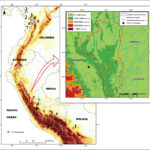
The natural habitat of Incilius perplexus rests predominantly along Mexico’s Pacific coastal regions, with confirmed populations concentrated in areas such as Oaxaca, Guererro, Michoacán, and portions of Jalisco. Designed by evolution to lead a secretive life, these elusive amphibians primarily inhabit tropical and sub-tropical dry forests, characterized by well-drained sandy or sandy-loam soils, scattered rocky outcroppings, and a thick carpet of fallen leaves.
In these forested domains, the perplexing toad seeks favorable spots near seasonal streams or ephemeral water bodies, where moisture penetrates the ground, providing optimal conditions for burrowing. Appropriately called “burrowing toads,” these amphibians possess robust limbs and specialized feet equipped for effective excavation, allowing them to retreat underground for moisture, shelter, and defense against predators and harsh conditions.
A Landscape Shaped by Seasons: Coping With Climate Extremes#
As dry seasons envelop their habitats with parched soils, scorching sun, and scarce water availability, these frogs employ remarkable behavioral strategies to endure the extremes. By burrowing deep beneath the soil surface, they effectively evade desiccation, conserving moisture within their bodies until seasonal rains return. Throughout the dry season, their subterranean refuges—humidity chambers skillfully crafted underground—keep them safe from drastic temperature fluctuations and dehydration.
When the rainy season arrives, the habitat undergoes a profound transformation. Water bodies swell, foliage greens, and vibrant insect life emerges, marking an abundance that signals these cryptic amphibians to resurface and engage in breeding rituals. The habitat itself, ever-changing and yet cyclical, dictates every aspect of the toad’s specialized biology, clearly demonstrating how intimately linked amphibians are with the environment that sustains them.
Physical Characteristics: Masters of Camouflage and Subtlety#
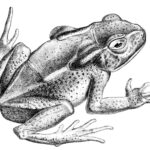
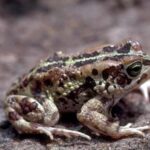
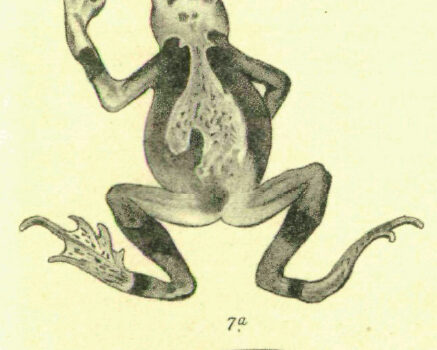
At first glance, the subtle coloration and cryptic patterns of Incilius perplexus might not appear striking, posing challenges for even experienced observers. Adults typically measure between 45 to 65 millimeters in length, showcasing a stout and robust form prominently designed for burrowing. Short limbs adorned with toughened, keratinized tips and webbed digits underpin their adeptness in excavation.
The toad’s coloration mirrors the earthy tones of its habitat—shades ranging from dull brown and olive-grey to ochre and reddish brown—marked lightly with darker flecks or blotches that facilitate camouflage amidst fallen leaves and soil particles. Its dorsal surface has a granular texture embedded with tiny glands that secrete defensive chemicals, deterring potential predators. The ventral side, pale cream to off-white, contrasts the darker upper body—a common trait amongst many burrowing frogs aimed at further camouflage in varying natural settings of light and shadow.
Its eyes, prominent and large, display horizontal elliptical pupils well-adapted for low-light conditions beneath the forest canopy or underground burrows. Specialized visual traits enable identification of subtle movements of prey items, even under dim light, providing crucial survival advantages for foraging.
Behavior and Life Cycle: Emerging Secrets Beneath the Forest Floor#
The habits of Incilius perplexus exemplify fascinating adaptations to its environment. Primarily nocturnal, the toad emerges after sunset to forage for invertebrates such as beetles, ants, termites, and small arachnids. Employing a sit-and-wait strategy, these stealthy amphibians use patient stillness and rapid, targeted tongue strikes to capture their prey efficiently without expending excessive energy.
Breeding Strategies and Parental Mysteries#
Triggered by rainfall and increased humidity signaling breeding season, males relocate to suitable breeding habitats—temporary pools or slow-flowing streams—where they engage in vocalizations to attract receptive females. Their calls, though low in pitch and relatively subdued compared to other anurans, resonate softly through the humid forest, creating an immersive chorus that signals vitality within their secretive, nocturnal world.
After mating via external fertilization (amplexus), females deposit their gelatinous egg clusters attached firmly to submerged vegetation or hidden beneath water surfaces. Tadpoles emerge soon after, rapidly developing in a race against drying temporary habitats. Remarkably, tadpole-to-frog metamorphosis occurs swiftly, ensuring that newly formed juveniles can seek refuge in burrows before seasonal pools dissipate.
Ecological Role: A Burrowing Ambassador of Ecological Balance#
Amphibians occupy vital niches within ecosystems, and Incilius perplexus is no exception, contributing significantly in the regulation of invertebrate populations. By feeding extensively on insects—often maintaining control of pest species—the toad serves as a natural guardian of forest health.
Moreover, toads, representing critical prey species, sustain predators ranging from snakes, birds of prey, and mammalian carnivores. Their secretions also contain biochemical compounds that intrigue researchers, contributing to understanding amphibian defensive strategies and possible pharmaceutical applications.
Conservation Status and Challenges Facing Incilius perplexus#
Incilius perplexus faces ongoing stressors potentially jeopardizing future stability. Habitat degradation emerges as the most significant threat; increased agricultural practices, deforestation, urban expansion, and climate change contribute to habitat fragmentation and loss. These anthropogenic activities disrupt available burrowing sites and breeding waters, thereby threatening the survival and reproduction capability of affected populations.
For conservation biologists, these threats urgently underscore the importance of regularly monitoring population dynamics and establishing habitat protections wherever possible. Currently, reliable data on exact population sizes remain elusive, making conservation planning challenging. However, protective efforts directed towards broader habitat preservation projects may offer the best opportunity for safeguarding the species.
Cultural and Scientific Significance: Unlocking Nature’s Mysteries#
Though largely inconspicuous culturally due to its secretive habits, Incilius perplexus holds immense value for scientific discovery and educational outreach. As a species that evolved uniquely adapted habits and survival mechanisms to cope with harsh seasonal extremes, this toad exemplifies biological resilience and ecological adaptation—offering scientists valuable opportunities to study evolutionary processes, climate response, and conservation dynamics in sensitive ecosystems.
Conclusion: A Call to Action for the Future#
The intriguing presence of Incilius perplexus amidst Mexico’s habitats highlights nature’s profound mysteries and delicate interconnectedness. Protecting this modest yet valuable amphibian requires more than scientific curiosity—it needs collective human awareness and responsibility. Through continued research, habitat preservation, and environmental education, our future can include the continued presence of the amazing, enigmatic, and invaluable Mexican burrowing toad—preserving the health and wonder of ecosystems that shelter countless secrets beneath their surface.