The Elusive Forest Wanderer: An In-Depth Look at Incilius peripatetes#
Tucked within the lush, cloud-kissed highlands of Central America’s montane forests dwells a species whose very existence whispers secret tales of evolution and resilience. Known scientifically as Incilius peripatetes, commonly referred to as the “wandering toad,” this curious amphibian is far more than just another inhabitant of its delicate ecosystem; it is a quiet, persistent testament to nature’s adaptive ingenuity.
Discovered only relatively recently, this species’ name—peripatetes—originates from the ancient Greek term meaning “wanderer,” a poetic nod to this toad’s elusive nature and mysterious migratory habits. Unlike many of its more conspicuous cousins, Incilius peripatetes evades the casual hiker’s gaze, dwelling quietly among moss-covered logs and damp leaf litter, emerging primarily at twilight. Such undetected existence not only stokes curiosity but also invites admiration for a creature expertly adapted to its environment.
Taxonomy and Classification#
Incilius peripatetes belongs to the extensive Bufonidae family, commonly known as ‘true toads.’ Within this family, the genus Incilius comprises a distinctly Neotropical lineage, home to robustly built toads adapted predominantly to forested and mountainous habitats of Central America. Initially described in the early 21st century, Incilius peripatetes shares its genus with several closely related species, such as Incilius holdridgei and Incilius chompipe. Yet subtle genetic distinctions and unique morphological features firmly place I. peripatetes as a distinct ecological master of its own niche.
Natural Habitat#
A Forest Dweller Among Clouds#
The wandering toad inhabits dense montane cloud forests, among the most ecologically rich and visually captivating biomes on Earth. Primarily identified within carefully restricted altitudinal belts of Costa Rica’s Cordillera de Talamanca, Incilius peripatetes thrives at elevations ranging between 1,200 to 2,400 meters above sea level. Here, perpetual mists envelop lush vegetation, creating ideal conditions for moisture-loving amphibians.
Leaf-littered forest floors provide refuge through the day, where decayed logs shelter the species from predators and temperature fluctuations. Dampness and cool temperatures characteristic of these forests are indispensable to the frog’s sensitive porous skin, ensuring hydration and respiration. Within this tapestry of green, the wandering toad plays out its secluded existence, perfectly blending into its shadowy residence.
Physical Characteristics#
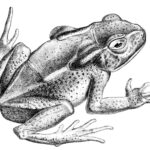
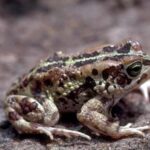
Upon first glance, the Incilius peripatetes presents a rugged, cryptic charm consistent with its nocturnal and secretive traits. Typically ranging from 4 to 6 centimeters in length, this toad’s sturdy build belies its remarkable agility. Its skin, predominantly coarse with wart-like glands, sports a remarkable mosaic of mottled browns, greens, and grays. This expertly evolved coloration provides the ideal camouflage amidst fallen leaves and decomposing wood.
Perhaps one of the most distinguishing features lies in the sizeable parotoid glands located behind each eye, secreting toxins integral to repulsion of potential predators. Furthermore, its horizontal pupils grant heightened visibility in dimly lit forests, serving a dual purpose in predation and defense—an evolutionary artistry crafted through millennia of adaptive existence.
Behavior and Life Cycle#
The Art of Stealthy Existence#
Second only to its elusive physical characteristics are the behavioral secrets harbored in the life pattern of Incilius peripatetes. The wandering toad embarks each evening on stealthy hunting expeditions, utilizing its sticky, projectile tongue as it patiently captures unsuspecting beetles, ants, caterpillars, and other invertebrates wandering too close within its striking range. Each prey capture offers a brief yet awe-inspiring glimpse into a swift act of predatory precision.
The Dance of Courtship#
When rainy seasons grace mountainous slopes, guided by lunar phases and increasing humidity, gatherings commence at narrow forest streams and temporary shallow pools—nature’s amphitheatres for an unmistakable acoustic ensemble of mating calls. Male Incilius peripatetes project soft, delicate trills intended solely to mesmerize potential mates amidst the ambient murmur of forest sounds. Following successful mating, females deposit gelatinous clusters of eggs submerged among submerged leaf litter and aquatic vegetation, ensuring protection and sustenance.
In ensuing weeks, tadpoles exhibiting dark coloration and specialized rasping mouthparts emphasize adaptability to niche feeding within forest streams. Over gradual metamorphosis, a new generation emerges, quietly taking positions among the shadows to further nature’s silent yet masterful cycle.
Ecological Role#
A Delicate Balance Maintainer#
Incilius peripatetes performs a crucial ecological service as both predator and prey, supporting biodiversity and the broader health of montane ecosystems. Their diet helps control insect populations, indirectly influencing vegetation health and stability by limiting potential pests. Simultaneously, they represent key food sources for predators such as snakes, birds, and small mammals, ensuring energy flows effectively throughout the food web.
Additionally, amphibians like Incilius peripatetes serve as essential bioindicators—sensitive guardians whose well-being reflects environmental quality. Persistent moisture dependence and permeable skin render them particularly susceptible to pollutants and climate perturbations, providing early warnings and invaluable insights into ecosystem shifts.
Threats and Conservation Status#
Battling an Uncertain Future#
Despite its elusive adaptations and cryptic lifestyle, Incilius peripatetes faces significant challenges from human-induced habitat degradation. Agricultural expansion, logging practices, climate change-induced droughts, and warming temperatures threaten the delicate balance needed by this forest denizen. Additionally, fungal pathogens such as chytrid fungus (Batrachochytrium dendrobatidis), known to ravage amphibian populations worldwide, present grave threats to survival.
Indeed, recognizing these immerging pressures, the International Union for Conservation of Nature (IUCN) classifies Incilius peripatetes as “Endangered,” highlighting urgent prioritization for conservation action. Efforts are underway to establish protected reserves and monitor population health actively, balancing forest livelihood with conservation stewardship.
Cultural and Scientific Significance#
Though its discreet existence keeps it largely unknown within broader communities, Incilius peripatetes holds immense potential value scientifically. Studying its toxins could yield medical breakthroughs, and understanding its adaptive strategies may illuminate resilience mechanisms other amphibians might adopt. Additionally, local indigenous traditions embody deep respect for forest creatures, symbolizing connections among people, wildlife, and the environment—reminding us of our integral position in this intricate web of life.
Conclusion: Stewards for a Secretive Survivor#
Incilius peripatetes, the wandering toad of Central America’s cloud forests, beautifully embodies lively mysteries and endangered wonders. Beyond its cryptic lifestyle, captivating behaviors, and ecological importance lies a narrative emphasizing continued vigilance. Preservation efforts, environmental education, and community collaboration remain imperative to ensure the wandering toad’s survival and thriving of its delicate forest ecosystems.
As nature lovers, science students, conservation advocates, and citizens of Earth alike, let this story serve as inspiration: explore, appreciate, and most importantly, actively support initiatives safeguarding fragile ecosystems. Only through committed engagement can we ensure our world’s biodiversity— exemplified through the wandering forest toad—continues to enchant generations to come.