- Exploring the Mysterious World of Incilius melanochlorus: The Dark Green Toad of Central America
Exploring the Mysterious World of Incilius melanochlorus: The Dark Green Toad of Central America#
Deep within the lush, verdant forests of Central America, hidden under layers of foliage and camouflaged against mossy stones, resides a small, intriguing amphibian—the dark green toad, Incilius melanochlorus. With its enchanting eyes and striking coloration, this enigmatic inhabitant of tropical rainforests captivates those lucky enough to catch a glimpse. Known for its cryptic lifestyle and specialized adaptations, I. melanochlorus offers a fascinating glimpse into the rich tapestry of biodiversity hidden within these increasingly vulnerable ecosystems.
Though not widely known outside specialized circles, this amphibian species represents a vital thread in the ecological fabric of its habitat. Beyond its captivating appearance and secretive habits, Incilius melanochlorus serves as an important indicator species—helping scientists gauge the health and integrity of forest environments. As we journey through the life and times of this remarkable creature, we’ll uncover nuanced behaviors, intriguing adaptations, and pressing conservation challenges that define its existence.
Taxonomy and Classification#
Classified within the family Bufonidae, Incilius melanochlorus belongs to a diverse lineage of true toads known for their dry, wart-covered skins and unique toxin-secreting glands. The genus Incilius comprises around 40 species spread throughout the Americas, well-documented for their ecological diversity. Initially described in the late nineteenth century, the species name “melanochlorus” vividly describes this toad’s distinguishing feature—its dark (“melano”) and vibrant green (“chlorus”) hues embellished with intricate mottling.
Though closely related to its better-known cousins, such as Incilius valliceps or the Gulf Coast toad, I. melanochlorus has carved out its niche in a visually stunning and ecologically complex corner of the tropics. Its taxonomic identity solidifies its distinctiveness, acknowledging its adaptation and specialization to a unique ecological niche.
Natural Habitat#
Range and Distribution#
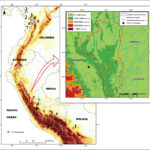
Incilius melanochlorus inhabits a geographically constrained range, notably thriving across southern Nicaragua, Costa Rica, western Panama, and northwestern Colombia. Within these regions, it is typically associated with humid lowland and mid-elevation rainforests, flourishing where moisture and consistent rainfall nurture lush vegetation and create ideal microhabitats.
Preferred Habitats and Microhabitats#
Rarely venturing far from moisture, this species excels in the humid recesses of tropical forests. Imagine, if you will, the dappled shade beneath towering canopies, where filtered sunlight dances sporadically across broad-leafed plants, fallen logs, and moss-laden rocks. These secluded, moisture-rich microclimates provide the requisite shelter, temperature, and humidity essential to the toad’s survival. Leaf-litter and decaying vegetation offer secondary habitats that retain critical moisture and support ample insect prey, thereby creating a thriving ecological hotspot ideal for this species.
Notably elusive and often nocturnal, I. melanochlorus capitalizes on the cover of darkness to remain hidden from predators, emerging only occasionally to feed or signal during breeding seasons—activities carefully synchronized with the pulse of seasonal rains.
Physical Characteristics#
Vivid Coloration and Patterns#
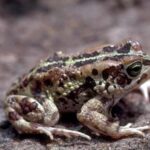
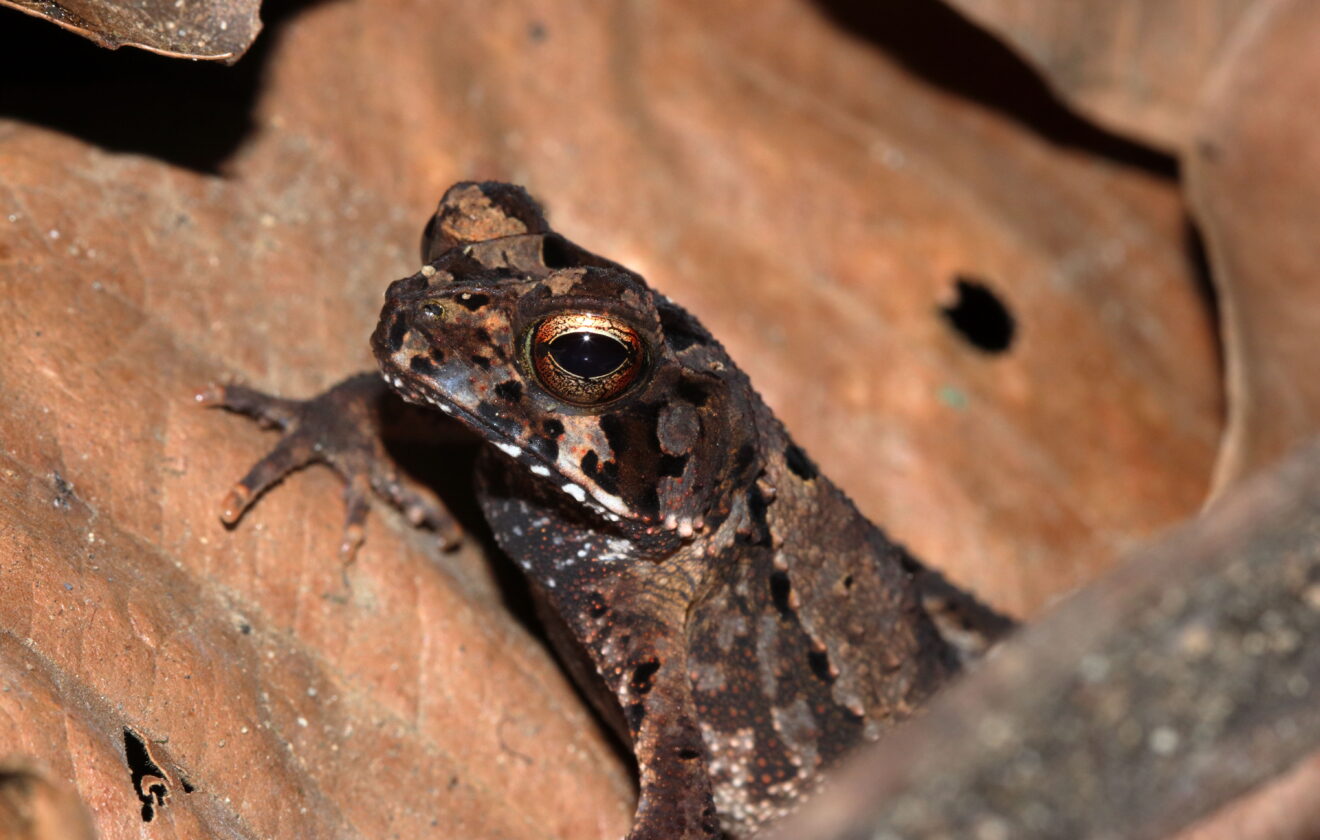
The striking appearance of this amphibian is characterized by its namesake coloration—deep greenish-black mottled with subtle yellowish-green hues. These vivid shades allow it to blend seamlessly into its surroundings, effectively concealing the toad from observant predators and unsuspecting prey. Their coloration adapts with age and environmental factors, typically becoming darker in response to increased humidity or lower temperatures.
Morphology and Structural Adaptations#
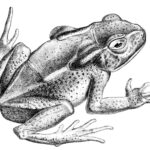
The robust body of Incilius melanochlorus measures approximately five to eight centimeters in length, making it a medium-sized member of its genus. Its compact legs and distinctly wart-covered skin are critical to its survival strategy, with parotoid glands located behind the eyes—a specialty of the Bufonidae family—secreting defensive toxins effective against numerous predators, ranging from birds and small mammals to aggressive insects.
Large, expressive golden eyes grant clear vision needed for nocturnal activity, complemented by a wide mouth equipped to seize small insects and arthropods efficiently. Each physical trait contributes harmoniously, creating a masterfully adapted amphibian perfectly designed by evolution to thrive under forest shadows.
Behavior and Life Cycle#
Foraging and Diet#
Feeding primarily on insects, spiders, and small invertebrates inhabiting leaf litter and the forest floor, the dark green toad engages in patient ambush tactics, relying on excellent camouflage and motionless stealth to strengthen their odds of successful predation. Typically nocturnal feeders, individuals venture forth at nightfall, systematically hunting amid the leaf-litter microcosmos for unwary prey.
Mating, Reproduction, and Development#
As wet season rains arrive between April and late November, nighttime choruses of resonant amphibian calls echo throughout Central American forests, signaling the commencement of breeding season. Male I. melanochlorus congregate near small forest pools, freshwater streams, or temporary puddles, emitting distinctive vocalizations to attract females to breeding sites. When a receptive female approaches, mating pairs engage in amplexus, the male clasping securely onto the female’s back to fertilize her eggs externally upon laying.
Tadpoles emerge from deposited eggs within days, settling into aquatic nursery environments. After weeks of growth and metamorphosis, young toadlets slowly migrate onto forest floors, embarking on their adult life spent mostly in the safety of moist shadows and hidden retreats. This seasonal cycle demonstrates how intricately the species’ survival is intertwined with rainfall patterns and environmental stability.
Ecological Role#
Incilius melanochlorus, though relatively unnoticed in the grand spectacle of jungle life, plays a substantive role in maintaining ecosystem health. As predators of insects, these toads effectively control populations of forest arthropods, helping to balance local food webs and plant-insect interactions. Conversely, they provide a crucial food source themselves to larger predators—birds, small mammals, snakes, and even predatory arthropods. In turn, their presence serves as an invaluable indicator for conservationists, marking ecological integrity by their health, abundance, and reproductive success.
Threats and Conservation Status#
Currently assessed by the International Union for Conservation of Nature (IUCN) as a species of Least Concern, the survival of Incilius melanochlorus nonetheless remains contingent upon stable habitat conditions. Primary threats facing these amphibians include habitat loss due to deforestation, agricultural encroachment, and infrastructure development leading to fragmented ecosystems. Climate change introduces additional vulnerability—altering rainfall patterns critical to their breeding cycles, while urban developments and pollution degrade water bodies essential for larval development.
Recognizing these hazards, conservationists encourage protection efforts—such as safeguarding critical forest habitats, creating biological corridors, and enforcing localized conservation regulation—to prevent population declines. Amphibian monitoring programs, field research, and educational initiatives help raise awareness on the significance of biodiversity preservation within the region.
Cultural and Scientific Significance#
In traditional cultures inhabiting Central America’s forested regions, amphibians such as this toad represent symbols of fertility, renewal, and impending rainfall—a revered messenger closely tied to agriculture and sustenance. Scientifically, they have contributed to research exploring bioactive compounds present in toad toxins, some potentially leading to medical breakthroughs in treating infections or chronic diseases.
Furthermore, studying species like I. melanochlorus provides scientists critical insights into ecosystem responses to environmental change, deepening our understanding of ecological resilience and vulnerability.
Conclusion: Protecting an Amphibian Ambassador of Biodiversity#
Though small and subtle, Incilius melanochlorus embodies an integral part of our understanding of tropical biodiversity. Their continued survival reminds us of the fragile interconnectedness pervasive throughout nature. Protecting their existence requires sustained conservation efforts and mindful stewardship, placing value on the ecosystems they inhabit. Each time we nurture and protect the home of this humble toad, we affirm our commitment to safeguarding a brighter, more sustainable future for all life on Earth.