Unveiling the Remarkable World of Incilius macrocristatus: The Large-Crested Toad of Central America#
In the dense tropical forests and subtropical zones of Central America dwells one of nature’s most fascinating secret-keepers—the Incilius macrocristatus. Known by its unmistakably striking appearance, commonly referred to as the “Large-Crested Toad” or “Moctezuma Toad,” this remarkable amphibian inhabits lush ecosystems stretching from Guatemala down through Nicaragua. With a name as formidable as its intricate crest, Incilius macrocristatus embodies an evolutionary landscape sculpted by millions of years of adaptation and survival.
From the resonant chorus that rises during rainy nights to the enigmatic gaze it bestows from beneath prominent cranial crests, this toad truly epitomizes the hidden wonders tucked within forests brimming with biodiversity. Though seemingly humble, its existence is woven deeply into the ecological tapestry of the region, underscoring the importance for ongoing conservation efforts.
Taxonomy and Classification#
Scientifically classified within the Bufonidae family, the Large-Crested Toad’s full taxonomic profile is as follows:
Kingdom: Animalia
Phylum: Chordata
Class: Amphibia
Order: Anura
Family: Bufonidae
Genus: Incilius
Species: Incilius macrocristatus
Originally described scientifically by herpetologists William Edward Duellman and Linda Trueb in 1968, Incilius macrocristatus earned its distinctive title from the pronounced cranial crests characterizing its dramatic appearance. Within its genus, Incilius macrocristatus shares lineage with several other notable species, including Incilius valliceps and Incilius nebulifer, yet it remains distinct for its uniquely large, ornate ridges and crests adorning the head and back.
Natural Habitat#
Geographic Range#
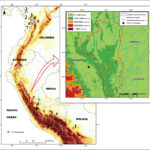
Incilius macrocristatus thrives primarily within humid, lowland forests and subtropical moist habitats. Its native range spans the Atlantic slopes of southern Mexico, notably Chiapas, and extends through Guatemala, Belize, Honduras, El Salvador, and Nicaragua. Within this broad geographic expanse, this distinct amphibian favors habitats characterized by dense canopy cover, abundant leaf litter, freshwater streams, and shaded pools created by rainfall accumulation.
Ecosystem Interactions and Habitat Preferences#
Favoring hidden microclimates beneath rotted logs, lush foliage, and leaf debris, these toads rely heavily on moisture-rich habitats, carefully chosen for humidity levels essential for their survival. Their preference for forest litter environments provides ample camouflage, shelter from predators, and crucial feeding grounds abundant with invertebrates.
The myriad streams and moist environments not only serve as a vital water source but also become arenas of profound ecological interactions. Tadpoles hatch and mature within these clear, shaded pools, where aquatic biodiversity provides both sustenance and predatory challenge. Consequently, Incilius macrocristatus acts as a delicate indicator species, signaling ecosystem health through thriving populations or signaling distress through declining numbers.
Physical Characteristics#
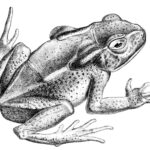
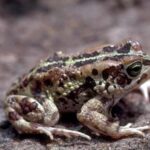
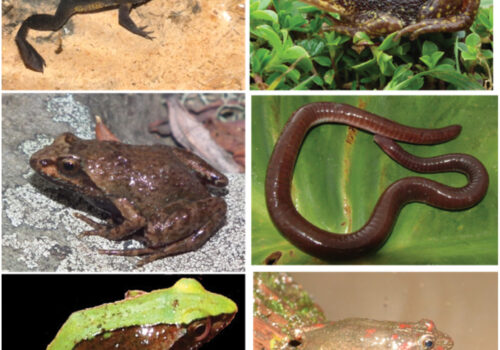
Incilius macrocristatus does not just exist—it captivates. Adult males measure between 55 to 80 millimeters, while females, generally slightly larger, range from 70 to 100 millimeters in length. The iconic crests, shaped elegantly into sharply defined ridges extending from behind their eyes down their backs, highlight their form. These adaptations help deter predators, serving both defensive and communicative functions among conspecifics.
Their bodies exhibit colors ranging from muted brown and olive-green to vivid shades of russet red or amber, blending harmoniously into leaf-littered habitats. Intricate patterns of darker blotches pepper their textured skin, enhancing their camouflage. Bumps and glandular warts, which can secrete mildly toxic substances as defense mechanisms, further punctuate their bodies, marking them as hazardous prey for potential predators.
Eyes set prominently atop their heads grant panoramic vision, ideal for swiftly spotting movements of insect prey and potential predators alike. The stout limbs and defined toes allow Incilius macrocristatus surprising agility, adept at both swift leaps across slippery surfaces and precise movements within tangled underbrush.
Behavior and Life Cycle#
Feeding Habits and Predatory Skills#
As terrestrial hunters, Large-Crested Toads employ ambush tactics and opportunistic feeding strategies. Under the cover of darkness, they sit patiently, camouflaged amongst leaves and twigs. Their large eyes meticulously track movements of insects, spiders, centipedes, and small gastropods, which form the majority of their diet. With lightning-fast reflexes, their elastic tongues dart out swiftly, ensnaring unsuspecting prey.
Reproduction and Parental Care#
Rainfall brings life and urgency into the forest’s nocturnal symphony, alerting the toads to breeding seasons typically occurring between late spring and early summer. Males assemble around shallow forest pools or slow-moving streams, their haunting calls echoing melodically through dense vegetation, attracting receptive females.
Upon mating, females lay lengthy strings of gelatinous eggs—each cluster carefully deposited within vegetation-rich waters. Within days, larvae emerge, tadpoles swimming freely amongst aquatic plants, algae, and detritus. This initial aquatic life signifies vulnerability yet also rapid transformation, as tadpoles steadily metamorphose over weeks into fully terrestrial juvenile toads.
Unlike some amphibians, parental care in Incilius macrocristatus remains minimal. Nevertheless, considerable effort ensures deposition of eggs in optimal locations. Adults disperse afterward, entrusting offspring development entirely to the safety of aquatic habitats.
Ecological Role#
Incilius macrocristatus fills critical ecological niches both as predators and prey. Their insatiable appetite for insects profoundly benefits ecosystems, helping regulate insect populations, including pests. The sheer volume of insects consumed by large populations exemplifies their vital role in maintaining ecological balance, influencing plant pollination and reducing disease vectors.
Yet the cycle of life underscores vulnerability, as these toads become prey themselves—a vital food source for predatory birds, snakes, and mammals. Their mild toxins deter some predators, but skilled predators overcome this hurdle, carefully navigating the subtle dance of predator-prey relations that underscore the very fabric of biodiversity.
Threats and Conservation Status#
Current Threats and Population Trends#
Despite incredible ecological resilience, Incilius macrocristatus faces escalating pressures from human activities. Habitat loss ranks most prominent, driven by rampant deforestation, agricultural expansions, and rapid human encroachment. Fragmented habitats severely reduce available breeding grounds, drastically impacting their survival potential.
Beyond habitat destruction, climate change poses significant existential threats. Unpredictable rainfall patterns and shifting climates disrupt breeding cycles and compromise sensitive tadpole development stages. Additionally, diseases such as chytridiomycosis, caused by Batrachochytrium dendrobatidis—a fungal culprit threatening amphibians globally—pose looming health threats to populations, further exacerbating survival challenges.
Conservation Efforts and IUCN Status#
The International Union for Conservation of Nature (IUCN) categorizes Incilius macrocristatus currently as Least Concern, given its relatively broad geographic range. Yet, conservationists remain vigilant, recognizing global amphibian declines as warning signs demanding proactive conservation initiatives and ecological stewardship.
Community-led restoration projects aiming to protect tributaries, streams, and forests in Central America serve as critical protective measures. Prominent education campaigns promote awareness among community members, aiming to inspire local guardianship over their ecosystems. Continual monitoring by research groups aims to identify population vulnerabilities early, enabling successful conservation interventions.
Cultural and Scientific Significance#
Historically, indigenous communities across Central America have revered amphibians like Incilius macrocristatus, intuitively appreciating their deep ecological significance and symbolically attributing spiritual qualities to their presence.
Scientifically, the Large-Crested Toad provides valuable insights into environmental health indicators within Central American forests. Amphibians’ permeable skin and complex lifecycles clearly mirror ecosystem health, positioning them as essential sentinels of environmental balance, pollution, and climate stability. Ongoing research into their toxin secretion highlights potential medical applications, spotlighting them as unsung heroes of biological discovery.
Conclusion#
Incilius macrocristatus embodies far more than meets the eye. Its delicate presence within Central America’s lush habitats signals ecological vitality and emotional resonance to scientists and nature enthusiasts alike. As we deepen understanding and appreciation for this fascinating amphibian, we uphold our collective responsibility—to preserve their precious habitats, safeguard biodiversity, and ensure a thriving world, not merely for these charismatic amphibians but for all life they touch.
Let us remain vigilant protectors, advocates, and learners, championing efforts to safeguard the mesmerizing and indispensable Incilius macrocristatus alongside countless other wildlife wonders.