- Secrets of the Costa Rican Forest Floor: Exploring Incilius luetkenii, the Yellow Toad of Central America
- Taxonomy and Classification
- The Rich, Hidden World of Their Natural Habitat
- Physical Characteristics: The Colorful Camouflage
- Behavior and Life Cycle: A Richly Textured Amphibian Life
- Ecological Role: Small Amphibians, Immeasurable Importance
- Threats, Conservation Status, and Future Prospects
- Cultural and Scientific Intrigue
- Conclusion: A Call for Continued Curiosity and Conservation
Secrets of the Costa Rican Forest Floor: Exploring Incilius luetkenii, the Yellow Toad of Central America#
As twilight settles upon a remote Costa Rican forest, moisture hangs thickly in the air, glistening on leaves and seeping gently into the soft earth. The melodic chorus of crickets, a rustling breeze, and distant streams harmonize into a quiet symphony. Yet woven amidst this natural orchestration comes an occasional, soft, guttural croak—a gentle alarm call, perhaps a serenade, emanating from the mysterious lifeform that silently navigates the forest leaf litter: the fascinating Incilius luetkenii, commonly known as the Yellow Toad, a secretive creature that embodies the charm and fragility of Central America’s remarkable biodiversity.
Named for Christian Frederik Lütken, a renowned Danish zoologist known for his meticulous naturalist explorations, Incilius luetkenii invites intrigue both scientifically and ecologically. Though it thrives predominantly out of view, its subtle presence and uniquely adapted traits make it crucial to the intricate web of life stretching across tropical forests.
Taxonomy and Classification#
Incilius luetkenii belongs to the vast, diverse family Bufonidae—true toads. Within this family reside organisms often characterized by their bumpy, warty skin, robust bodies, and intriguing behaviors. Previously placed within the genus Bufo, a wider reconsideration of genetic relationships among amphibians led to its reassignment into the more specific genus Incilius, along with other Central and South American toads. This reclassification reflects an essential truth emerging from modern science: learning more about species often leads to changes in the way we categorize them, a continuous journey of discovery that makes naturalist pursuits endlessly rewarding.
The species itself was first described scientifically in the latter portion of the 19th century and has intrigued naturalists and biologists ever since. Superficially similar to related toads such as Incilius valliceps, detailed genetic analyses have allowed researchers to confirm its distinctiveness. The unique ecological niche and the restricted geographic range it occupies further solidify the species’ intrinsic individuality, offering vital insights into evolutionary adaptations and biodiversity.
The Rich, Hidden World of Their Natural Habitat#
Incilius luetkenii thrives primarily in the forests of Costa Rica, Nicaragua, and Panama, regions characterized by humid tropical climates. With their survival intricately intertwined with the unique conditions found beneath dense forest canopies, these toads occupy a special ecological niche. They prefer lowland tropical rainforests and humid deciduous forests, but they have proven resilient within human-modified environments, sometimes appearing in cultivated areas or surviving along forest edges.
A Life Rooted in Leaf Litter#
On a morning walk through dense Costa Rican rainforest, an observant naturalist might catch glimpses of one of these cryptic amphibians half-buried beneath fallen leaves. They inhabit moist leaf litter and porous forest soils—a complex microhabitat filled with insects, snails, and countless tiny organisms integral to woodland health. Rich moisture, supportive soil structure, and abundant prey items within this realm perfectly suit the Yellow Toad’s lifestyle.
This seemingly inconspicuous toad contributes subtly yet significantly to its habitat’s health. Its feeding habits control insect populations while supporting vegetation decomposition processes, essential for nutrient recycling. Within their preferred habitats, these amphibians carve out important roles as predator, prey, and biodiversity indicators, signaling environmental change through shifts in their populations and behaviors.
Physical Characteristics: The Colorful Camouflage#
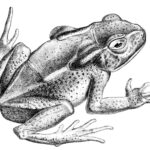
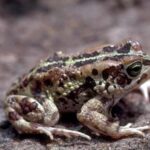
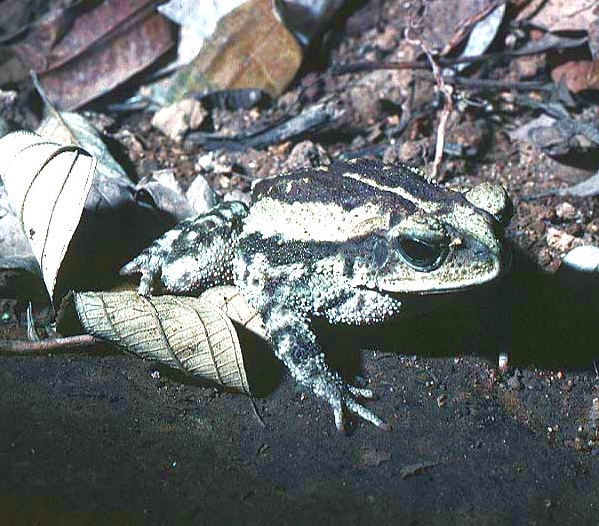
The appearance of Incilius luetkenii exemplifies the clever evolutionary adaptations required for surviving within their domain. Adult Yellow Toads typically measure between 50 and 90 millimeters in length, with females notably larger than males. At first glance, they are aptly named—the dorsal surface typically displays variations in olive green, yellowish-brown, or greenish-gray, beautifully mottled with darker, irregular markings. Lighter yellowish undertones might blend seamlessly with fallen leaves under the dense canopy, rendering these creatures virtually invisible to both predators and prey.
Upon closer inspection, the textured skin of these amphibians sports numerous granular glands and rough lumps, true to their Bufonid lineage. Specialized parotoid glands found behind the eyes excrete a mild toxin—important defense mechanisms designed to deter potential predators. These glands, though moderately toxic in comparison to more vibrant tropical amphibians, convey subtle warnings and protective strategies deeply embedded in their biology.
Eyes protruding gently, observing the surroundings keenly, and powerful hind legs developed efficiently made for hopping through their richly vegetated habitat underline the form-function marriage in nature’s designs. Each subtle physical trait contributes an essential adaptation, reinforcing its resilience against predators, climatic extremes, and ecological pressures.
Behavior and Life Cycle: A Richly Textured Amphibian Life#
Feeding and Activity Patterns#
The Yellow Toad remains largely nocturnal, an adaptation efficiently avoiding daylight predators and intense daytime heat. When night falls, dampness enveloping the forest floor, Incilius luetkenii emerges from hideaways in leaf litter or shaded burrows, moving deliberately yet unobtrusively through the dense undergrowth. Its diet predominantly comprises ground-dwelling invertebrates such as beetles, ants, termites, and worms, which it catches with a precise and rapid flick of its adhesive tongue.
Breeding Rituals: Choruses Amidst Moisture#
During rainy seasons, typically between May and November, Yellow Toads gather near ephemeral or slow-moving freshwater pools to breed. Males congregate in shallow water edges, voicing their presence with low-pitched, melodious advertisement calls—soft yet rhythmic echoes across wetlands, summoning receptive females. These congregations mark a remarkable social event, briefly exposing otherwise solitary animals to interactions, competition, and complex behaviors vital to species survival.
After courtship, females deposit long strings of numerous small eggs within shallow water, often entwined in submerged vegetation or gently settled on muddy bottoms. Remarkably, this sheer abundance of offspring points toward nature’s strategy for amphibian survival—producing numerous eggs to offset natural predation and environmental hazards.
Tadpoles and Developmental Magic#
Within days, tiny tadpoles emerge, swimming vibrantly throughout their aquatic nursery, grazing on algae and plant matter accumulating along pool edges and aquatic surfaces. As weeks pass, these fragile larvae steadily grow stronger, developing legs, lungs, and muscular limbs—gradual transformations in a mesmerizing biological metamorphosis. Ultimately, the new generation leaves water behind, venturing forth into terrestrial realms, instinctively finding their life among leaf litter and shadows, continuing the delicate cycle of survival.
Ecological Role: Small Amphibians, Immeasurable Importance#
Incilius luetkenii, while diminutive and inconspicuous, fulfills multiple critical ecological functions. Acting as an essential predator within forest ecosystems, this toad effectively controls insect populations, disrupting pests and balancing forest health. As prey, their presence sustains predatory diversity, supporting populations of reptiles, birds, and small mammals.
Moreover, like many amphibians, they function effectively as environmental indicators. Amphibians possess highly permeable skin, quickly absorbing contaminants and pollutants present within air, water, and soil. Drops in Yellow Toad populations may signal broader ecological distress, urging researchers and conservationists toward deeper inquiry and focused forest management efforts.
Threats, Conservation Status, and Future Prospects#
Viewed in the broader conservation narrative, Incilius luetkenii currently holds a relatively stable population as assessed by the International Union for Conservation of Nature (IUCN), categorized as “Least Concern”. Despite this relatively reassuring classification, complacency has no place—habitat destruction, climate changes, pollution, and pathogenic fungal infections remain significant threats faced by amphibians globally. Vigilance remains paramount, safeguarding their habitats and maintaining ecosystem health.
Cultural and Scientific Intrigue#
The delicate balance Yellow Toads represent continues inspiring both scientific curiosity and cultural fascination. Though not extensively featured prominently in local folklore relative to more vivid species, amphibians remain culturally integrated into Central American narratives of health and connection to the natural world.
Conclusion: A Call for Continued Curiosity and Conservation#
Every journey into the world of Incilius luetkenii uncovers deeper connections, illustrating the intricacies binding together forests, species, and humanity. As you softly thread your footsteps along a forest trail beneath Central America’s verdant canopy, spare a moment to appreciate the hidden inhabitants thriving beneath your very feet. In protecting these subtle yet remarkable creatures, we nurture a richer understanding of biodiversity, a deeper sense of ecological interconnectedness, and an enduring respect for life’s extraordinary diversity.