Incilius holdridgei: A Hidden Jewel of Costa Rica’s Cloud Forests#
Nestled deep within the lush, mysterious cloud forests of Costa Rica, an elusive and fascinating amphibian dwells unseen by most. Shrouded in mist and mystery, the Holdridge’s toad (Incilius holdridgei) is a species that has captured the imaginations of herpetologists and nature lovers alike. Known to science only through sparse records and thrilling rediscoveries, its story is one of resilience, survival, and delicate ecological balance.
Incilius holdridgei, commonly known as Holdridge’s toad, embodies the essence of rarity, once thought extinct and then rediscovered, its very existence speaks volumes about our understanding—and misunderstanding—of the amphibian world. With a name befitting of ecological legend Leslie Holdridge, this amphibian species carries an air of intrigue and ecological significance, drawing anyone who hears its tale into a deeper appreciation for wildlife conservation and natural heritage.
Taxonomy and Classification#
The Holdridge’s toad falls within the large taxonomic family Bufonidae, which comprises the true toads—robust, warty amphibians found across nearly every continent. Within Bufonidae, Holdridge’s toad belongs to the genus Incilius, a diverse group of toads native to the Americas, ranging from Mexico down through Central America.
The species Incilius holdridgei was first described in 1975 by renowned herpetologist Jay Mathers Savage. The species name pays respect to the eminent ecologist Leslie R. Holdridge, whose work on ecological life zones shaped how we understand biodiversity across climatic gradients. Its taxonomic identity underscores not only the rich biodiversity of Costa Rica but also the necessity to recognize and protect unique amphibian lineages within fragile ecosystems.
Natural Habitat#
Geographic Range and Distribution#
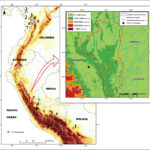
Incilius holdridgei’s geographic range is remarkably narrow, restricted to a small region in Costa Rica’s Central Cordillera, specifically within the rain-soaked slopes of the Barva Volcano in Braulio Carrillo National Park. This location, drenched in mist and verdant foliage, embodies one of the most pristine examples of montane cloud forest habitat anywhere in the tropics.
Cloud Forests—The Amphibian’s Paradise#
Cloud forests represent a fascinating biome where warm tropical air meets cool mountainous altitudes, creating constant condensation and lush vegetation bathed perpetually in mist. This unique habitat offers an abundance of moisture crucial not only for amphibian hydration but also for their reproductive cycles and tadpole development. Here, among moss-covered branches and lush understory vegetation, Holdridge’s toads find refuge, moisture, and abundant prey—an idyllic setting for their adaptations and survival.
Cloud forest microclimates provide the necessary stable humidity and relatively constant cool temperature, facilitating various behaviors and physiological adaptations. However, this highly specialized lifestyle also renders them vulnerable; alterations to cloud cover or humidity regimes can spell disaster for sensitive amphibians such as Incilius holdridgei.
Physical Characteristics#
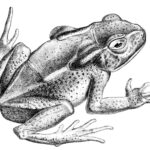
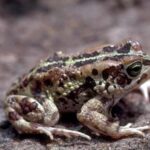
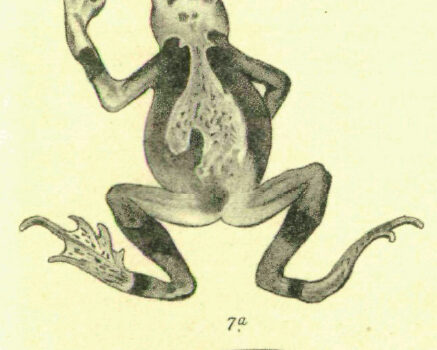
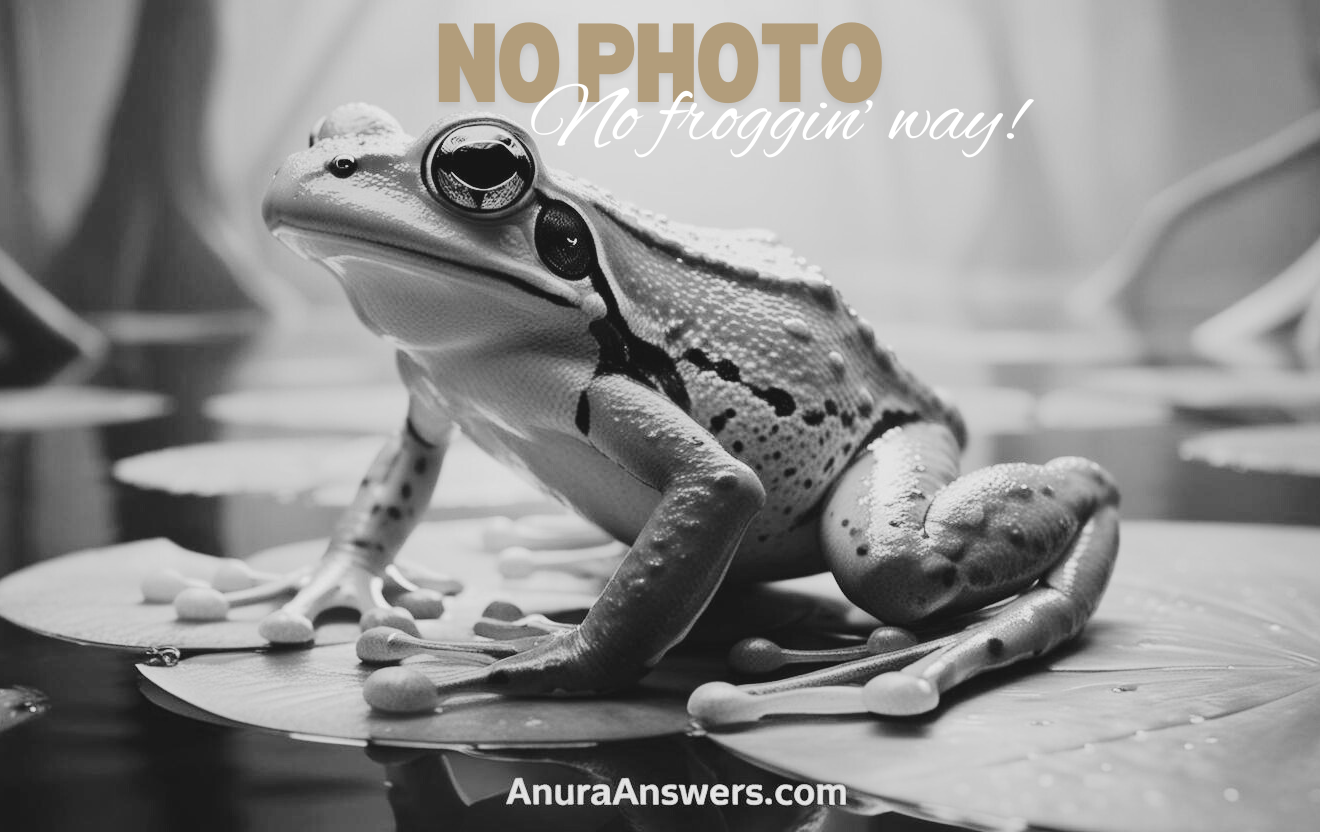
The captivating appearance of Holdridge’s toad immediately sets it apart from common expectations of a typical amphibian. Featuring an intricate mosaic of colors and textures, Incilius holdridgei exemplifies the artistry of natural evolution. Adults of this species measure relatively modest sizes, typically between 40 and 50 millimeters from snout to vent; yet what they lack in size, they more than make up for in distinctiveness.
The toad’s skin ranges from earthy brown to shades of greenish-gray, adorned in mottled patterns that closely mimic patches of moss and lichen clinging to cool, damp forest branches and rocks. This cryptic coloration serves a life-saving purpose, cloaking the toad effectively from potential predators such as birds, snakes, and small mammals. Beneath this textured camouflage lie pronounced glandular warts capable of secreting defensive toxins—further deterring would-be predators.
Facial features accentuate the uniqueness of this amphibian: prominent, expressive eyes with horizontal pupils allow sharp awareness of approaching threats and prey, while a robust body speaks to endurance in a challenging, moisture-rich habitat.
Behavior and Life Cycle#
Foraging Behavior and Diet#
Incilius holdridgei, much like its Bufonidae cousins, actively hunts small invertebrates such as insects, spiders, and arthropods. These amphibians utilize stealth as their hunting method, patiently waiting until prey comes close before swiftly extending sticky tongues to ensnare their meals. Their innate nocturnal behavior suits the cloud forest environment, which becomes alive with insect activity after the darkness falls.
Mating and Reproduction#
Reproduction in Holdridge’s toad coincides with the rainy season, when water bodies temporarily form in the cloud forest. Males gather around small streams, wet depressions, and shallow ponds, collectively creating an auditory spectacle: an enchanting chorus of soft yet insistent croaks. These mating calls serve to attract females, who choose partners based on attributes broadcast vocally or physically.
Female Incilius holdridgei lay their eggs in gelatinous strands attached beneath submerged plant stems and leaves within ephemeral water bodies. There, safe from most predators but exposed to changing conditions, delicate tadpoles emerge. These young inhabitants must quickly grow and metamorphose into juvenile toads before their temporary nurseries dry up. Their developmental cycle thus speaks to remarkable adaptation to the transient nature of their breeding habitat—and underscores their vulnerability to climate fluctuation.
Ecological Role#
As a voracious predator of diverse arthropods, Holdridge’s toad plays a vital ecological role in controlling insect and arthropod populations within the cloud forests, thereby helping to maintain balance within delicate food webs. Moreover, Incilius holdridgei acts as significant prey for larger canopy birds and forest mammals, linking aquatic and terrestrial ecosystems by serving simultaneously as predator and prey.
Beyond predation and prey dynamics, amphibians like Holdridge’s toad are sensitive ecological indicators due to their permeable skin and dependence on moisture-rich habitats. Their presence or absence reflects environmental health, heralding shifts in climate, atmospheric pollution, and habitat degradation. Thus, the plight of Incilius holdridgei signals broader ecosystem health concerns.
Threats and Conservation Status#
Once classified as extinct, the surprise rediscovery of Incilius holdridgei in recent decades filled conservationists with both excitement and urgency. Today, the species is formally listed as Critically Endangered by the International Union for Conservation of Nature (IUCN), highlighting immediate threats to its survival. Chief among these threats include habitat destruction from deforestation, climate change disrupting humidity and rainfall patterns, pollution contaminating breeding sites, and potentially devastating outbreaks of chytrid fungus infecting delicate amphibian skin.
Proactive conservation measures now focus directly on ecosystem protection within the Barva Volcano region, where targeted campaigns aim to preserve critical habitats. Conservationists are establishing monitoring programs to regularly assess population health, conduct research on breeding biology, disease susceptibility, and advocate for broader societal appreciation and preservation of Costa Rica’s irreplaceable biodiversity.
Cultural and Scientific Significance#
Incilius holdridgei may not appear prominently in traditional mythology or folklore, yet its cultural and scientific significance is nonetheless profound. The toad’s rediscovery provides powerful symbolism: a message of hope and a caution against assuming extinction without exhaustive evidence. Researchers highlight its case as an inspiration for concerted conservation efforts across the globe.
Scientifically, Holdridge’s toad serves as an invaluable subject in examining amphibian resilience, adaptation to extreme environmental conditions, and vulnerability to anthropogenic changes. Such studies deepen currents of knowledge regarding amphibian biology, disease sensitivity, and climate resilience, illuminating our understanding of ecosystem-wide interactions and conservation strategies.
Conclusion: A Call to Conservation Action#
The remarkable story of Incilius holdridgei—a tiny toad navigating survival amid misty cloud forests and daunting existential threats—captures more than imagination. It captures the pressing essence of conservation. Each of us who values the intricate web of life must consider our responsibility toward protecting not only charismatic wildlife but also the small, mysterious creatures poised precariously on ecological thresholds.
By learning about Holdridge’s toad, we deepen awareness, foster connection, and strengthen conservation resolve. To help preserve its fragile world, support environmental education, advocate for habitat protection, and champion sustainable practices. Together, we can ensure that Incilius holdridgei continues captivating us from deep within the enchanting cloud forests, a hidden jewel preserved for future generations.