- Introduction: Meet Incilius gemmifer, Nature's Hidden Gem
- Taxonomy and Classification
- Natural Habitat: The Realm Beneath Our Feet
- Physical Characteristics: Jewel-like Elegance in Camouflage
- Behavior and Life Cycle: Tales from the Forest Floor
- Ecological Role: Guardians of Forest Stability
- Threats and Conservation Status: Safeguarding a Quiet Treasure
- Cultural and Scientific Significance: Amphibian Ambassadors
- Conclusion: Cherishing Incilius gemmifer, Our Forest Gem
Introduction: Meet Incilius gemmifer, Nature’s Hidden Gem#
Amidst the dense leaf litter of Central America’s lush tropical forests, a curious creature thrives unnoticed by many travelers. Cloaked in shades of earthy browns and adorned with subtle yet sparkling embellishments, Incilius gemmifer, aptly dubbed the Gem Toad, quietly proclaims its presence with a fascinating blend of subtlety and grandeur.
Bearing a scientific name that speaks to its jewel-like attributes (‘gemmifer’ deriving from Latin, meaning “bearing gems”), Incilius gemmifer belongs to the family Bufonidae—true toads rich in diversity and adaptive wonders. Despite its modest size and unassuming habits, this amphibian symbolizes the often unseen beauty and ecological significance hidden right beneath our feet.
But what exactly makes Incilius gemmifer so intriguing? Let us venture deep into its shaded domain, exploring its life cycle, behaviors, and intricate connection to its ecosystem—an endeavor unveiling the delicate balance and profound beauty of nature itself.
Taxonomy and Classification#
Incilius gemmifer, a member of the Bufonidae family, belongs to the genus Incilius—commonly known as Middle American toads. Initially described scientifically as Bufo gemmifer, scientists later recognized distinct evolutionary traits, reclassifying and refining its placement into the Incilius genus. This toad shares close phylogenetic ties with other incilian species like Incilius valliceps and Incilius mazatlanensis, distinguished predominantly by subtle morphological and behavioral variations.
The genus Incilius represents a notable branch within the diverse Bufonidae lineage, encompassing species adapted to relatively dry forest habitats as well as humid, tropical zones. As we delve deeper into the intriguing aspects of Incilius gemmifer, its intricate evolutionary relationship within the Bufonidae reveals adaptive brilliance crafted by millions of years of selective pressures.
Natural Habitat: The Realm Beneath Our Feet#
A Geographic Journey: Discovering Its Range#
Incilius gemmifer predominantly inhabits the lush lowland areas of Mexico’s Gulf Coast, particularly across Veracruz, Puebla, Oaxaca, and Tabasco. Here, within a mosaic of tropical and subtropical forests, these exquisite toads establish their vibrant yet hidden communities. Occasionally, sightings also occur slightly inland, revealing adaptability to various related terrestrial and semi-aquatic habitats.
Habitat Preferences: Thriving Among Fallen Leaves#
The Gem Toad prefers dense forest environments, rich in organic matter, shaded by towering canopies, and nourished by frequent rainfall. Beneath the cover of fallen leaves, amid moss-covered logs and beneath rotting bark, Incilius gemmifer carves out its niche. The damp, leaf-covered substrates provide optimal humidity levels essential for their sensitive amphibious skin, preventing desiccation and sustaining ideal breeding environments.
Walking gently through their territory, it’s easy to overlook these masters of camouflage. Their discreet coloration perfectly blends into the forest’s earthy palette, only betrayed occasionally by quick, hopping movements. These specialized habitat preferences speak volumes about their evolution, emphasizing a fascinating balance between secrecy and vibrancy.
Physical Characteristics: Jewel-like Elegance in Camouflage#
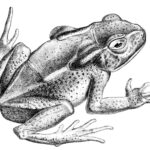
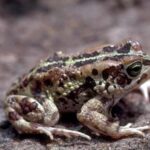
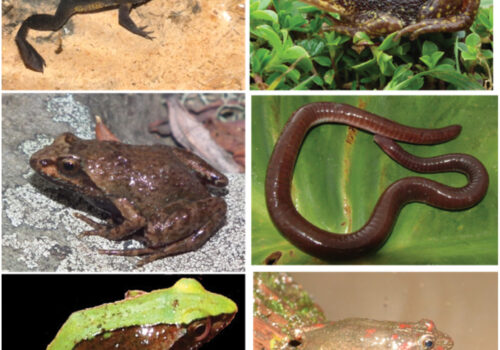
The Gem Toad measures between 4 and 6 centimeters, presenting a stout and robust body structure typical of Bufonidae species. Its rough, textured skin is dotted with small warty projections, each bearing minute glands often producing secretions advantageous in protection against predators. These projections catch flecks of sunlight filtering through the tree canopy, casting a subtle yet mesmerizing shimmer reminiscent of tiny woodland gems.
Their coloration harmoniously mirrors the forest floor—mixtures of muted browns, ochres, olives, and grays interwoven create an intricate, mosaic-like pattern along their backs. Contrastingly, the ventral side often appears lighter, sometimes exhibiting cream or pale yellow hues. Translucent amber eyes, rimmed delicately in gold, provide a captivating glimpse into an animal finely attuned to its surroundings, taking in the subtlest shifts of light and shadows.
These characteristics aren’t merely ornamental—they are careful evolutionary refinements, aiding Incilius gemmifer in predator evasion while efficiently navigating their shaded realms.
Behavior and Life Cycle: Tales from the Forest Floor#
Hunting Beneath the Twilight#
Primarily nocturnal, Incilius gemmifer emerges as twilight settles over the forest, transforming the landscape into a haven bustling with insect activity. Patient ambush predators, these toads position themselves strategically near natural insect corridors. Their diet predominantly comprises investigating insects such as ants, beetles, termites, and arachnids—prey seized swiftly and accurately with their sticky tongues.
Observing an Incilius gemmifer at feeding time is akin to witnessing a small yet riveting performance—silent, precise, with movements infused with elegance and efficient energy conservation. Their nightly feeding expeditions emphasize their crucial role in orchestrating insect population balances within their habitats.
Breeding Secrets: A Seasonal Symphony#
Breeding season, typically timed with rainfall patterns, imbues the forests with an auditory charm. Male Incilius gemmifer congregate near slow-moving streams and temporary water bodies, emitting gentle yet resonant mating calls sounding akin to soft trills and muted chirps. These songs, carried softly through humid air, draw receptive females to specific breeding sites.
The depositing of eggs occurs notably in temporary pools or shallow streams, offering tadpoles refuge from many aquatic predators. The tadpoles, small yet resilient, navigate carefully through water laden with organic detritus, their existence a remarkable transformation from entirely aquatic larvae to terrestrial adults.
Ecological Role: Guardians of Forest Stability#
Incilius gemmifer holds significant ecological roles as both predator and prey, thus firmly embedding itself into the delicate web sustaining forest health. Through controlling insect populations, the Gem Toad curtails potential outbreaks damaging to vegetation and crops in neighboring human communities. Simultaneously, as prey to snakes, birds, small mammals, and invertebrates, these amphibians support robust biodiversity.
Beyond their direct predatory impact, amphibians like Incilius gemmifer function as valuable bioindicators. Their sensitive, permeable skin absorbs water and airborne pollutants readily, making them early communicators of environmental degradation or disturbance. Hence, their presence and health directly reflect holistic ecosystem wellbeing, serving as an essential barometer for conservationists.
Threats and Conservation Status: Safeguarding a Quiet Treasure#
Currently classified as “Least Concern” by the International Union for Conservation of Nature (IUCN), Incilius gemmifer does not yet face imminent extinction threats. Nevertheless, numerous anthropogenic pressures increasingly threaten these critical amphibians globally: rampant deforestation has fragmented habitats crucial to this species, limiting their familiar corridors and breeding sites.
Climate change, pollution, and emerging threats like the Chytrid fungus (Batrachochytrium dendrobatidis) exacerbate risk factors, potentially jeopardizing their long-term survival. Ongoing conservation efforts target maintaining forest connectivity, protecting vital water sources, and monitoring population health through surveys and citizen science initiatives. Raising public awareness about amphibian conservation remains essential to sustaining these enchanting toads and their roles within intricate ecosystems.
Cultural and Scientific Significance: Amphibian Ambassadors#
While Incilius gemmifer lacks widespread traditional cultural symbolism common in more conspicuous species, its scientific relevance remains profound. Amphibians’ physiological sensitivity positions this species ideally for biomonitoring and ecological studies, particularly regarding climate change’s subtle crossover impacts, such as shifting rainfall patterns and ecosystem resilience.
Moreover, amphibian skin secretions continue fascinating scientists, with compounds derived offering potential medicinal applications. Though research centered specifically on Incilius gemmifer remains limited, its relatives in the Bufonidae family have yielded insights into peptides and alkaloids potentially useful in human medicine.
Conclusion: Cherishing Incilius gemmifer, Our Forest Gem#
The enchanting Incilius gemmifer exemplifies how creatures often overlooked can profoundly influence ecological balance, scientific discovery, and our perceptions of the natural world. Every glimpse beneath the layer of leaves, every quiet trill resonating through evening mist, reminds us of its ecological significance, captivating beauty, and conservation value.
As admirers of nature, we possess collective responsibility to elevate understanding and appreciation for creatures like Incilius gemmifer. In preserving its forest habitats, we protect not only this delicate amphibian gem but also the intricate ecological web holding our shared biodiversity together. After all, true discovery begins when we pause, kneel down to the earth, and allow nature’s smallest wonders, like this marvelous toad, to guide us toward deeper understanding and stewardship.