- Exploring the Remarkable Life of Incilius epioticus: Costa Rica’s Hidden Toad Treasure
- Taxonomy and Classification of Incilius epioticus
- Natural Habitat: The Enchanted Forests of Costa Rica and Panama
- Physical Characteristics: Remarkable Adaptations and Subtle Beauty
- Behavior and Life Cycle: Living at the Pace of the Forest
- Ecological Role of Incilius epioticus
- Conservation Status: Quiet Residents Under Threat
- Cultural and Scientific Significance of a Forest Resident
- Conclusion: Celebrating the Quiet Heroes of the Rainforest
Exploring the Remarkable Life of Incilius epioticus: Costa Rica’s Hidden Toad Treasure#
The diverse rainforests and cloud forests of Costa Rica abound with life in every form imaginable: vibrant tropical birds, stealthy jaguars prowling quietly beneath towering canopies, and an orchestra of insects thriving in lush undergrowth. Yet amid this profusion of biodiversity, there are unsung, lesser-known heroes quietly maintaining the delicate balance of their ecosystem—one such fascinating yet rarely celebrated amphibian is Incilius epioticus, a captivating species of toad whose existence is interwoven intimately with the health of its rainforest home.
Commonly overlooked by casual observers and researchers alike, Incilius epioticus hides its secrets in the leaf litter and shaded understory foliage, going about life mostly unnoticed. However, closer examination reveals astonishing adaptation and ecological importance lurking beneath its modest appearance. Before we journey into the lush rainforests of Central America to understand this intriguing creature, consider a rather captivating fact: unlike many other amphibians whose calls may dominate the night air, Incilius epioticus chooses subtlety, giving us reason to delve deeper into its quiet existence.
Taxonomy and Classification of Incilius epioticus#
The scientific voyage to classify and understand biodiversity is a meticulous undertaking. Incilius epioticus, originally described scientifically as Bufo epioticus, belongs to the Bufonidae family—a diverse and widespread group known commonly as true toads. Within this expansive family, our subject toad falls under the genus Incilius, an intriguing genus of small, ground-dwelling toads native primarily to Central America.
Incilius epioticus shares close relations to species such as Incilius periglenes (the famously extinct golden toad) and Incilius coniferus, occasionally inhabiting overlapping territories. Taxonomic revisions in recent years have helped clarify these relations, underscoring the subtle evolutionary nuances shaping each species’ unique characteristics.
Natural Habitat: The Enchanted Forests of Costa Rica and Panama#
In the vast emerald expanses of Costa Rica and adjacent regions of Panama, Incilius epioticus finds comfortable sanctuary. Predominantly located within lowland and premontane rainforests, their habitats span elevations ranging from sea level to roughly 1,500 meters. It’s here, in ecosystems knit together by tangled roots, ancient trunks, and interwoven canopy layers, that Incilius epioticus has evolved quietly to perfection.
Subtle Masters of the Forest Floor#
These toads prefer habitats with abundant leaf litter, dense understory vegetation, shaded streams, and damp forest floors. The moist conditions offer refuge from dehydration—a lethal threat for amphibians—and camouflage from a host of predators. Slow-flowing streams and pools serve not only as breeding grounds, but also as hydration stations where toads gather regularly during drier seasons.
Observing an Incilius epioticus is often an exercise in subtlety. They blend seamlessly into their surroundings, nestled among fallen leaves, moss-covered logs, and loose soil, their cryptic coloration acting as powerful camouflage amidst the shifting shadows of the forest canopy. This ecological niche allows them to remain discreet yet highly effective predators of small invertebrates, including ants, termites, beetles, and spiders, concretely anchoring their role within this delicate ecosystem chain.
Physical Characteristics: Remarkable Adaptations and Subtle Beauty#
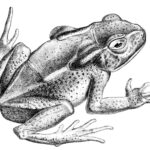
The modest beauty of Incilius epioticus lies within its perfectly crafted adaptation to the arboreal shadows below the vast rainforest canopy. Adults typically measure from 3 to 6 centimeters in length, making them relatively small compared to other toad species. Their bodies are stout and sturdy, characteristic of true toads, with a slightly warty texture designed for defense against predators.
A Tapestry of Colors for Camouflage#
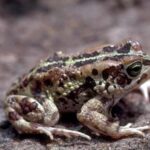
Intricately patterned skin varying from deep browns and olives to subtle shades of gray lets them dissolve into the leaf litter effortlessly. Darker bands or blotches streak their backs delicately, resembling spots and veins on a weathered leaf or fallen bark. This cryptic coloration, combined with their usually subdued behavior, helps them to conceal their presence from potential threats, emphasizing the evolutionary advantage of subtlety in a world teeming with hungry eyes.
Adaptations for Survival#
Distinctive parotoid glands, hallmark structures just behind the eyes and on each side of the head, secrete mild toxins essential for deterring potential predators. Although their toxin isn’t at the level of more infamous amphibians, it provides sufficient deterrence against most potential predators, imparting critical survival advantage to guide them quietly through the jungle nights without drawing attention.
Behavior and Life Cycle: Living at the Pace of the Forest#
The quiet demeanor that characterizes Incilius epioticus by day transforms subtly at night, as these remarkable creatures become more active under cover of darkness. Much like other toads, they begin nocturnal hunts for insects among forest floors, displaying slow-moving yet effective stalking and ambush techniques. They sense prey through a refined combination of vision and vibration detection, their diets meticulously selected to reflect the available arthropods encountered within these rich forest habitats.
Breeding and Reproduction#
When rainy seasons return and moisture rejuvenates their environment, Incilius epioticus gradually shifts to breeding behavior. Male toads gather around shallow pools and gently-flowing streams, vocalizing softly yet consistently as they advertise their presence to potential mates. Despite their relative quietness compared to other frog orchestras of dense tropics, these muted mating calls hold a hypnotic melody against the nocturnal forest soundscape.
Upon successful mate selection, the female produces egg clusters delicately deposited amid submerged vegetation or secured along exposed tree roots protruding into the water. The resulting tadpoles, well-adapted for life submerged in shaded, slow-flowing waters, feed primarily on algae and detritus until metamorphosis transforms them gradually into tiny, juvenile versions of their mature selves, climbing ashore as newly minted terrestrial residents.
Ecological Role of Incilius epioticus#
Quiet though they seem, these toads perform remarkably important ecological functions. They diligently control insect populations within their territory, targeting pest species and thereby participating in regulating the diverse arthropod communities that populate their habitats. Additionally, Incilius epioticus forms an essential component in the diet of larger forest predators such as snakes, larger amphibians, birds, and small mammals, cementing their role as an indispensable link in complex rainforest food webs.
Conservation Status: Quiet Residents Under Threat#
The International Union for Conservation of Nature (IUCN) currently lists Incilius epioticus as Least Concern, due primarily to their relatively widespread distribution and presence in several protected natural areas. However, this seemingly secure status belies growing threats.
Accelerating habitat loss due to deforestation, agriculture expansion, climate change-induced shifts in rainfall patterns, and environmental contamination are incremental pressures placing immense stress on countless amphibians. As bioindicators, sensitive amphibian populations mirror the health of their habitats—highlighting the critical need for conservation vigilance and habitat preservation even when species appear common or secure.
Cultural and Scientific Significance of a Forest Resident#
Incilius epioticus, although less charismatic or spectacular compared to iconic rainforest megafauna, nonetheless embodies the quiet resilience and importance inherent to ecosystems’ supporting actors. Understanding their biology and ecology illuminates broader questions about climate resilience, evolutionary adaptations, and ecosystem integrity. While fostering deep ecological knowledge, this species also indirectly raises awareness and appreciation for amphibian diversity and vulnerability globally.
Conclusion: Celebrating the Quiet Heroes of the Rainforest#
Far from the flashiness of label species garnering widespread popularity among conservationists and wildlife enthusiasts alike, Incilius epioticus represents Costa Rica and Panama’s richly biodiverse tropical rainforests as a quiet yet indispensable symbol, subtle yet profound.
Let’s remember, appreciating biodiversity often requires embracing quiet wonders hidden amidst the abundance. By supporting informed conservation, habitat protection, and sustainability, each of us can contribute meaningfully to ensuring that Incilius epioticus and countless subtle rainforest inhabitants continue to enrich our world through their quiet yet vibrant presence.