- Uncovering the Secrets of the Incilius cycladen: The Enigmatic Mexican Pine Toad
Uncovering the Secrets of the Incilius cycladen: The Enigmatic Mexican Pine Toad#
Hidden beneath the lush layers of pine-oak forests in Oaxaca, Mexico, lies a creature whose elusive nature is matched only by its quiet charm—the Incilius cycladen. Known commonly as the Mexican Pine Toad, this amphibian quietly inhabits its unique niche, playing an integral yet understated role in maintaining ecosystem balance. Rarely seen, and even less commonly understood, this small, cryptic frog offers fascinating glimpses into the delicate dance between habitat preservation and species survival. Join us on a journey deep into the remarkable life, hidden behaviors, and growing conservation story surrounding Incilius cycladen.
Taxonomy and Classification#
The Incilius cycladen belongs to the Bufonidae family, a diverse group of species commonly referred to as true toads. Within its genus, Incilius represents a lineage of toads adapted primarily to neotropical environments, each species evolving unique traits to suit their respective habitats.
First scientifically described in 1966 by renowned herpetologists Mendelson and Mulcahy, Incilius cycladen was initially classified as a species under the genus Bufo before taxonomic revisions transferred it to its current genus. This taxonomic shuffle underscores the complexity and evolving understanding of amphibian diversity in Latin America.
Closely related to other Incilius toads, such as Incilius occidentalis and Incilius nebulifer, the Mexican Pine Toad nonetheless possesses distinct anatomical and ecological adaptations setting it apart as a unique inhabitant of Mexico’s forest ecosystems.
Natural Habitat#
A Hidden Dweller of Pine-Oak Forests#
Incilius cycladen makes its home exclusively within select pine-oak forest ecosystems in the Mexican state of Oaxaca. These high-altitude habitats—featuring a mosaic of towering pines, massive oak trees, and an abundant understory of leaf litter—provide ideal sanctuary for the shy Mexican Pine Toad.
Arrays of decayed leaves, logs, and the moisture-rich microhabitats beneath rocks serve as its preferred abode, offering refuge from predators and suitable hunting grounds for prey. In these quiet, shaded corners, where sunlight trickles sparingly through the dense canopy, Incilius cycladen thrives, largely unnoticed yet intricately entwined with the forest’s rhythms.
The specific climate, altitude, and soil moisture patterns found in Oaxaca’s forests align precisely with the species’ ecological needs—the wet and dry season fluctuations cue their life cycle phases, while consistent humidity ensures adequate skin hydration, a crucial factor for amphibian survival.
Physical Characteristics#
A Master of Camouflage and Quiet Elegance#
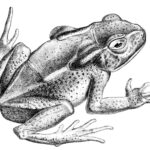
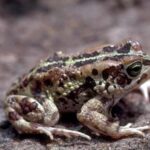
At first glance, the Incilius cycladen exhibits a relatively modest appearance, its colors and textures blending effortlessly with the mottled surfaces of its forest floor habitat. Adults typically measure between 4-6 centimeters, compactly shaped, sporting stout bodies with proportionally short limbs optimized for terrestrial living.
The Mexican Pine Toad’s coloration varies from subdued brown to grayish-green tones, frequently marked with scattered darker spots or blotches. Its rough, bumpy skin provides perfect camouflage, allowing the toad to vanish amid the leaf litter and forest debris seamlessly. From above, it resembles nothing more remarkable than a small, mossy stone or fallen leaf, a trait critical to its survival strategy.
Its eyes, positioned prominently toward the sides of its broad head, are meticulously adapted to detect predators and prey from numerous angles—a vital adaptation for life on the forest floor.
Behavior and Life Cycle#
Nocturnal Wanderings and Soft-Spoken Calls#
Incilius cycladen’s mysterious nature is deeply linked to its nocturnal activity patterns. Emerging at dusk from cozy daytime hideaways beneath damp vegetation and litter, individuals set off into the humid night in stealthy pursuit of insects, spiders, and other small invertebrates.
Their feeding strategy relies substantially on patience and stealth. Unlike many active predators, these toads prefer an ambush method, settling silently among shadows, waiting calmly for prey to wander within striking range. Upon detecting movement, their sticky tongues dart out swiftly, capturing prey with remarkable accuracy.
Reproduction among Mexican Pine Toads typically corresponds with seasonal rains. When precipitation saturates the forests, filling ephemeral pools and streamlets, the males produce gentle, trilling vocalizations—a serenade distinctly mild compared to the loud choruses of other frog species. These muted calls, often mistaken for soft insect buzzes, draw females to breeding sites where eggs are quickly and silently deposited into shallow, temporary aquatic habitats.
The Transformation: From Tadpole to Toad#
Incilius cycladen tadpoles develop rapidly, a vital adaptation in response to the fleeting nature of temporary water bodies. Tadpole life is a precarious chapter fraught with risks—from predation by insects and birds to the urgency of developing fully before their aquatic habitats vanish. Within mere weeks, tadpoles transform dramatically, growing limbs, losing their tails, and morphing into miniature terrestrial replicas of their adult counterparts.
This accelerated life-cycle underscores remarkable adaptability; each metamorphosis heralds the fortification of the next generation of Mexican Pine Toads, ensuring continuity despite environmental uncertainty.
Ecological Role#
A Subtle Yet Crucial Ecosystem Engineer#
The ecological storytelling embodied by Incilius cycladen unfolds quietly yet distinctly beneath the forest canopy. As resilient insectivores, these toads help regulate insect populations, contributing to both forest stability and human agricultural interests close by. Their diet of arthropods aids in controlling pest species, indirectly supporting larger ecological processes.
Simultaneously, they provide crucial prey resources for predators such as snakes, birds, and small mammals. Their presence is intricately linked to healthy predator-prey cycles, demonstrating a finely balanced ecological narrative unfolding silently under foot.
Furthermore, amphibians like Incilius cycladen are indicator species. Their permeable skin and dual aquatic-terrestrial life cycle uniquely position them to respond rapidly to environmental stress such as pollution, habitat degradation, or climatic fluctuations. Thus, the health and abundance of this species can offer critical insights into habitat quality and guide conservation action.
Threats and Conservation Status#
Struggling Against Habitat Loss and Environmental Threats#
Presently, Incilius cycladen is categorized by the International Union for Conservation of Nature (IUCN) as Near Threatened. Steady loss and fragmentation of Oaxaca’s pine-oak forests due to agricultural expansion, logging, and infrastructure development severely threatens this amphibian’s habitat integrity. Without its uniquely adapted wooded habitats, the species finds itself increasingly cornered—with limited alternatives for refuge and survival.
Add in climate change effects—irregular precipitation patterns, altered humidity, and temperature variability—and the plight of the Mexican Pine Toad becomes increasingly pronounced. Amphibian populations worldwide face emerging diseases such as chytridiomycosis, and although incidence data specific to Incilius cycladen remains sparse, concern persists about susceptibility to such diseases exacerbated by environmental stress.
Steps Toward Protection and Restoration#
Fortunately, growing recognition of the ecosystem’s vulnerability has catalyzed conservation efforts throughout Oaxaca. Biologists, nonprofit organizations, and local communities are progressively cooperatively establishing protected areas, implementing habitat restoration, and fostering environmental awareness campaigns emphasizing the regional importance of endemic species like Incilius cycladen. These conservation actions represent essential steps for preventing further population declines and sustaining this elusive toad’s ecological role.
Cultural and Scientific Significance#
The cultural symbolism surrounding Incilius cycladen, while not widely publicized, quietly permeates local indigenous traditions. Native communities occasionally regard amphibians as symbols of renewal and transformation, acknowledging their profound connection to rain cycles and forest health. Highlighting these cultural interconnections provides powerful avenues for promoting appreciation and harnessing community involvement in amphibian conservation.
Scientifically, studying the Mexican Pine Toad provides valuable insights into evolutionary biology, ecology, and conservation strategies. Understanding their precise habitat requirements and vulnerabilities strengthens broader ecological restoration and management strategies applicable to other species sharing similar habitats.
Conclusion: Conserving the Quietly Remarkable Incilius cycladen#
Incilius cycladen may spend its life largely unnoticed amid leaf-litter shadows, but its quiet existence waves a crucial ecological banner deserving our attention. Protecting this enigmatic toad means safeguarding a tapestry of habitats, species, and natural processes essential to Oaxaca’s forest ecosystems. Through continued research, mindful conservation, and community engagement, we ensure that this humble yet important species continues to thrive quietly beneath our collective vigilance.
Together, let’s commit ourselves to unraveling the mysteries, celebrating the wonders, and conserving the future of Incilius cycladen, Oaxaca’s exceptional Mexican Pine Toad.