The Evergreen Toad: Unveiling the Secrets of Incilius coniferus#
The tropical forests of Central America harbor a remarkable diversity of amphibians, each uniquely adapted to thrive within complex ecosystems. Among these fascinating creatures, the Evergreen Toad (Incilius coniferus) emerges as an intriguing resident, making its quiet life amidst leaf-dappled trails, shady understories, and vibrant forest canopies. Unassuming at first glance, this intriguing amphibian conceals an array of remarkable secrets—from hidden toxins to intricate ecological roles—that captivate nature enthusiasts and scientists alike.
Often recognized by its rugged appearance and distinctive coloration, the Evergreen Toad may at first seem deceptively ordinary. However, beneath its humble camouflage lies a fascinating story of adaptation, resilience, and ecological harmony. With populations spanning from Nicaragua through Costa Rica and into parts of Panama and Colombia, this sturdy little amphibian epitomizes an evolutionary success story relevant both for naturalists fascinated by biodiversity and conservationists dedicated to protecting fragile habitats.
Before we delve deeper into the lush realm of Incilius coniferus, let’s explore the fundamental scientific facts shaping our understanding of this extraordinary amphibian.
Taxonomy and Classification#
Scientifically named Incilius coniferus, this species belongs to the Bufonidae family, commonly known as the true toads. Within this expansive family—which houses nearly 600 described species globally—Incilius represents a relatively modest, though distinctive, genus that includes around 39 recognized species. Initially classified under the genus Bufo, recent taxonomic revisions based on detailed morphological and genetic analyses have repositioned many toads into newly defined genera, including Incilius.
The reclassification highlights the intricate diversity found even within seemingly similar creatures. Crucially, these adjustments in nomenclature reflect our growing understanding of evolutionary relationships and genetic lineages, helping researchers better manage and understand conservation needs. Closely related Incilius species, such as Incilius valliceps (Gulf Coast Toad), illustrate variations adapted to different environments, underscoring the importance of observing taxonomy closely to implement effective conservation measures.
Natural Habitat#
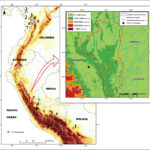
The Evergreen Toad showcases a prominent preference for humid, lowland tropical forests predominantly on the Caribbean slopes of Central America. Its range extends noticeably from southeastern Nicaragua, across the lush forests of Costa Rica, down through parts of northern Panama and into northwestern Colombia. Here, within these moisture-laden landscapes, Incilius coniferus inhabits primarily tropical moist forests, secondary growth areas, forest clearings, river and stream edges, and frequently ventures into cultivated or disturbed habitats, demonstrating a remarkable adaptability.
Picture yourself wandering along a shadowed, muddy forest trail beneath dense, emerald foliage. Trees tower above, filtering sunlight into soft beams that illuminate patches of moss-covered stones and decaying leaves. Such is the favored microhabitat of the Evergreen Toad, thriving undercover amidst leaf litter, fallen bark, and exposed tree roots. These damp, shaded ground layers provide optimal humidity, protection from predators, and abundant insect prey.
Additionally, Incilius coniferus occasionally climbs onto low vegetation, taking advantage of elevated vantage points both to avoid floods during heavy rains and to seek prey actively. Observing respectful silence, a patient observer may glimpse one diligently perched upon a broad leaf or quietly awaiting its next meal near a rushing stream.
Physical Characteristics#
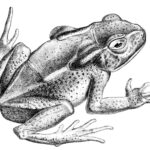
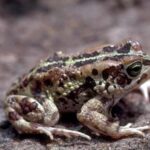
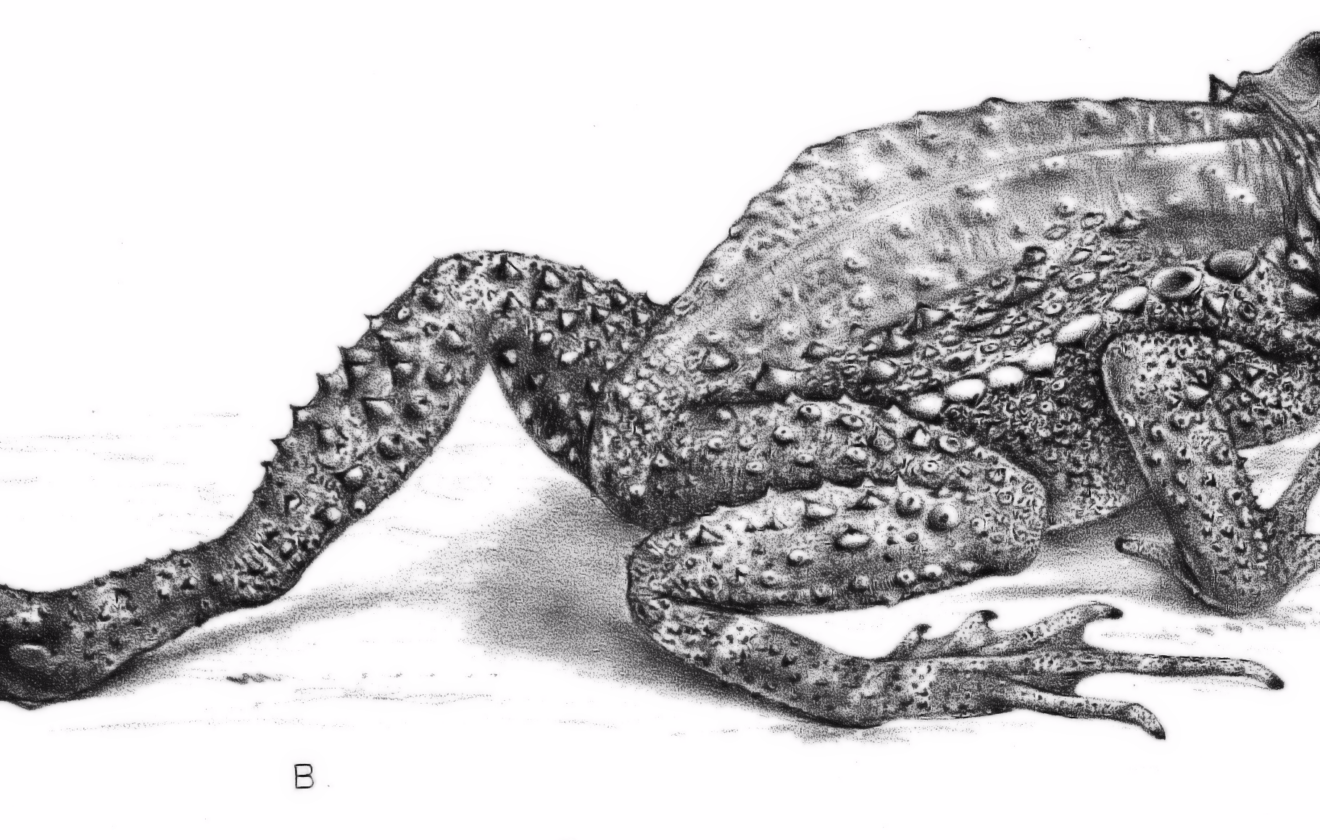
The Evergreen Toad appears robust and somewhat rugged, immediately recognizable by its distinctive warty skin texture. Typically measuring between 45-90 millimeters (approximately 1.7-3.5 inches), it occupies the medium size-range amongst its widespread relatives. Its relatively stout body, textured with prominent granular lumps or tubercles, lends itself to the common epithet “pine toad,” referencing the nutty or coniferous look of its bumpy dorsal surface.
Coloration varies noticeably among individuals. Generally, adults exhibit shades of olive green, brown, chocolate brown, or dark gray, often mottled with irregular patterns and blotches. The earthy tones and granular texture blend impeccably with fallen leaves, decaying bark, and forest litter, granting it effective camouflage—an evolutionary gift against ever-watchful predators.
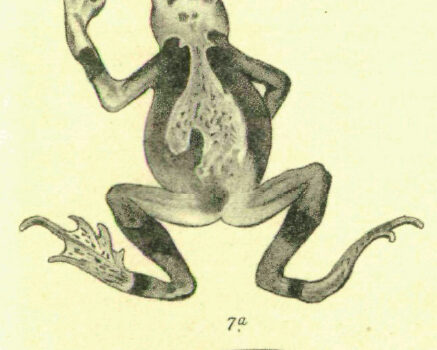
A closer look reveals darker markings or bands along the back and legs, with occasional sightings exhibiting striking reddish hues or rusty blotches, particularly near the back of the limbs. Brightly colored specimens, although uncommon, evoke a sense of wonder and fascination among observers.
Beneath the superficial warty appearance lies another important anatomical feature—the prominent parotoid glands positioned behind the eyes. These glands secrete potent toxins, serving as a chemical shield, and safeguarding this modest amphibian from would-be predators. Such fascinating physical attributes greatly contribute to the species’ resilience and survival.
Behavior and Life Cycle#
Feeding Habits and Hunting Behavior#
The Evergreen Toad is an opportunistic predator, primarily feeding on a diverse range of terrestrial invertebrates—ants, beetles, spiders, termites, worms, and various insects constitute the staples of this generalist diet. Blessed with acute vision and sensitive auditory senses, it patiently remains motionless beneath leaf litter or atop low vegetation, quietly monitoring its surroundings until prey wanders within range.
A quick lunge powered by its muscular hind limbs ensures successful capture. Its sticky tongue adeptly secures even the swiftest prey items, after which it swallows its meal whole, displaying behavior quintessentially typical of amphibians.
Reproduction and Development#
The reproductive cycle of Incilius coniferus aligns closely with seasonal rainfalls. Breeding typically occurs during periods of heavy rains, when numerous individuals journey towards temporary bodies of freshwater—ephemeral pools, shallow brooks, and rain-filled depressions. Male Evergreen Toads produce prolonged, rhythmic mating calls consisting of melodious trills echoing through the humid night air, seeking to attract receptive females.
Females, upon responding to these choruses, select suitable partners. After mating via amplexus (male grasping the female tightly from behind), females deposit strings of gelatinous eggs in shallow water. These egg strands coil delicately onto submerged vegetation, a mesmerizing sight embodying nature’s artistry.
Tadpoles hatch within days and undergo rapid growth, feeding voraciously on microbial films and algae. As they mature, tadpoles exhibit increased mobility, allowing quick navigation through their aquatic nursery, evading predators, and capitalizing on food availability. After several weeks, remarkable physiological transformations occur, resulting in fully developed juvenile toads emerging onto land, leaving their aquatic birthplace forever behind.
Ecological Role#
In their lush rainforest homes, Evergreen Toads fulfill pivotal ecological roles. As prolific insectivores, they provide natural biological controls, regulating insect populations within the ecosystem. Their feeding habits contribute significantly by impacting pest populations, indirectly benefiting agricultural plantations and rural habitats found throughout regions where the species persists.
Furthermore, Evergreen Toads themselves form a vital food source for numerous predators—birds, mammals, snakes, and even other amphibians occasionally prey upon this species, demonstrating its crucial linking position in rainforest food webs.
Amphibians like Incilius coniferus also serve as sensitive bioindicators. Their permeable skin makes them particularly vulnerable to environmental changes—pollution, habitat destruction, climate variations—thus serving as a valuable “early warning” signal on ecosystem health.
Threats and Conservation Status#
Currently, the Evergreen Toad holds the status of “Least Concern” according to the International Union for Conservation of Nature (IUCN). Its broad distribution, adaptability, and relatively stable populations provide hope amidst grim declines observed in other amphibian species worldwide.
Nevertheless, ongoing threats remain prevalent—habitat loss and fragmentation arising primarily from deforestation, expanding agricultural operations, palm oil plantations, urban developments, and infrastructure growth pose long-term pressures. Rapid climate shifts also pose worrisome implications for temperature-sensitive amphibians, potentially disrupting breeding cycles and available habitats in the future.
Conservation organizations prioritize habitat preservation, public education campaigns, and research funding, working diligently to monitor and mitigate adverse impacts. Community-involved conservation programs effectively combine local expertise with scientific knowledge to foster sustainable coexistence.
Cultural and Scientific Significance#
Though less prominent culturally than iconic species such as poison dart frogs, Incilius coniferus holds an understated place within local ecosystems and communities. In scientific studies, it continues to offer valuable insights—researchers actively studying its toxin chemistry, adaptive strategies, and responses to environmental stress recognize its intrinsic value.
Conclusion: A Call to Preserve and Cherish#
The humble yet captivating Evergreen Toad symbolizes the unparalleled biodiversity of Central America’s tropical forests. As stewards of our shared planet, let us champion conservation efforts, appreciation, and awareness surrounding such remarkable species. Through committed conservation action and sustained engagement, we can ensure the melodious trills and distinctive silhouettes of Incilius coniferus mark Central American rainforests for generations to come.