Duttaphrynus kotagamai: The Hidden Jewel of Sri Lanka’s Rainforests#
Among the shadowed thickets and vibrant foliage of Sri Lanka’s lush rainforests lives a humble amphibian whose subtle presence belies its ecological significance: Duttaphrynus kotagamai, commonly known as Kotagama’s dwarf toad. Named in honor of Sri Lankan conservation legend Sarath Kotagama, this elusive amphibian remained hidden from science for many years before its official description in 1994. Though modest in appearance, its quiet elegance and fascinating adaptations captivate naturalists and conservationists alike.
Often overshadowed by more charismatic megafauna like leopards or elephants, amphibians such as the Duttaphrynus kotagamai perform critical ecological functions and serve as sensitive indicators of environmental health. The delicate tapestry of Sri Lanka’s forest ecosystem relies profoundly on these seemingly inconspicuous creatures. Thus, understanding their biology, ecology, and conservation status is crucial not only for protecting their populations but also safeguarding the biodiverse landscapes they call home.
Taxonomy and Classification#
Duttaphrynus kotagamai belongs to the family Bufonidae, colloquially referred to as true toads. Bufonidae includes more than 500 species globally and boasts members capable of colonizing diverse habitats—from tropical rainforests to agricultural lands and even urban settings. Specifically classified within the genus Duttaphrynus, Kotagama’s dwarf toad shares this genus with several South Asian species, demonstrating close evolutionary ties with congeners such as Duttaphrynus melanostictus, the widely distributed common Asian toad.
However, it’s important to clarify that, despite superficial similarities, Duttaphrynus kotagamai’s ecology, distribution, and biology distinguish it significantly from its better-studied cousins. Its genetic uniqueness makes the species crucial for understanding Sri Lankan amphibian biodiversity and evolutionary processes that shaped regional habitats.
Natural Habitat#
Duttaphrynus kotagamai is a species that epitomizes habitat specialization. Predominantly documented in forested regions within Sri Lanka’s wet zone, this charming dwarf toad favors moist, leaf-covered forest floors and humid environs beneath shady canopies. The species has specifically been recorded in regions such as the Sinharaja Forest Reserve, Kitulgala, and surrounding humid lowland ecosystems, thriving amidst undisturbed secondary forests rich in shaded undergrowth and plentiful organic matter.
Secrets of the Leaf Litter#
Walking through the moist hollows and dense undergrowth of these forests, one can sense nature’s rhythm, soft droplets cascading lazily from canopy leaves to the shadowed underbrush. It is precisely here, where daylight struggles to reach the earth, that Duttaphrynus kotagamai finds its comfort. Beneath the leafy layers, rich ecological activity transpires—rotting leaves nurture fungi, insects, worms, and other invertebrates, providing ample and diverse feeding opportunities essential to this amphibian’s survival.
This habitat preference is not merely coincidence but represents a finely tuned evolutionary strategy allowing these frogs to avoid predators, maintain moisture levels required for skin respiration, and sustainably access their preferred food sources. Unfortunately, this strong affinity for pristine habitats renders Duttaphrynus kotagamai highly susceptible to habitat degradation, suggesting why rigorous protection of natural reserves remains critical.
Physical Characteristics#
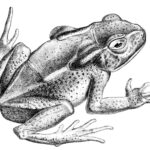
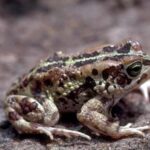
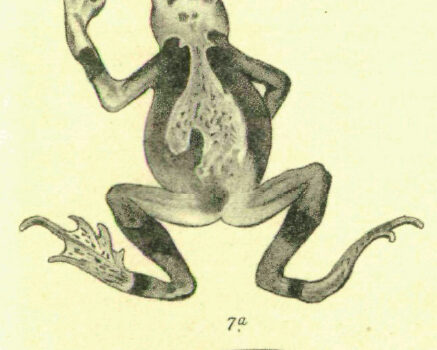
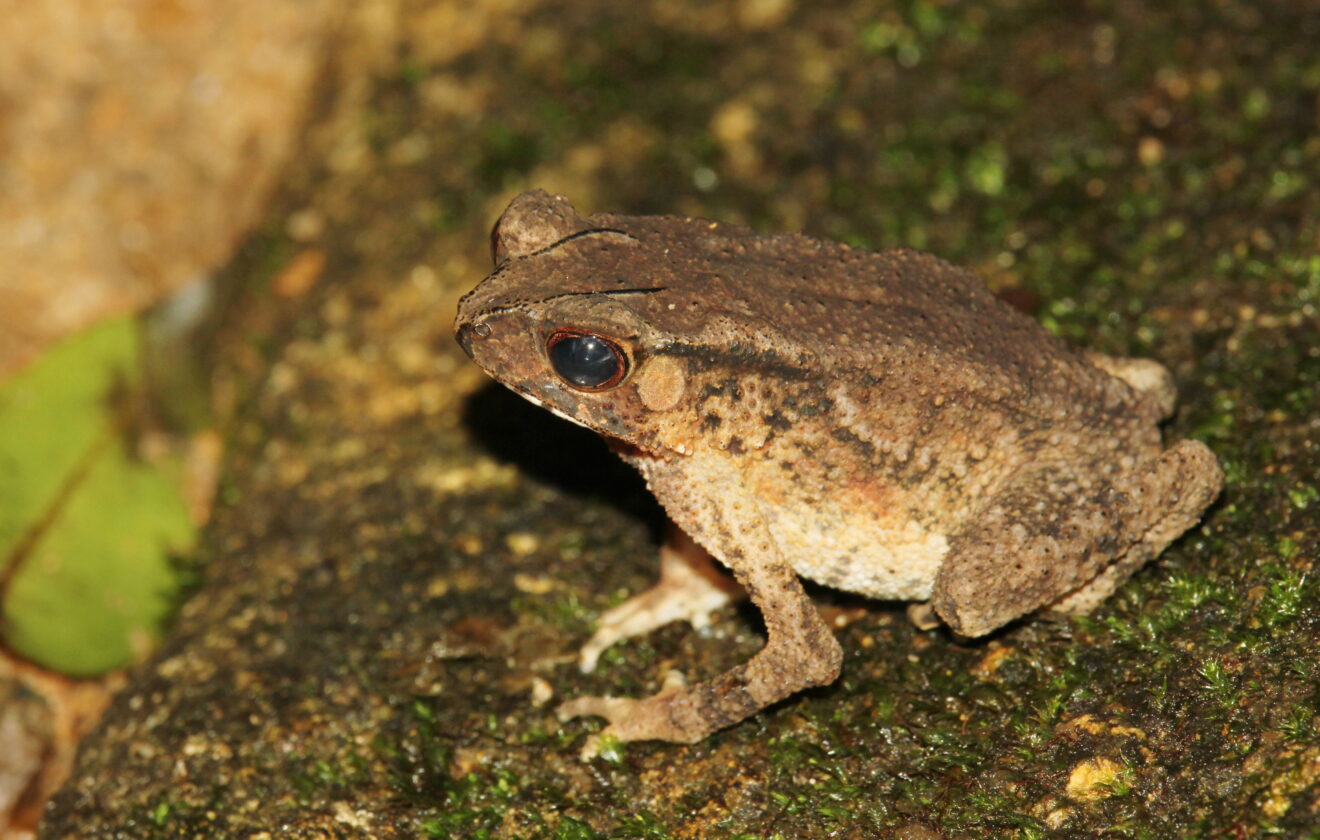
Duttaphrynus kotagamai is notably small-bodied, a trait commonly observed in rainforest-adapted amphibians. Adults typically reach only about 20-35 mm in length, fitting comfortably on a human thumb. Despite their diminutive stature, these toads exhibit a charming yet subtle beauty. Their coloration varies deceptively—often blending seamlessly with shades of brown, olive, and rust to camouflage expertly among fallen leaves and damp earth.
Adaptive Beauty: Camouflage and Survival#
Each Kotagama’s dwarf toad is intricately patterned, its mottled skin providing an impeccable imitation of the leaf-litter mosaic beneath their forested resort. Light brown dorsal surfaces, adorned with irregular, darker patches, assist incredibly in evading avian and reptilian predators that wander forest floors. Additionally, their skin texture, comprising minute wart-like glands, not only helps break up their silhouette but also facilitates effective moisture retention, a crucial adaptation for life in the rainforest.
This combination of size, coloration, and texture not only makes for fascinating exploration on field expeditions but also depicts nature’s profound creativity in engineering survival techniques through millions of years of evolution and adaptation.
Behavior and Life Cycle#
Like many amphibians resident in tropical forests, Duttaphrynus kotagamai exhibits fascinating reproductive and behavioral adaptations to thrive in moist habitats. Primarily nocturnal to avoid desiccation threats and overheating risks from sunlight, these tiny toads venture forth after dark, scouring the leaf litter for insects, spiders, and various small arthropods.
A Forest Symphony: Communication and Mating#
Perhaps the most engaging aspect of their behavioral repertoire involves courtship and mating rituals. When breeding season commences with the onset of heavy seasonal rains, males position themselves within adequately humid spots, releasing a delicate yet distinguishable trilling call. Though not as loud or prominent as other rainforest amphibians, these gentle choruses harmonize beautifully, adding depth to the rich nocturnal soundscapes of the Sri Lankan forests.
Upon successful mating, the female lays gelatinous egg masses within shallow, temporary pools formed from intense monsoon rains, quiet streams, or leaf-filled puddles. The eggs hatch into tiny tadpoles adapted deftly to ephemeral aquatic habitats and undergo rapid metamorphosis as these lead-pools dry out, highlighting another remarkable evolutionary adaptation to seasonal water patterns.
Ecological Role#
Despite their modest size, Kotagama’s dwarf toads make significant contributions to their ecosystem. Amphibians like Duttaphrynus kotagamai regulate insect populations, consuming hundreds of arthropods, effectively controlling pest insects and playing a pivotal role in nutrient cycling and food chain stability within ecosystem balance.
Ecosystem Sentinels: Indicators of Environmental Health#
Amphibians worldwide serve as indicators of environmental quality, their thin, permeable skin rendering them highly sensitive to environmental changes like pollution and microclimate alterations. Consequently, their declining numbers or disappearance from previously occupied habitats may warn scientists and conservationists about larger ecological disturbances, reinforcing the need for vigilant studies around species like Duttaphrynus kotagamai.
Threats and Conservation Status#
Due to its limited geographical distribution and highly specialized habitat preferences, Duttaphrynus kotagamai faces increasing risks from habitat destruction, deforestation, agricultural expansion, and environmental disturbances. Furthermore, climate change introduces unpredictable rainfall patterns, potentially disrupting the sensitive breeding cycles crucial to maintaining healthy populations.
The International Union for Conservation of Nature (IUCN) currently categorizes Duttaphrynus kotagamai as an Endangered species, emphasizing urgent need for proactive conservation. Sri Lankan authorities and international conservationists actively promote protected areas such as Sinharaja and explore measures, including reforestation initiatives, environmental education outreach, and community-based conservation programs, to assist this species’ continued survival.
Cultural and Scientific Significance#
Duttaphrynus kotagamai symbolizes the ecological diversity and conservation heritage of Sri Lanka. Named after Dr. Kotagama, a respected conservation educator whose dedicated work has inspired numerous Sri Lankans to conserve their rich biodiversity heritage, this amphibian fosters national pride and biodiversity awareness within the country.
From a scientific standpoint, understanding the biology and monitoring populations of Duttaphrynus kotagamai increases understanding about evolutionary biology, habitat health, and assists broader amphibian conservation strategies. Research on species-specific toxins, immune systems, and reproductive strategies also promises valuable scientific and medical insights.
Conclusion#
Though humble, small, and seldom glimpsed, Duttaphrynus kotagamai carries an outsized importance within Sri Lanka’s natural heritage and global biodiversity. Its continued existence intertwines profoundly with broader conservation challenges and opportunities in the rainforest ecosystem. By cherishing, understanding, and actively protecting this elusive amphibian, we commit to preserving the fascinating tapestry of life inhabiting Earth’s majestic, mist-covered rainforests—a tapestry on which, ultimately, our own lives depend.