Introduction#
In the mist-laden hills and verdant forests of Nagaland, India, a small creature quietly plays its crucial role, mostly unnoticed by human eyes. The Nagaland toad, scientifically known as Duttaphrynus nagalandensis, is a remarkable member of the amphibian world, cloaked in the humid shadows of its mountainous domain. Belonging to the family Bufonidae—commonly known as true toads—this species carries not only ecological importance but also tells a story of biodiversity unique to northeastern India.
First formally described quite recently, the story of Duttaphrynus nagalandensis is part of the broader narrative of exploration and discovery within India’s biodiversity-rich northeast. With its distinctive appearance and behaviors, this species offers scientists valuable insights into evolutionary adaptations and environmental health. Yet, surprisingly little-known even among wildlife enthusiasts, this tiny amphibian still holds secrets awaiting discovery.
Taxonomy and Classification#
To properly appreciate the importance of the Nagaland toad, it helps to step briefly into the world of taxonomy. Classified scientifically as Duttaphrynus nagalandensis, it sits comfortably within the Bufonidae family, often termed true toads, distinct from the myriad other families within amphibians.
The genus Duttaphrynus, first elevated from its previous genus (Bufo) in the early 21st century, houses numerous closely related species that are endemic or closely adapted to the Indian subcontinent. Among these, the Nagaland species is relatively new scientifically, having only been described clearly in recent years through rigorous field studies. Its closest cousins include species like Duttaphrynus melanostictus (the common Asian toad), but precise genetic studies have firmly established the distinctiveness of Nagaland’s hidden treasure.
Natural Habitat#
The natural realm of the Nagaland toad is as enchanting and mysterious as the creature itself. Confined primarily to the evergreen forests and hillside ecosystems of Nagaland in northeastern India, this species thrives in habitats characterized by high rainfall, misty environs, soft leaf-litter carpets, and shaded, moist microhabitats beneath vegetation, logs, or rocky crevices.
A Land of Mist and Mystery#
Nagaland’s lush mountainous landscape offers an incredible array of habitats, ranging from subtropical forests to temperate montane regions, each diverse ecosystem supporting a cluster of endemic wildlife. Amid dense foliage and the perpetual hum and drip of humid air, the Nagaland toad has found its niche—a shadowy microcosm beneath forest canopies, filled with minute life and seasonal streams. These places provide optimal humidity, necessary for amphibia, and are teeming with the prey species this toad seeks.
This habitat specificity underlines both the vulnerability and the uniqueness of the species. Slight changes in forest habitat can dramatically reduce the potential living spaces for such specialized creatures, emphasizing conservationists’ need to closely safeguard Nagaland’s beautiful forests.
Physical Characteristics#
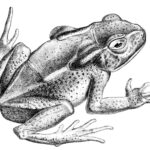
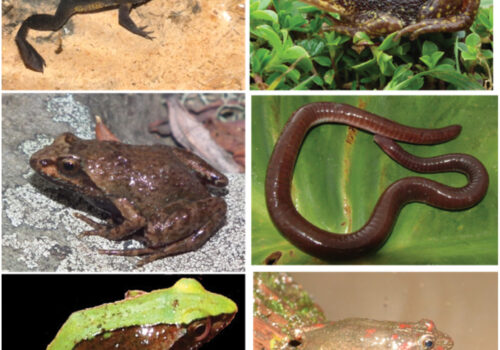
Duttaphrynus nagalandensis, though modest in size, holds a distinguished elegance through its appearance. Adults typically range between 35 to 60 mm in length. Their bodies carry a sturdy yet soft built, designed specifically for life on moist forest floors rather than permanent aquatic habitats.
Colors Blending with Forest Shadows#
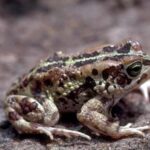
The skin color of Nagaland’s toad varies from hues of deep brown and olive to earthy shades that seamlessly blend with fallen leaves and damp soils, providing remarkable camouflage against predators. A closer examination reveals striking darker spots and rough, glandular skin—a hallmark of true toads, often designed to ward off predators through mild toxins secreted from specialized skin glands behind the eyes called parotoid glands. The parotoid glands in this species, while subtle, are effective in deterring would-be predators.
Eyes large and alert, they reflect softly the occasional glint of twilight, adapted perfectly to low-light forest floors. Legs muscular and sturdy, enable quick, short hops to evade threats or swiftly capture passing prey.
Behavior and Life Cycle#
Much about the behavior of Duttaphrynus nagalandensis remains yet undiscovered, but targeted field studies by dedicated scientists have provided fascinating glimpses. Primarily nocturnal, the species emerges from hiding only after dusk blankets the forests with darkness and quiet. Feeding actively during these nocturnal forays, their diet predominantly consists of small insects like ants, beetles, termites, and spiders, maintaining pest populations and playing critical roles in forest ecosystems.
The Serenade of Gentle Rain#
The breeding behavior of the Nagaland toad synchronized beautifully with monsoon rains. During rainy months, males begin their distinctive, melodic calls from shallow pools and puddles formed by seasonal downpours. Unlike frogs that prefer deep permanent water bodies, toads often adapt elegantly to changing ephemeral habitats. Females, drawn to persistent calls, lay beautifully long strings of tiny gelatinous eggs, woven delicately amid aquatic vegetation.
The emerging tadpoles undergo rapid metamorphosis over several weeks, transforming from vulnerable aquatic larvae to robust terrestrial toads capable of surviving and thriving in forest environments. Early-juvenile stages are crucial and perilous, requiring sheltered terrain and ample invertebrate prey—a habitat uniquely provided by Nagaland’s pristine forests.
Ecological Role#
As is typical among amphibians worldwide, Duttaphrynus nagalandensis serves crucial roles within Nagaland’s intricate web of life. By predating on insect populations, these toads effectively balance ecosystems, controlling potentially harmful insects and serving as important prey items themselves for larger predators, including snakes and birds. Such duality of predator and prey emphasizes their importance within ecosystem cycles.
Moreover, amphibians globally are recognized as sensitive indicators of environmental health—a living litmus test of pristine habitats. The presence of a stable, thriving population of Nagaland’s endemic toads indicates an environmental “thumbs-up,” reflecting healthy forest habitats, adequate rainfall patterns, and minimal pollution.
Threats and Conservation Status#
As efforts intensify to document biodiversity in Nagaland and northeastern India, scientists have expressed growing concern for species like Duttaphrynus nagalandensis. Primary threats include habitat loss and fragmentation due to deforestation, agricultural expansion, urban development, and climate change—changes affecting rainfall patterns crucial to amphibian survival. Moreover, pollutants and pesticides infiltrating sensitive forest ecosystems pose significant risks, potentially causing destabilization in a fragile ecological balance.
Current Conservation Measures#
While currently there is scant data regarding detailed population trends and comprehensive conservation measures specifically targeting this species, growing awareness has prompted local conservators and scientists to keep a watchful eye on forest protection strategies. Forest réserves and community-based conservation actions are being initiated to safeguard Nagaland’s diverse fauna, indirectly benefiting this sensitive amphibian.
Cultural and Scientific Significance#
Beyond purely ecological roles, the presence of unique species like Duttaphrynus nagalandensis holds special cultural and symbolic value. Among the diverse local tribes inhabiting Nagaland, amphibians and frogs often signify health and fertility, symbolic of the rainy season’s arrival. Local folklore, traditions, and ecological knowledge transmitted orally among generations subtly highlight the amphibians’ importance to Nagaland’s indigenous communities.
Conclusion#
Duttaphrynus nagalandensis represents more than just zoological curiosity—it embodies nature’s breathtaking complexity hidden beneath the quiet greenery of Nagaland’s misty forests. This modest amphibian’s continued survival mirrors our broader efforts to maintain ecological stability, climate resilience, and biodiversity in regions often overshadowed by global conservation narratives.
As you reflect on this enchanting species, consider your personal role in conservation storytelling. Support local conservation initiatives, advocate for sustainable ecological policy, or continue learning about biodiversity’s fragile web—these actions collectively ensure creatures as captivating as the Nagaland toad continue thriving for generations to come.