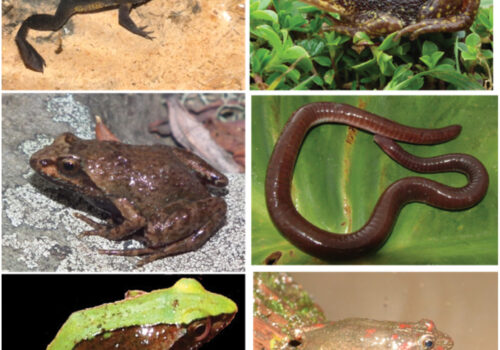
Duttaphrynus manipurensis: The Fascinating Tale of Manipur’s Hidden Toad#
In the dense, lush greenery of India’s northeastern forests, hidden amid leaf litter and nestled near whispering freshwater streams, dwells an intriguing amphibian whose existence goes largely unnoticed by the outside world—Duttaphrynus manipurensis. Commonly known as the Manipur Toad, this species inhabits a small yet richly biodiverse region in Manipur, a state near the Indo-Myanmar border. With bulging eyes gleaming softly in the dim forest canopy-filtered sunlight, and skin uniquely textured and wonderfully adapted for camouflaging its wearer, the Manipur Toad has adapted uniquely to survive in one of India’s lesser-known wilderness regions.
Classified scientifically as Duttaphrynus manipurensis, this amphibian offers not only a window into the evolutionary quirks of nature but also contributes immensely to our understanding of ecological interdependency and environmental health. Yet, despite its fascinating biology and ecological significance, it remains shrouded in mystery, quietly living and contributing significantly to its fragile ecosystem.
To truly appreciate this remarkable toad, let us take a deep dive into its fascinating life—its secretive habits, its critical roles within ecosystems, and the urgent story of its conservation in a rapidly changing world.
Taxonomy and Classification#
Duttaphrynus manipurensis belongs to the Bufonidae family, a diverse group known colloquially as true toads. Bufonidae species share characteristics such as dry, warty skin, prominent parotoid glands near their heads, and stout bodies well suited for terrestrial existence. Within this extensive family, Duttaphrynus, its genus counterpart, comprises several closely related species scattered primarily across South and Southeast Asia.
Formerly classified under the genus Bufo, the Manipur Toad was subsequently reassigned to Duttaphrynus following modern phylogenetic research and molecular DNA analysis. These scientific developments provided clearer insights into evolutionary relationships, revealing subtle genetic divergences. Thus, we now speak of Duttaphrynus manipurensis, a precisely defined species naturally attuned to its specialized habitat within Manipur’s lush woodland ecosystems.
Natural Habitat#
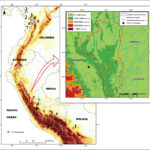
The forests of Manipur, located on the eastern slopes of India’s Himalayan region, provide the ideal broadband of ecological niches for this amphibian. The area’s characteristically humid, subtropical climate, combined with consistently high annual rainfall, creates conditions optimal for the Manipur Toad’s lifestyle. Primarily terrestrial, these toads reside close to streams, marshy grounds, and dense leaf-littered forest floors.
A Sanctuary Below the Forest Canopy#
Imagine walking through the broad-leaf evergreen forests: beneath your feet lies a carpet of fallen leaves steadily decomposing into fertile habitat. This layer, bursting with microbial life, insects, and other small arthropods, provides an abundant food source and perfect concealment for Duttaphrynus manipurensis. Amid such surroundings, these creatures find their ideal sanctuary, weaving effortlessly beneath fallen foliage, quietly hunting at twilight, and cautiously navigating around fresh pools formed by recent monsoon rains.
The subtle interplay between humidity, vegetation, and soil moisture is crucial. Optimal moisture helps maintain the toad’s skin—critical for respiration and moisture regulation—while abundant insect life sustains the dietary demands of developing juveniles and adults alike. Amidst dense foliage and shadowed streams, the rhythm of the forest quietly orchestrates the daily activities and behaviors of this remarkable amphibian.
Physical Characteristics#
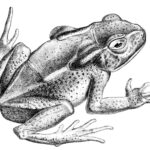
Distinctively poised between delicate charm and resilient practicality, Duttaphrynus manipurensis exhibits unique physical attributes perfectly adapted to its forested environment. Typically a medium-sized toad, adults generally grow between 40–60mm. Its rounded yet robust body shape—typical of true toads—assists in burrowing, maneuvering among leaf debris, and conserving energy during times of inactivity.
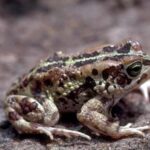
The rough-textured skin, flecked with tiny warts or granular tubercles, demonstrates a range of earth tones from brown to olive-green, and sometimes even dull yellowish hues. Such varied coloration serves a practical function, offering impeccable camouflage amidst their leafy domicile. Each individual toad carries unique patterns and spotting, subtly complex and beautifully arranged by evolution’s patient hand to ensure concealment from predators and prey alike.
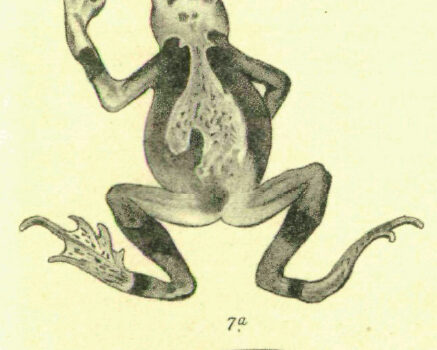
The eyes of the Manipur Toad prominently bulge outward, orbited by subtle yet alert movements that allow panoramic vision when hunting or evading potential threats. The limbs, sturdy yet comparatively short, serve primarily terrestrial movement; these limbs come carefully equipped with powerful musculature and specialized toe pads designed to grip uneven, moist surfaces characteristic of their damp habitat.
Behavior and Life Cycle#
As predominantly nocturnal hunters, Duttaphrynus manipurensis individuals carefully emerge at dusk to embark upon nightly foraging adventures. Master ambushers, they patiently wait near insect pathways and swiftly seize passing prey with their tongue, efficiently controlling insect populations in their environment.
Breeding Rituals and Lifecycle#
Every monsoon season, these toads engage spectacularly in reproductive rituals. Triggered primarily by the first downpour of seasonal rains, males announce their presence through gentle yet persistent mating calls, resonating softly across the forest floor. Although less melodious compared to tree frogs, their chorus creates a sensory tapestry uniquely symbolic of monsoon evenings in the Manipuri forests.
The females, swollen with hundreds of tiny eggs, gradually respond to these musical summons, carefully selecting mates and depositing eggs into shallow, temporary pools formed by rainfall. Here, fertilized clusters rapidly develop into tadpoles navigating through impressionistic landscapes of sunlit reflections and floating fauna.
Within weeks, metamorphosis magically transforms these aquatic larvae into miniature toads. With barely a whisper of farewell to their freshwater nurseries, they courageously move inland to join adulthood amidst the leafy terrestrial realm—a new generation cycling again through nature’s eternal loop.
Ecological Role#
Ecosystems find stability in intricate webs of relationships, and Duttaphrynus manipurensis embodies this interconnectedness, exemplifying the critical role amphibians play in maintaining balance. Acting primarily as insectivorous predators, they regulate insect populations and significantly contribute to supporting forest health, reducing potential insect-related damage to vegetation and moderating disease transmission rates.
Simultaneously, they fall prey to various higher trophic level predators—notably snakes, birds, and larger forest mammals. The presence and healthy numbers of toads act as ecological indicators, signaling overall environmental well-being. Subtle variations in amphibian distributions or behaviors provide early warnings of ecological stressors, making their survival crucial from both scientific and conservation perspectives.
Threats and Conservation Status#
Unfortunately, our amphibious friends face mounting pressures from an ever-changing environment shaped relentlessly by humanity’s expanding footprint. Habitat loss, deforestation, agricultural encroachment, and pollution severely threaten the existence of the Manipur Toad. Additionally, climate change exacerbates conditions, altering rainfall patterns essential to successful breeding cycles and further fragmenting habitats.
Currently, the IUCN Red List categorizes Duttaphrynus manipurensis as Data Deficient, indicating significant gaps remain in our comprehensive understanding of its population dynamics and specific threats. Nevertheless, conservationists express growing concerns, prompting intensified research and monitoring programs aimed at unearthing actionable conservation measures to safeguard their tenuous future.
Cultural and Scientific Significance#
Amphibians like this toad hold special cultural value within Manipuri communities, reflective of generations coexisting with nature. Folklore occasionally incorporates them, depicting these creatures as symbols of rain, fertility, and environmental renewal.
Moreover, scientifically they present captivating research subjects. They intrigue biologists eager to unravel secrets underpinning evolutionary adaptions to distinct habitats. Amphibian skin secretions, often containing medically exciting compounds, offer promising avenues for potential pharmaceutical endeavors ranging from antimicrobial treatments to painkillers.
Conclusion#
Unassuming, enigmatic, quietly resilient—Duttaphrynus manipurensis embodies the incredible diversity and intricate beauty of India’s biological heritage. Each individual contributes deeply towards maintaining ecological equilibrium in its rich, humid forest home.
Yet, their future rests precariously in humanity’s hands. Our understanding, interest, and ultimately, commitment to conservation determine their continued survival and biodiversity’s richness beyond today. We invite explorers, naturalists, researchers, and especially readers like you to better understand this fascinating amphibian, advocate for its continued survival, and support ongoing preservation efforts in Manipur’s cherished natural ecosystems. After all, safeguarding the humble Manipur Toad enhances our broader struggle to protect the fascinating tapestry of life on our shared planet.