- Introduction: A High-Altitude Amphibian Adventure
- Understanding Taxonomy and Classification
- Natural Habitat: Life Among Rocky Peaks and Alpine Meadows
- Physical Characteristics: The Anatomy of Survival
- Behavior and Life Cycle: A Season Cycle of Resilience
- Ecological Role: Guardians of Alpine Balance
- Threats and Conservation Status: Navigating Troubled Snowfields
- Cultural and Scientific Significance: Alpine Tales and Measured Insights
- Conclusion: Preserving the Himalayan Toads—Guardians of Mountain Majesty
Introduction: A High-Altitude Amphibian Adventure#
The mighty Himalayas, known chiefly for their towering, snow-capped peaks and elusive wildlife such as the snow leopard and golden eagle, are also home to an intriguing, lesser-sung resident—the Himalayan Toad, scientifically known as Duttaphrynus himalayanus. While this modest amphibian may never capture public imagination quite like its charismatic mammalian neighbors, its role within its surprisingly harsh habitat warrants appreciation. Possessing unique adaptations allowing its survival at breathtaking altitudes close to 3,800 meters, this fascinating amphibian offers invaluable insights into life’s resilience amidst rugged terrains.
Though seldom in the headlines, Duttaphrynus himalayanus has quietly enchanted biologists, conservationists, and community storytellers for generations. Its capability to endure freezing temperatures, scarcity of oxygen, and fickle climates is nothing short of evolutionary mastery. Join us on an immersive journey to uncover the ecology, behavior, and hidden tales of the Himalayan Toad.
Understanding Taxonomy and Classification#
This small, stout-bodied amphibian belongs uniquely within the family Bufonidae, frequently known as true toads. The genus, Duttaphrynus, comprises numerous closely related toads distributed widely across the Indian subcontinent and adjacent regions, each species uniquely evolved for specific niches.
Duttaphrynus himalayanus was initially described scientifically by Albert Günther in 1864 and has since sparked considerable interest for biologists intrigued by high-altitude evolutionary biology. While closely related species such as Duttaphrynus melanostictus populate lower altitudes, D. himalayanus has demonstrated remarkable adaptability to elevations normally deemed inhospitable to amphibian life, distinguishing itself even among its relatives.
Natural Habitat: Life Among Rocky Peaks and Alpine Meadows#
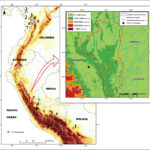
Unlike their lower-altitude amphibian cousins nestled comfortably in tropical forests, Himalayan Toads inhabit rugged terrains at startling altitudes, spanning across Nepal, Bhutan, Northern India, Tibet, and Pakistan. Often found camouflaged among rocky slopes, alpine meadows, mountainous wetlands, and grasslands, their preferred habitats typically range between elevations of approximately 1,500 to 3,800 meters. The crisp air, icy cold streams, and dramatic temperature shifts have collectively sculpted the unique physiology and behavioral tactics of Duttaphrynus himalayanus.
An Ecosystem Shaped by Geography and Altitude#
The Himalayas offer stark environmental extremes—a constant dance of cold, thin air, and unpredictable rains. Amidst such conditions, vegetation remains sparse yet robust, comprising hardy grasses, mosses, lichens, and rare alpine flowers. For the Himalayan Toad, each snowmelt season brings renewed life, creating transient but essential freshwater streams and ponds—perfect breeding habitats for amphibians.
Physical Characteristics: The Anatomy of Survival#
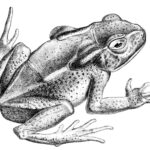
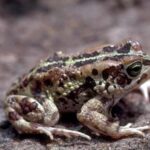
Compact yet robust, the Himalayan Toad hardly relies on flashy appearances but rather blends effortlessly into its alpine environment with remarkable camouflage. Adult Himalayan Toads average about 5 to 9 centimeters in length, their squat bodies cloaked in rough, warty skin exhibiting earth tones of browns, grays, or muted olive greens. This palette provides essential camouflage amid the alpine rocks and moss-covered substrates where they reside.
A notably squat frame, coupled with short, muscular limbs help ease their movements across uneven terrain. Large parotoid glands behind each eye secrete mild toxins—an important mechanism to discourage potential predators from making a quick meal out of this humble amphibian. Their powerful hind legs enable swift, sudden jolts through rocky crags or thick grass, offering quick escapes when confronted by threats.
Behavior and Life Cycle: A Season Cycle of Resilience#
Perhaps the most remarkable aspect of D. himalayanus‘s existence is its incredible behavioral adaptability, specifically how it thrives in such challenging ecosystems. Their year begins in earnest following the arrival of warmer temperatures and snowmelt around late April and May. Amphibian choruses fill remote alpine valleys and meadows—a triumphant orchestra marking a return of life.
Feeding Habits: Predators of the Alpine Microcosm#
Primarily nocturnal, Himalayan Toads employ opportunistic feeding strategies, feasting mostly on a diet rich with insects, spiders, worms, and small invertebrates that thrive in damp crevices and grassy slopes of high-altitude habitats. Equipped with sticky, projectile tongues and keen eyesight honed for low-light conditions, they efficiently exploit seasonal insect booms, critical for energy storage subsequent to sometimes-lengthy hibernation periods.
Mating Rituals and Breeding: Amid Alpine Ponds and Streams#
With warming alpine pools heralding abundant insect larvae and aquatic plants, Himalayan Toad breeding season commences dramatically. Male toads congregate in shallow water bodies, resonantly calling potential mates. These calls, deep and resonant, echo through lonely mountain landscapes—audible reminders of the tenacity of life in such challenging domains. Females typically lay long, gelatinous strings of hundreds, sometimes thousands, of eggs attached to vegetation or submerged stones, ensuring their progeny receive optimal oxygenation and protection from predators.
The subsequent metamorphosis from tadpole to terrestrial juvenile unfolds rapidly, vital for juvenile survival to beat the approaching winter freeze. Juveniles often disperse extensively, adopting solitary lifestyles as they grow, navigating formidable alpine ridges to pioneering habitats of their own.
Ecological Role: Guardians of Alpine Balance#
Himalayan Toads significantly influence the delicate alpine ecosystems by modulating populations of flies, mosquitoes, spiders, and numerous other insects. Acting simultaneously as predators and prey, they are integral parts of high-altitude food chains; preyed upon by birds such as choughs and ravens, small mammals, snakes, and even predatory beetles. A balanced amphibian population often symbolizes a vibrant, well-functioning ecosystem, sensitive indicators of environmental health amidst Himalaya’s remarkable yet fragile landscape.
Threats and Conservation Status: Navigating Troubled Snowfields#
The Himalayan Toad remains classified under the International Union for Conservation of Nature (IUCN) as a species of “Least Concern.” While this seems promising, ecological security remains tenuous given the encroachment of threats like habitat degradation, climate change, deforestation, pesticides, disease outbreaks (notably chytrid fungus), and unregulated tourism.
Climate Change and Habitat Loss: Looming Threats#
Climate shifts are altering seasonal snowfalls and melting patterns, crucial for favorable amphibian breeding conditions. These changes imperil stable breeding sites, interrupting the delicate reproductive cycles and risking future population declines. Additionally, unplanned tourism infrastructure advancements threaten to fragment fragile alpine habitats crucial for sustaining thriving populations.
Community-based conservation programs are emerging in regions witnessing these declines. Local ecologists and conservation groups collaborate to establish protected breeding areas, spreading awareness about amphibians and their unseen ecological roles. Although progress remains gradual, grassroots conservation ensures that habitats continue thriving, safeguarding biodiversity in unprecedentedly fragile ecosystems.
Cultural and Scientific Significance: Alpine Tales and Measured Insights#
Locally, alpine communities recognize these inconspicuous amphibians as symbolic indicators marking the onset of warmer seasons. Villagers often view the Himalayan Toad’s arrival as a hopeful sign signaling crop planting seasons, effectively weaving the species into the cultural tapestry of mountain life.
Scientific interest in studying such amphibians flourishes due to their unique evolutionary adaptations. Researchers increasingly monitor D. himalayanus populations to better comprehend patterns associated with climate response, high-altitude adaptation genetics, and ecological resilience—all priceless insights that illuminate principles applicable to broader biodiversity conservation.
Conclusion: Preserving the Himalayan Toads—Guardians of Mountain Majesty#
Though seldom gracing magazine covers or widespread wildlife documentaries, the story of the Himalayan Toad remains consequential to alpine biodiversity. Recognizing and safeguarding these resilient amphibians ultimately echoes our commitment to preserving Earth’s marvels hidden deep in her remotest corners. Let their survival spur us into advocacy, conservation commitment, and persistent wonder fueling humanity’s inexhaustible appreciation of nature’s monumental creativity and resilience.