- Duttaphrynus dhufarensis: Exploring the Remarkable Life of the Dhofar Toad
- Taxonomy and Classification
- Natural Habitat: A Story of Adaptation
- Physical Characteristics: Mastery of Subtle Resilience
- Behavior and Life Cycle: The Rhythm of Deserts and Rain
- Ecological Role: The Unsung Hero of a Fragile Desert Ecosystem
- Threats and Conservation Status
- Cultural and Scientific Significance
- Conclusion: Celebrating Quiet Resilience
Duttaphrynus dhufarensis: Exploring the Remarkable Life of the Dhofar Toad#
In the rocky landscapes and serene waterways along the southern coasts of Arabia, a humble yet fascinating amphibian thrives within its niche—the Dhofar toad, scientifically known as Duttaphrynus dhufarensis. Small and seemingly ordinary at first glance, this species harbors an array of intriguing adaptations and behaviors that quietly weave it into the very fabric of its fragile ecosystem. Though overshadowed by more flamboyant wildlife, this resilient amphibian provides an invaluable window into desert-adapted ecosystems, highlighting nature’s remarkable capacity for adaptation. Let us unravel the captivating story of Duttaphrynus dhufarensis, a species emblematic of nature’s perseverance in unexpected corners of our planet.
Taxonomy and Classification#
Duttaphrynus dhufarensis belongs to the Bufonidae family—a group commonly referred to as “true toads.” Within this family, the genus Duttaphrynus comprises several hardy species adapted for diverse habitats, stretching from the monsoon-soaked forests of South Asia to the arid landscapes of the Middle East. First scientifically described in 1931 by renowned herpetologist Malcolm Smith, the Dhofar toad sits comfortably within this distinctive genus, recognized for its resilience and adaptability.
Closely related to other species within its range, including Duttaphrynus arabicus and Duttaphrynus scaber, this modest amphibian is uniquely specialized for the subtropical and semi-arid climates prevalent in its natural geographic distribution. Its name “dhufarensis” directly references the Dhofar region of Oman, a nod to the species’ primary habitat range and probable ancestral home.
Natural Habitat: A Story of Adaptation#
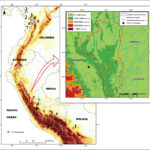
The geographic range of Duttaphrynus dhufarensis extends from the southern reaches of Oman, particularly the rugged Dhofar region, across parts of Yemen, and into peripheral arid and semi-arid areas of neighboring landscapes. Unlike its tropical and temperate amphibian cousins who relish lush rainforest floors, this resilient toad subsists within markedly drier, often harsher environments, rendering it a remarkable example of evolutionary adaptability.
Habitats favored by the Dhofar toad include wadis (dry riverbeds and seasonal streams), rocky hillsides, small freshwater pools, and occasionally human-altered environments such as agricultural fields and urban gardens. While commonly associated with moist conditions during breeding seasons, this species possesses unusual adaptability allowing survival through prolonged dry periods.
Imagine a peaceful creek concealed within a rocky valley, swollen briefly by intermittent rains. Here, Hajar Mountains cast brief shadows upon serene pools—temporary oases providing fleeting moments of sustenance and breeding opportunities for this hardy amphibian. The Dhofar toad navigates a landscape of extreme contrasts—water and drought, abundance and scarcity—with quiet determination, hidden amongst rocks and crevices while waiting patiently for life-giving rains.
Physical Characteristics: Mastery of Subtle Resilience#
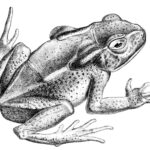
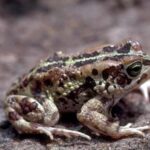
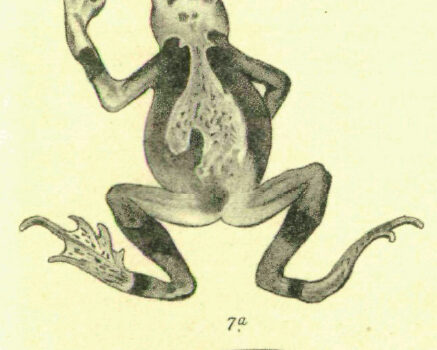
Measuring between 50 mm to 80 mm in total body length, the Dhofar toad inhabits the modest physical range common amongst true toads. Its coloration might initially appear drab—a mottled combination of browns, greys, and olive-green hues—but closer observation reveals intricate patterns suited perfectly for camouflage amid rocky terrain and coarse vegetation.
The skin texture conveys the very essence of adaptation, rough and granular with numerous tiny warts—the hallmarks of a life spent patiently awaiting rain in arid environments. A closer inspection reveals prominent parotoid glands located immediately behind the eyes, capable of secreting a noxious substance deterring potential predators. This subtle feature reflects thousands of years of evolutionary adaptation, arming the species with quiet but formidable chemical defenses against predation.
Adaptations for Desert Survival#
Physiologically speaking, survival in such challenging habitats demands specialized adaptations. Beneath the tough outer skin lies an efficient mechanism for moisture retention, reducing vital water loss. Moreover, the Dhofar toad possesses powerful hind limbs and sturdy forelimbs suited to navigating slippery rocks, swiftly escaping danger, and maneuvering through obstacles found within its demanding habitat.
During periods of drought, this resilient amphibian exhibits astounding behavioral plasticity, seeking shelter beneath rocks, vegetation, or within damp crevices. Here, it enters a state of reduced activity, helping it conserve valuable moisture reserves until rain returns.
Behavior and Life Cycle: The Rhythm of Deserts and Rain#
Like most amphibians, moisture dramatically shapes the lifecycle and behaviors of the Dhofar toad. Often associated with the rainy monsoon rains that characterize its range, it leads a secretive nocturnal existence, carefully synchronizing vital breeding events with the availability of ephemeral freshwater pools and temporary bodies of water.
Mating Rituals under Desert Skies#
As rainfall fills shallow pools, wadis flourish momentarily with vibrant life—tadpoles swimming vigorously, adult toads congregating along the shorelines calling gently but persistently in chorus. The calls of male Dhofar toads resemble soft trills punctuated by subtle chirps; these gentle, amphibian harmonies echo through moonlit valleys, signaling breeding rituals unfolding beneath desert stars.
Females respond to these melodious invitations, arriving at temporary breeding ponds to deposit gelatinous egg masses containing hundreds to thousands of eggs. Expertly hidden amidst vegetation and debris, these eggs rapidly develop, orchestrated carefully to mature before brutal sunlight evaporates these transient nurseries.
The Transformation from Tadpole to Terrestrial Toad#
The rapid pace at which tadpoles metamorphose offers a masterclass in adaptive timing. Life cycles are harshly constrained by unpredictable rainfall, requiring remarkable flexibility and growth efficiency. Within a matter of weeks, tiny tadpoles swiftly grow legs, absorb their tails, and transition flawlessly from aquatic larvae into terrestrial juveniles, embarking upon journeys through rocky terrain in search of suitable habitats to mature.
Once emerged from their aquatic nurseries, juvenile toads become adept insect predators, feeding on small invertebrates they encounter through careful nocturnal foraging. This adaptable feeding behavior positions them as critically important players within local ecosystems, regulating insect populations and providing sustenance for a wide range of desert predators.
Ecological Role: The Unsung Hero of a Fragile Desert Ecosystem#
In its modest existence quietly nestled within its harsh habitat, Duttaphrynus dhufarensis provides essential ecological services enriching desert ecosystems. Functioning both as diligent predator and vulnerable prey, it helps maintain delicate balance and health within the biome it inhabits.
By consuming insects and arthropods, this toad controls potential pest populations, providing benign pest control services which benefit plants, agriculture, and human settlements alike. Simultaneously, it serves as prey for larger reptiles, mammals, and avian predators, highlighting its importance within local food webs.
Moreover, the species acts as an indicator species, its health reflecting broader environmental health and ecosystem stability. Observing the Dhofar toad carefully can therefore offer conservationists invaluable insight into habitat quality, rainfall patterns, and broader environmental conditions.
Threats and Conservation Status#
Presently classified by the International Union for Conservation of Nature (IUCN) as Least Concern due to its relatively wide distribution and stable populations, the Dhofar toad nonetheless encounters threats warranting mindful conservation attention. Habitat degradation and fragmentation, climate change altering rainfall patterns, pollution in freshwater bodies, and potential diseases emerging within amphibian populations can all place silent yet insidious pressures upon this species.
Understanding these emerging challenges, local conservation initiatives must prioritize habitat preservation strategies, monitoring programs tracking population health, and public education campaigns designed to foster deeper connections between local human communities and the amphibians sharing their landscapes.
Cultural and Scientific Significance#
Though quiet and subtle in demeanor, this species plays a role in regional traditions, subtly woven into local cultural narratives in stories representing endurance, perseverance, and adaptability amidst challenging environments. Moreover, ongoing research holds the promise of uncovering novel scientific discoveries related to amphibian resilience, aridity adaptation, and potential medical applications derived from their remarkable defense toxins.
Conclusion: Celebrating Quiet Resilience#
The Dhofar toad, Duttaphrynus dhufarensis, quietly perseveres through adversity, marvelously adapted to an ever-changing environment. Understanding its importance fosters appreciation not only for this species but also for the vitality and interconnectedness inherent within earth’s fragile ecosystems. By safeguarding habitats and raising awareness, together we ensure that these humble yet extraordinary creatures continue enriching the deserts under starlit Arabian skies.