- Duttaphrynus chandai: Rediscovering the Hidden Jewel of Amphibian Diversity
- Taxonomy and Classification
- Natural Habitat: A Secretive Existence
- Physical Characteristics: Subtle Elegance in Miniature
- Behavior and Life Cycle: Delicate Rhythm in the Rainforest
- Ecological Role: Threads in a Rich Tapestry
- Threats and Conservation Status: An Uncertain Future
- Cultural and Scientific Significance: Quiet Symbols of Biodiversity
- Conclusion: Safeguarding a Hidden Jewel
Duttaphrynus chandai: Rediscovering the Hidden Jewel of Amphibian Diversity#
On the lush forest floor of Sri Lanka’s enigmatic wilderness, amidst dense foliage and leaf-strewn pathways, an elusive amphibian thrives quietly. Duttaphrynus chandai, or Chand’s dwarf toad, remains largely unknown to many outside specialist circles. Yet, in the gentle hum of twilight, hidden beneath moss-encrusted logs or patiently perched on low-hanging branches, it forms a vital thread in the complex tapestry of Sri Lanka’s biodiverse ecosystems. Despite its delicate stature, this small frog tells a powerful story—of evolution’s quiet victories, the delicate balance of ecosystems, and mankind’s quest to document and conserve elusive wildlife. Let’s embark on a journey into the intricate world of Duttaphrynus chandai, uncovering its significance, ecology, behaviors, and the imperative need to ensure its survival.
Taxonomy and Classification#
Duttaphrynus chandai belongs to the family Bufonidae—a diverse family often broadly recognized as “true toads.” This fascinating family comprises a variety of amphibians known for their distinctive parotoid glands, typically secreting toxins to ward off predators. Within this extensive assemblage, Chand’s dwarf toad proudly occupies the genus Duttaphrynus, a branch characterized by relatively small-bodied, hardy amphibians adapted well to their specialized environments.
Officially described in recent times, Duttaphrynus chandai pays homage to Sri Lankan herpetologist Dr. Channa Bambaradeniya—a distinguished conservationist who has significantly advanced our understanding of biodiversity in the region. Its classification highlights both its physical attributes and its compelling ecological narrative, emphasizing the necessity of detailed scientific observation and conservation action.
Natural Habitat: A Secretive Existence#
Understanding the habitat preference of Duttaphrynus chandai means venturing deep into Sri Lanka’s lush and biodiversity-rich landscapes. These toads have been observed mainly in lowland wet forests and tropical rainforest regions in the southwest of Sri Lanka. As twilight falls and moisture permeates the atmosphere, Chand’s dwarf toad emerges from beneath leaf litter, logs, and stones, its habitat cloaked in vibrant shades of emerald and jade, bathed in soft forest mists.
The forest floor on which this diminutive amphibian lives supports a rich tapestry of species—ferns, ground orchids, mosses, and fungi characterize this environment. Amidst fallen leaves dampened by monsoonal rains and creeping vines that drape shadows upon the forest floor, Chand’s dwarf toad nestles securely, its muted coloration camouflaging perfectly with its surroundings. These chosen habitats provide the ample moisture and prey diversity necessary to sustain its intricate life cycles and secretive behaviors, highlighting the precarious specificity and interdependence of amphibian habitats.
Physical Characteristics: Subtle Elegance in Miniature#
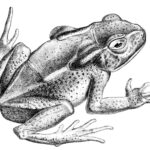
Duttaphrynus chandai, despite its understated size, exhibits remarkable evolutionary traits exquisitely adapted to survival in the vibrant, yet particularly challenging rainforest environment. An adult Chand’s dwarf toad reaches only about 20 millimeters in body length, notably small when compared to its cousins within the broader Bufonidae family. Its diminutive size is both a curiosity and a survival advantage; this miniature stature allows it to occupy ecological niches less accessible to larger competitors.
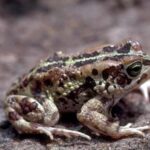
Coloration among Chand’s dwarf toads is muted but beautifully intricate—a mosaic of browns, olives, and greys, which suit their camouflage needs perfectly. Subtle patterns along the dorsum resemble subtle marbling, mirroring the leaf litter and fallen twigs dotting the forest floor. Robust, rounded glands known as parotoid glands located behind their expressive eyes produce mild toxins, deterring potential predators from making an easy meal of this unobtrusive amphibian. Delicate limbs suited perfectly to understated agility further underline this species’ evolutionary refinement, blending understated beauty and sophisticated adaptation effortlessly.
Behavior and Life Cycle: Delicate Rhythm in the Rainforest#
Nocturnal Foragers and Opportunistic Predators#
The veil of darkness brings activity and energy to the forest floors inhabited by Duttaphrynus chandai. These secretive amphibians are nocturnal, emerging with the twilight to hunt an abundance of minute organisms—ants, beetle larvae, termites, and other insects—insects that, for Chand’s dwarf toad, represent a veritable feast within the forest’s complex food web.
Patient and methodical hunters, these diminutive amphibians await their unsuspecting prey from under cover, often remaining immobile yet keenly aware of even the slightest vibrations. Sudden movements will spur a quick, measured strike, their sticky, flexible tongue swiftly capturing the unlucky prey. Efficiency in predation is essential for an animal whose small size makes each calorie precious in a nutrient-rich yet competitive habitat.
Breeding and Developmental Cycles#
Breeding behaviors of Duttaphrynus chandai reflect adaptations finely tuned to the unique seasonal rhythms of Sri Lanka’s climatic conditions. Rainfall serves not only as a mere signal but truly as an energetic lifeline, providing temporary pools and shallow water repositories where these toads lay their eggs. Males scent the moisture-laden air, responding enthusiastically by producing a rhythmic and resonant chorus of chirps and croaks, designed to draw females and establish territorial dominance.
Once fertilization in these temporary forest pools occurs, a complex life cycle commences. Eggs hatch into delicate yet hardy tadpoles—creatures well adapted to the ephemeral nature of their watery nurseries. These tiny aquatic larvae swiftly navigate limited windows of opportunity, feeding aggressively and metamorphosing rapidly into terrestrial juveniles before their pools dry and vanish beneath the powerful tropical sun. Such urgency highlights nature’s uncompromising embrace of efficient adaptation and rapid developmental cycles.
Ecological Role: Threads in a Rich Tapestry#
Every creature holds its vital space in nature’s intricate web, and Duttaphrynus chandai is no different. Its modest size belies a profound ecological role as predator, prey, and indicator species. Feeding primarily on insects, Chand’s dwarf toad effectively helps maintain balance in invertebrate communities, indirectly protecting plant ecosystems from an overpopulation of herbivorous insects.
Moreover, its position near the base of the animal food web positions it as prey to larger predators such as snakes, birds, and even larger amphibians. Thus, Chand’s dwarf toad embodies an essential ecological link—nutrient cycling from insect prey upward to the higher trophic levels. Its remarkably sensitive skin and specialized ecological requirements also make it a reliable indicator species, its presence or absence signaling deeper insights into environmental health, habitat integrity, and biodiversity resilience.
Threats and Conservation Status: An Uncertain Future#
Though little-studied compared to more charismatic species, data available indicates potential mounting threats that jeopardize the future of Chand’s dwarf toad. Habitat destruction poses the most significant danger. Increasing deforestation for agriculture, expansion of human settlements, timber extraction, and impacts from climate change-driven shifts in rainfall patterns all profoundly influence breeding habitats and resource availability.
Disease like chytridiomycosis presents yet another daunting challenge, affecting amphibian communities worldwide. While the current status under the IUCN remains relatively unclear due to scarce region-specific data, conservationists call strongly for proactive conservation measures—protecting forest habitats, promoting sustainable development practices, and fostering scientific research specifically geared towards understudied amphibians like Duttaphrynus chandai.
Cultural and Scientific Significance: Quiet Symbols of Biodiversity#
Chand’s dwarf toad, though virtually unknown culturally due to its reclusive existence, carries a quiet significance in the scientific community. Documenting such species highlights the immense, often overlooked biodiversity maintained in Sri Lanka’s forests. Each newly described species draws attention to overlooked conservation values and promotes deeper ecological awareness, raising vital questions about the implications of neglected wilderness areas.
Scientifically, studying Duttaphrynus chandai aids biodiversity research immensely, offering insights into evolutionary biology, chemical ecology (from toxins to potential medicinal applications), population dynamics, habitat preferences, and more. It symbolizes the richness hidden within nature and emphasizes humanity’s responsibility to protect and cherish life’s magnificent diversity.
Conclusion: Safeguarding a Hidden Jewel#
Duttaphrynus chandai captivates silently from the forest floor, offering lessons in resilience, ecological importance, and the intricate balance of our planet’s diverse ecosystems. As custodians of the natural world, we must cherish and protect species like Chand’s dwarf toad, ensuring habitats remain intact and ecosystems thrive. Supporting conservation research, advocating responsible land-use decisions, and fostering appreciation and education allow these hidden jewels and the ecosystems they anchor to flourish long into the future.