- Introduction: Discovering a Hidden Forest Treasure
- Taxonomy and Classification of Dendrophryniscus oreites
- Natural Habitat: Secrets of the Montane Cloud Forest
- Physical Characteristics: Beauty in Miniature Form
- Behavior and Life Cycle: From Tadpole to Treasured Toadlet
- Ecological Role: Guardians of Ecosystem Balance
- Threats and Conservation Status: Vulnerable Guardians on the Edge
- Cultural and Scientific Significance: Unlocking Nature's Secrets
- Conclusion: Preserving a World-Forgotten Jewel
Introduction: Discovering a Hidden Forest Treasure#
In the heart of South America, nestled deep within humid, moss-draped mountain forests, exists a secretive creature, a tiny guardian of its fragile habitat—Dendrophryniscus oreites. Often overlooked and rarely noticed even by keen-eyed naturalists, this petite amphibian embodies the mysteries and wonders of pristine habitats still concealing ecological marvels.
Commonly known as the mountain forest toadlet, Dendrophryniscus oreites belongs to the family Bufonidae, a family rich with diverse amphibians commonly called True Toads. But unlike its robust, large-bodied relatives, this species is a delicate miniaturized sentinel, relying on precise moisture and temperature provided by its high-elevation rainforest home. Curious yet cryptic, their existence is tightly woven into the tapestry of their lush, cloud-forest ecosystems.
Despite their diminutive size, these frogs showcase extraordinary adaptability and serve as important ecological indicators. Their sensitivity and specialized requirements underline their critical role in gauging the health of the forests they inhabit. Join us in unraveling the enchanting life of this captivating amphibian species.
Taxonomy and Classification of Dendrophryniscus oreites#
The species name Dendrophryniscus oreites was first described scientifically by Caramaschi and Peixoto in 2004. It belongs to the Anura order and falls within the Bufonidae family, specifically within the genus Dendrophryniscus. The genus itself is known for a group of frogs often referred to as tree toads or forest toadlets, celebrated among herpetologists for their small size, remarkable coloration patterns, and arboreal tendencies.
Dendrophryniscus oreites‘ closest relatives reside mostly within similar mountainous habitats across the Atlantic Forest biome, particularly in Brazil. Evolved specifically to thrive under very particular environmental conditions, they represent a compelling example of speciation driven by habitat specialization, altitude, and geographical isolation.
Natural Habitat: Secrets of the Montane Cloud Forest#
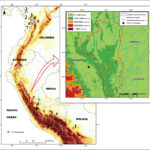
Few habitats on Earth are as magical and mysterious as montane cloud forests. Draped in perpetual mist, these forests span rugged slopes, hidden valleys, and steep terrains—exactly where the mountain forest toadlet makes its delicate home. Found predominantly in elevated sections of the Brazilian Atlantic rainforest, this species occupies elevations typically ranging from 700 to 1,800 meters above sea level.
The Microhabitat: Mosses, Leaf-Litter, and Ferns#
Within these elevated forests, Dendrophryniscus oreites occupies a specialized niche. Humidity levels are consistently high; dense carpets of rich moss envelop fallen logs, stones, and forest floor sediments, creating intricate microclimates essential for the toadlets’ survival. Ferns sway gently in the perpetual mist, sheltering the frogs and ensuring adequate moisture while providing cover against predation.
Here, amid soft organic carpets and clusters of vivid bromeliads, the frogs safely navigate, feed, and breed. These vital microhabitats not only sustain their immediate needs but also buffer them against climatic disturbances—in essence, forming lifelines within their sensitive ecosystems.
Physical Characteristics: Beauty in Miniature Form#
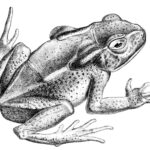
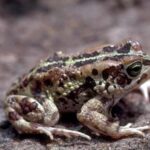
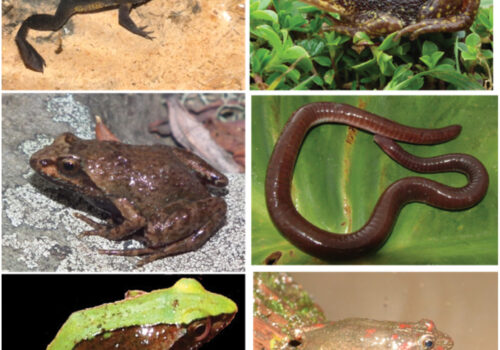
Upon encountering this tiny amphibian, the first impression is invariably one of astonishment: such vibrant coloration packaged in such a diminutive frame! Measuring only around 20 millimeters from snout to vent, adult specimens comfortably perch within the palm of a human hand.
Colors and Patterns: Splendid Secrets to Survival#
This miniature toadlet boasts vivid color patterns that range from deep brownish reds to shades of yellowish and orangish hues accentuated by darker irregular markings and spots. The rich pigmentation serves multiple purposes, notably camouflage within leaf-litter and moss, while also implying subtle warnings to potential predators about possible toxic defenses. While not lethally poisonous like some famous relatives, slight toxic secretions deter predators sufficiently, enabling them to lead relatively predator-free lives.
Adaptations Tailored to Life Above Ground#
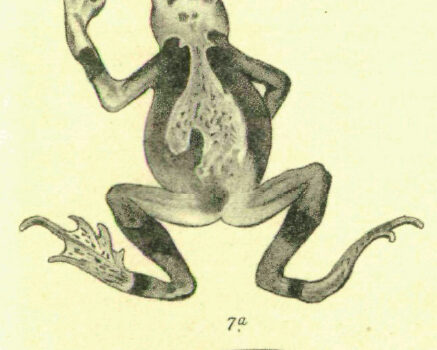
Foremost among this species’ adaptative characteristics are their specialized feet, equipped with roughened pads offering superb grip on slippery vegetation. This adaptation allows precise, nimble movements through their fog-soaked vertical habitats, underscoring an arboreal predisposition, and confirming a lifestyle intimately associated with elevated vegetation rather than freely wandering the ground’s forest floor.
Behavior and Life Cycle: From Tadpole to Treasured Toadlet#
The life of Dendrophryniscus oreites is a finely choreographed dance with its rainforest environment, adapted to seasonal shifts unique to its montane habitats. Though specific observations remain somewhat limited, behavioral patterns inferred by closely related species, alongside scientific studies, reveal a remarkable, finely-tuned life cycle.
Feeding Habits#
Primarily insectivorous, these frogs adopt opportunistic feeding habits, consuming abundant micro invertebrates such as mites, springtails, small insects, and occasionally spiders. Their small size and cryptic habits limit their prey range, yet the richness of their rainforest habitats ensures plentiful nourishment year-round.
Breeding and Reproduction#
Reproduction typically corresponds with periods of increased rainfall, prompting males to broadcast gentle and melodic calls to attract females, a quiet harmony drifting gently through cloud-drenched foliage. Eggs are laid individually or in small clusters, artfully attached beneath leaves, branches, or stony crevices situated near pools of standing water or moist vegetation.
Upon hatching, tadpoles navigate watery microhabitats sheltered in bromeliads or damp leaf-litter puddles. Metamorphosis occurs rapidly, reflecting a strong evolutionary push toward minimizing aquatic larval exposure—a critical survival strategy against predation and habitat instability.
Ecological Role: Guardians of Ecosystem Balance#
Despite their small size, these frogs maintain significant ecological importance. They inhabit critical roles as consumers of micro-invertebrate populations, controlling insects and arachnids. Simultaneously, themselves serving as prey for birds and small mammals, they form essential biodiversity links within larger ecological webs.
These delicate amphibians further serve as sensitive indicator species, their reliance on precise microclimatic conditions making them first responders to ecological disruptions such as climate change, habitat degradation, and pollution.
Threats and Conservation Status: Vulnerable Guardians on the Edge#
Dendrophryniscus oreites is currently classified as Data Deficient by the IUCN Red List because of persistent gaps in detailed research. Yet, conservationists emphasize potential vulnerabilities due to habitat fragmentation and continued deforestation within the Atlantic Forest, one of the world’s biodiversity hotspots unfortunately under relentless encroachment.
Climate change further exacerbates pressure on these ecosystems, threatening specific temperature and moisture regimens which make essential microclimates scarce. Added pressures include agricultural expansion, logging, and urban development, each posing existential threats to delicate populations and their fragile montane homes.
Cultural and Scientific Significance: Unlocking Nature’s Secrets#
In the realm of science, frogs like Dendrophryniscus oreites prompt exciting questions in evolutionary biology, habitat specialization, and species interactions. Amphibians such as this species offer invaluable insights into ecosystem health, climate impacts, and biodiversity dynamics.
Culturally, while not embedded strongly into local human traditions, amphibians retain broad symbolic presence, universally associated with regeneration, transition, and adaptability. Such symbolisms highlight indirect appreciation as ambassadors of healthy ecosystem integrity.
Conclusion: Preserving a World-Forgotten Jewel#
As we journeyed through mist-covered trails to discover Dendrophryniscus oreites, it became clear that this fragile guardian of the cloud forest underscores the profound interconnectedness humans share with Earth’s biodiversity. Understanding and preservation of such cryptic amphibians is paramount—not solely for their existence, which holds intrinsic value, but equally as a measure of our responsibility toward safeguarding life’s astounding diversity.
Every frog, every forest fern, every silent droplet clinging to moss-laden branches silently echoes the important call for conservation and awareness. We invite you, dear reader, to learn more, advocate fiercely, and join communities committed to protecting these precious, vulnerable wildernesses—for the mountain forest toadlet and countless hidden species relying on us all.