Dendrophryniscus krausae: Secrets of Brazil’s Enigmatic Rainforest Toad#
Within the lush tapestry of South America’s rainforests thrives a diminutive creature whose existence calls to mind ancient magic shrouded in nature’s majesty. Barely larger than a fingertip yet deeply interwoven into the ecological web, the Kraus’s Tree Toad (Dendrophryniscus krausae) emerges as a fascinating representative of Brazil’s biodiversity. Named after distinguished herpetologist Bertha Lutz Kraus, this charming amphibian not only bears testament to the biological richness of Brazil’s Atlantic Forest but also reminds us of how delicate and intricately connected ecosystems truly are. Known for its peculiar coloration and secretive behaviors, Dendrophryniscus krausae captivates both scientists and nature enthusiasts, reminding us of the subtle charm and remarkable role amphibians play within the dense, mysterious greenery of tropical floors.
Taxonomy and Classification#
Belonging to the family Bufonidae, the Kraus’s Tree Toad stands within a lineage historically known for their unique ecological adaptations. Specifically classified under the genus Dendrophryniscus, this group distinguishes itself from other traditional toads through their strong affinity for arboreal or terrestrial habitats within humid, shady locales.
Dendrophryniscus krausae, officially described and named by Cruz and Fusinatto in 2008, occupies a special place not merely because of its unique makeup but also due to the evolutionary journey revealed through its genetic and morphological traits. Research has shown this species sits closely related to several others in the genus—including species such as Dendrophryniscus brevipollicatus and Dendrophryniscus carvalhoi—further emphasizing an adaptive radiation event that allowed them to occupy specific niches within the lush Atlantic Forest biome.
Natural Habitat#
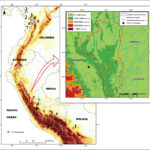
To find this intriguing creature, you must wander into the shadows and serenity of southeastern Brazil’s Atlantic forests. Dendrophryniscus krausae resides primarily within the Brazilian states of Paraná and Santa Catarina, thriving in humid subtropical ecosystems at elevations ranging approximately from 400 to 1,000 meters above sea level.
Entering these regions, the canopy overhead thickens, casting filtered sunlight onto the forest floor where layers of leaf litter dampen footsteps. Moss carpets fallen logs, lichen adorns stones, and moisture hangs thickly in the air. It’s precisely these lush microhabitats, characterized by ample humidity, shade-rich undergrowth, and a profusion of hiding places, that attract and shelter Dendrophryniscus krausae.
These frogs notably cluster around small streams, damp rocks, and areas adjacent to rivulets within the understory. The moisture is crucial, as like most amphibians, their permeable skin requires continuous hydration; these habitats furnish a consistently humid environment critical to their survival. Much more terrestrial than arboreal, they prefer to stay hidden beneath fallen debris and leaf litter, where the balance between humidity and temperature remains optimal year-round.
Physical Characteristics#
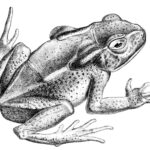
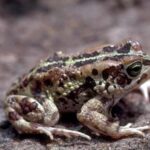
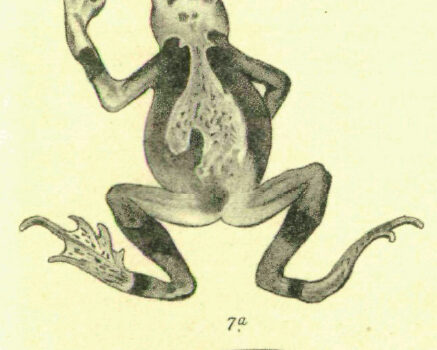
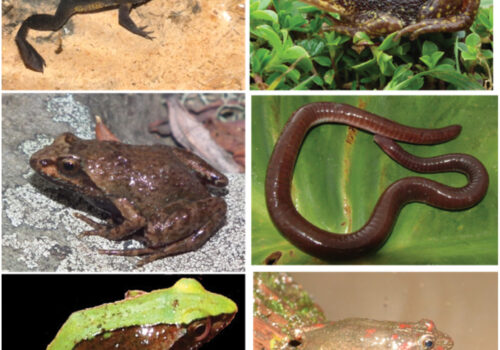
Modest in stature yet striking in appearance, Dendrophryniscus krausae measures around 2 to 3 centimeters, rendering it one of the smaller toad species found within Brazil’s expansive territory. What it lacks in size, however, it generously compensates with distinctive coloration and traits perfectly crafted by evolution.
The dorsal surface often boasts marvelous hues: shades of dark chocolate brown, interspersed with splashes of rusty orange, maroon, or deep red, which provide exceptional camouflage against the shadowy backdrop of moist leaf litter. Their textured skin is dotted with granular bumps and protuberances—another contemporary adaptation to their cryptically colored resting places. When motionless, their shape and pigmentation allow seamless integration into the forest floor, letting them blend seamlessly into decomposed leaves and moss-covered stones.
Characteristically large eyes with horizontally oriented pupils adorn their faces, hinting at their predominantly crepuscular or nocturnal lifestyle. This adaptation enhances low-light vision, pivotal for their evening forays and nighttime feeding habits.
Behavior and Life Cycle#
Perhaps more captivating than their outward appearance are the behaviors showcased by Dendrophryniscus krausae. Deliberate, careful movements characterize their daily routine, helping them remain covertly hidden from predators and prey alike. Usually active during twilight hours and overnight—particularly when humidity levels soar—the species utilizes stealth and patience in capturing small insect prey. Ants, mites, beetles, and other arthropods constitute their primary diet; these creatures are skillfully ambushed thanks to keen senses and finely honed agility.
Breeding Rituals and Vocalizations#
When the darkened forests of the Atlantic begin to pulse with gentle life beneath starlit skies, the rainy season signals the Kraus’s Tree Toad to emerge into bolder visibility. During wetter months, males initiate breeding calls—soft yet repeated chirps reminiscent of distant bird calls or delicate dripping rain—designed to beckon receptive females toward hidden mating grounds.
Breeding sites often include shallow, ephemeral pools, muddy depressions, moisture-laden moss patches, or quiet, slow-moving rivulets. Females deposit small clutches of eggs directly within these damp microhabitats, typically securing them onto moist substrates or partially submerged vegetation. Unlike tadpoles of many well-known amphibians, those of Dendrophryniscus krausae hatch rapidly, taking advantage of temporary water sources that swiftly dry out during drier periods of the year.
Fascinatingly adaptable, these tadpoles possess rapid development mechanisms, evolving swiftly from aquatic larvae into ghostly miniatures of their terrestrial parents. Amphibian metamorphosis epitomizes nature’s magic, and this quickly fulfilled transformation allows the species to succeed through rapid population turnover—a brilliant adaptation suited perfectly to the shifting environment of the Atlantic Forest.
Ecological Role#
Far from being merely interesting inhabitants, Dendrophryniscus krausae fulfills a pivotal ecological role within its rainforest domain. As predators, these diminutive amphibians help regulate the insect populations, maintaining appropriate species densities of numerous small invertebrates, many of which, left unchecked, could potentially impact forest health.
Simultaneously, they serve as vital prey items for several larger animals, such as insectivorous birds, small mammals, snakes, and various predatory arthropods. This intricate interplay demonstrates their indispensable position within the diverse food web of the Atlantic Forest ecosystem. Furthermore, as amphibians carry permeable skins especially sensitive to environmental disruptions, scientists view them as essential biological indicators whose health signals subtly reflect forest and watershed conditions. Studying their populations thus directly reveals critical information about overall environmental quality.
Threats and Conservation Status#
Despite their apparent resourcefulness, Dendrophryniscus krausae faces a plethora of environmental pressures emanating primarily from human activity. Accelerating deforestation, agricultural encroachment, settlement expansion, and logging practices devastate habitat segments crucial to their survival, fragmenting populations and threatening the delicate balance essential for their continued existence.
Climate change introduces additional complexities; shifting precipitation patterns and rising temperatures disrupt the finely calibrated hydrological cycles underpinning their unique reproduction strategies. Drying streams and receding damp patches restrict breeding success, further pressuring fragile populations.
The International Union for Conservation of Nature (IUCN) currently classifies Dendrophryniscus krausae as “Data Deficient”, pointing out a palpable need for expanded research, monitoring, and strengthened conservation actions. Increased understanding and documented research efforts remain critical in assessing vulnerabilities adequately and implementing strategic interventions.
Cultural and Scientific Significance#
Beyond ecological importance, amphibians have long inspired human imagination and culture. While not entrenched deeply within cultural folklore specifically, the discovery and naming of this species helped spotlight pioneering herpetologist Bertha Lutz Kraus, paying homage to her dedicated efforts in understanding amphibian diversity and conservation in Brazil. Scientifically, each discovery—from toxin secretions to unique tadpole adaptations—sparks intrigue, pushing the boundaries of biology and ecology.
Conclusion#
Dendrophryniscus krausae, seemingly inconspicuous yet fascinatingly complex, serves as a potent symbol reminding us of Brazil’s abundant, yet imperiled biodiversity. By appreciating these hidden creatures through scientific exploration, responsible stewardship, and passionate advocacy, we safeguard not only their survival but also the future health of the vibrant ecosystems they inhabit.
As stewards of our planet, we must rally around conservation efforts and amplify our understanding and appreciation of such wonders hidden within Earth’s green mandates. Let the humble Kraus’s Tree Toad inspire curiosity, caution, and compassion—echoing nature’s urgent call toward harmony, conservation, and responsible connections with the astonishing wildlife we share our planet with.