Bufotes zugmayeri: Discovering the Hidden Wonders of Zugmayer’s Green Toad#
Amid the rugged landscapes and vibrant ecosystems of the remote regions of Western Asia dwells a species largely overlooked yet profoundly fascinating: Bufotes zugmayeri, also famously known as Zugmayer’s Green Toad. Quietly thriving under moonlit skies, this unassuming amphibian has captivated researchers and naturalists alike through its remarkable resilience, intriguing behavior, and subtle beauty. With vibrant hues reminiscent of polished emeralds and hidden talents revealed only in twilight hours, Zugmayer’s green toad has emerged as a symbol of biodiversity and adaptation in an ever-changing environment.
It’s a widely held adage among herpetologists—nature’s true mastery lies not always within grandeur, but often in seemingly humble creatures, easily unnoticed by the casual observer. Bufotes zugmayeri elegantly underscores this idea. Found primarily within the challenging terrains of Iran, Pakistan, and neighboring countries, this regionally unique amphibian reveals deep insights into ecological harmony and evolutionary tenacity. So, embark with us now, into the secretive world that defines the life of Zugmayer’s Green Toad.
Taxonomy and Classification#
Understanding Zugmayer’s Green Toad necessitates a brief journey into its scientific heritage. Classified expertly within the expansive Bufonidae family, Zugmayer’s Green Toad boasts a solid scientific identity—Bufotes zugmayeri. Historically, it was categorized under the once broader genus Bufo, encompassing many commonly known toads worldwide. However, recent phylogenetic analysis prompted its placement into the distinct genus Bufotes, highlighting its shared yet distinctly evolved lineage within Eurasian green toads.
The toad’s scientific epithet, “zugmayeri,” venerates eminent zoologist Erich Zugmayer, who first documented its existence following exploratory journeys in early 20th-century Persia. Bufotes zugmayeri shares ancestral ties with closely related species such as Bufotes viridis, the widespread European green toad, yet it remains uniquely defined by subtle morphological differences and specialized adaptations to its specific habitat.
Natural Habitat#
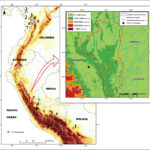
Beyond mere labels and classifications, discovering where Zugmayer’s Green Toad truly thrives reveals a deeper appreciation of its adaptation to challenging environments. This species predominantly inhabits semi-arid mountainous regions, thriving in landscapes punctuated by rocky outcroppings, sparse vegetation, and intermittent streams. Traversing the hidden valleys and dry foothills within Iran, Afghanistan, Pakistan, and neighboring terrains like Baluchistan, Zugmayer’s toad is specially adapted for life amidst seemingly inhospitable environments.
These arid foothills and rocky plateaus offer certain advantages. Despite their sparse rainfall, these regions receive just enough seasonal precipitation to form streams and temporary ponds, fundamental to the toad’s life cycle. Zugmayer’s Green Toad exploits these fleeting water sources efficiently, showcasing impressive adaptation to scarce resources. Their survival illustrates evolutionary resilience, balancing periods of drought by effectively utilizing fleeting rainy seasons.
Each dusk introduces a lively activity in these dry habitats. Under the fading daylight, Zugmayer’s Green Toad gradually emerges from shaded rock crevices, sheltering vegetation, and subterranean burrows. This nocturnal rhythm reduces hydration loss and minimizes encounters with diurnal predators, underscoring this amphibian’s profound ecological acumen.
Physical Characteristics and Adaptations#
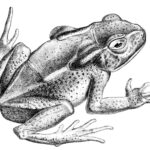
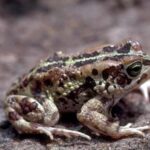
A close inspection reveals this species’ intricate artistry. Zugmayer’s Green Toad sports a compact body measuring generally between 5 to 8 centimeters in length—a humble stature concealing impressive natural design. Their smooth, resilient skin, sprinkled elegantly in shades of mossy-green, olive, beige, and subtle hints of brown, provides impeccable camouflage among the rocky soils, sparse plants, and mottled terrain of their habitat. On their dorsal surface, irregular dark blotches interlace with vibrant green patches, creating intricate patterns that disrupt the outlines, effectively camouflaging them in the dim twilight hours.
Defensive capabilities are equally notable. Like other members of Bufotes, Zugmayer’s Green Toad possesses paratoid glands positioned prominently behind their eyes, producing mild toxins effectively deterring most predators. When threatened, these glands secrete bufotoxins—a potent chemical cocktail compelling even determined predators to reconsider their intentions.
The toad’s sturdy limbs, with subtle webbing on rear toes, enhance agility on uneven landscapes and aid in swift mobility toward moisture sources. Their bulging eyes, atop slightly elevated heads, allow excellent vision in dim twilight, optimally suited to a crepuscular and nocturnal lifestyle.
Behavior and Life Cycle#
The nocturnal retreat begins vividly at dusk, when Zugmayer’s Green Toad emerges cautiously from daytime shelters. Nighttime fosters a flurry of activities—feeding, social interactions, and the profound chorus of breeding calls resonate softly across moonlit hillsides during breeding seasons.
Feeding and Hunting Habits#
Primarily insectivorous, Zugmayer’s Green Toad skillfully hunts small terrestrial insects, including ants, beetles, moths, and spiders. A patient hunter, it positions itself advantageously under cover, often beneath starlight shadows, awaiting unsuspecting prey to venture close. With rapid reflexes, it launches forward, wielding its broad, sticky tongue to seize prey, an impressive show of precision and agility.
Breeding and Reproductive Behavior#
Reproductive season corresponds closely to seasonal rains, typically from late winter to early spring, dictated by geographic locale and climatic conditions. Males vocalize distinctively melodious trills and rhythmic calls around temporary water bodies, skillfully attracting receptive females to carefully chosen territorial stations.
Females exhibit careful site selection during spawn, choosing shallow, sunlit pools or slow-moving streams. Eggs are laid in gelatinous strings along shallow pool edges or tangled amidst submerged vegetation. Within days, tiny hatchlings emerge into tadpole form, initiating metamorphosis into juvenile toads over weeks, synchronizing their transformation carefully to seasonal water availability—an extraordinary survival strategy echoing Zugmayer’s Green Toad’s deep evolutionary wisdom.
Ecological Role#
Bufotes zugmayeri holds subtle yet crucial positions within its ecosystem. As avid insect predators, Zugmayer’s Green Toad helps moderate pest populations crucially impacting plant health and stabilizing local insect communities. By occupying lower-tier predator status, they significantly influence trophic cascades, maintaining habitat equilibrium across arid and semi-arid ecosystems.
Simultaneously, these toads serve as critical prey for various predators, including nocturnal birds, snakes, and small mammals. This dual predator-prey role beautifully exemplifies the interconnectedness of nature, showcasing the delicate ecological dance required to maintain ecosystem resilience.
Threats and Conservation Status#
Like so many specialized amphibians globally, Zugmayer’s Green Toad faces notable environmental pressures. Habitat degradation stands prominent among threats, primarily driven by human activities like urban sprawl, overgrazing, deforestation, and unsustainable agriculture. Climatic variability and prolonged drought episodes deepen existential pressures, compromising the species’ reproductive strategy reliant on timely rainfall patterns.
Presently, Bufotes zugmayeri is listed by the IUCN Red List as “Least Concern,” owing to fairly extensive range and population stability. Nevertheless, continuous habitat destruction and unchecked human encroachment prompt constant conservation vigilance. Proactive measures recommended by experts include habitat protection, sustainable water management practices, long-term ecological monitoring, and increased public awareness campaigns emphasizing these amphibians’ ecological significance.
Cultural and Scientific Significance#
Despite its modest physical demeanor, Zugmayer’s Green Toad embodies deep interconnectedness between culture, science, and conservation. In local cultures, this toad occasionally features subtly in folklore, symbolizing vitality and adaptability amidst harsh terrains. Scientifically, however, its significance vastly escalates. The species contributes greatly to biological understanding, highlighting evolutionary adaptations to arid environments, resilience against climatic stressors, and providing valuable ecological benchmarks monitoring environmental health.
Conclusion: Advocating for Zugmayer’s Green Toad#
Zugmayer’s Green Toad encapsulates quiet perseverance—a master symphony of adaptation, resilience, and ecological harmony performed discreetly upon earth’s worldly stage. As stewards of biodiversity, we bear responsibility not only to admire but actively advocate for such creatures’ preservation. By recognizing and respecting Bufotes zugmayeri within its distinctive habitat, we contribute meaningfully toward safeguarding global biodiversity.
We invite readers to learn further about amphibian conservation, support local habitat preservation programs, and cultivate curiosity and stewardship around these remarkable, often overlooked, inhabitants of our natural world. Bufotes zugmayeri reminds us clearly: beauty and significance reside profoundly even in the Earth’s most subtle inhabitants—they simply await our discovery and understanding.