- Introduction: Meet Bufotes viridis, the European Green Toad
- Taxonomy and Classification of a Charming Amphibian
- Natural Habitat: Vast Territories and Adaptable Home
- Physical Characteristics: The Splendor of an Amphibious Gem
- Behavior and Life Cycle: Beneath Emerald Waters and Moonlit Skies
- Ecological Role: Small Amphibians, Crucial Balance
- Threats and Conservation Status: Fragile Jewels at Risk
- Cultural and Scientific Significance: Celebrating the Green Spirit of Europe and Asia
- Conclusion: A Jewel to Admire, Cherish, and Protect
Introduction: Meet Bufotes viridis, the European Green Toad#
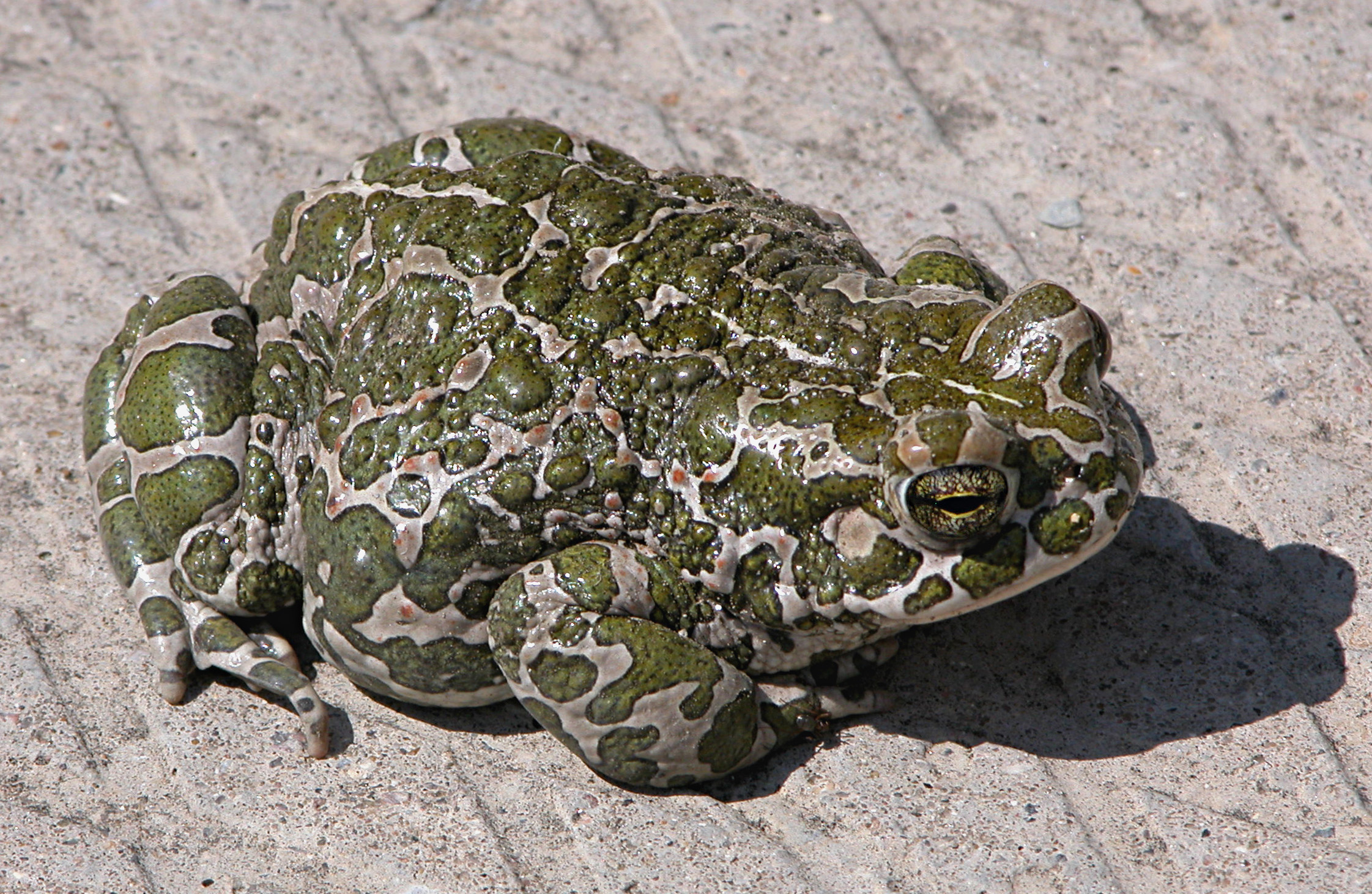
In the soft glow of twilight, along damp banks and verdant grasslands, one might spot a jewel-like creature adorned with hypnotic patterns of vivid emerald and olive-green—this is the striking European green toad, scientifically known as Bufotes viridis. Belonging to the Bufonidae family, these fascinating amphibians thrive within a diverse and sometimes challenging mosaic of habitats across Europe and western Asia. Their delicate balance with the ecosystems they inhabit places them at the intersection of vibrant beauty and environmental importance.
A remarkable survivor and adaptable wanderer—this enigmatic toad is renowned not only for its mesmerizing coloration but also for its incredible resilience. Despite the harsh climates and shifting landscapes across their expansive territories, the European green toad has evolved unique traits to thrive, offering us a window into the marvels of nature’s adaptability and fragility.
Taxonomy and Classification of a Charming Amphibian#
The scientific classification of Bufotes viridis reflects centuries of study and refinement. Classified within the Animalia Kingdom, Chordata Phylum, Amphibia Class, Anura Order, and the Bufonidae Family, this fascinating amphibian is some-known earlier by the genus Bufo before recent reclassification placed it into Bufotes.
The genus Bufotes houses a small set of closely related toads, such as the Balearic green toad (Bufotes balearicus) and the Sicilian green toad (Bufotes boulengeri siculus). Genetic studies confirm close evolutionary relationships among these species, yet each demonstrates distinct adaptations perfectly attuned to their unique ecological niches within different regions.
Natural Habitat: Vast Territories and Adaptable Home#
An Extensive Geographic Footprint#
The European green toad occupies an impressively broad geographic range—from Germany, France, and the southern Baltic states southward through Italy, Greece, and the Balkans. Its eastern territories stretch widely across regions of Turkey, Kazakhstan, and parts of Mongolia. This adaptability to a staggering variety of climates—from temperate mulch-covered forests to semi-arid steppe regions—marks an extraordinary example of ecological flexibility.
Diverse Habitats, One Exquisite Creature#
Bufotes viridis displays remarkable diversity in habitat preference. Primarily, they flourish in semi-open habitats, often choosing areas characterized by patchy vegetation, shallow ponds, and slow-moving water bodies. Gardens, farmlands, marshy areas, and even human-associated settings provide suitable habitats, illustrating their adaptability. Their penchant for aquatic environments during breeding seasons juxtaposes beautifully with their terrestrial foraging grounds, embodying inherent adaptability critical for survival.
Physical Characteristics: The Splendor of an Amphibious Gem#
Nature’s Canvas: Distinctive Coloring and Markings#
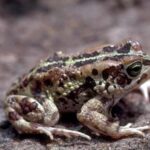
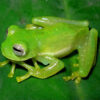
The European green toad showcases a magnificent mosaic of vivid greens interspersed with olive, brown, cream, and flecks of deep red or rust-colored spots—a camouflage reminiscent of sunlight filtering through a lush canopy. Their marbled patterns vary uniquely between individuals, much like a fingerprint—no two toads share exactly identical markings.
The green patches across their backs and limbs serve dual purposes: aesthetic delight and proficient camouflage. Hidden amongst moss-covered stones or undergrowth, these frogs effortlessly vanish from predators’ eyes due to their expert blending into the environment.
Built for Survival: Anatomical Adaptations#
Typically growing between 6 to 10 centimeters, Bufotes viridis is a robust species, possessing short yet muscular limbs specialized for hopping efficiently across uneven and often slippery terrain. Their skin secretes protective toxins from glands located prominently behind their eyes—the parotoid glands. These glands not only protect against predators but also contribute significantly to the species’ successful establishment within diverse ecosystems.
Behavior and Life Cycle: Beneath Emerald Waters and Moonlit Skies#
A Nighttime Symphony: Mating Calls and Courtship Rituals#
Much like orchestral conductors, male European green toads announce their presence through distinct, melodic calls during breeding seasons, typically from April to June. Their hauntingly musical chirps echo across still night waters—rhythmic proclamations of territory and attraction to females. These nocturnal serenades establish the backdrop for intricate courtship dances amidst moonlit pools, where breeding pairs find each other in a unique aquatic ballet.
Nurturing New Life: Egg Laying and Tadpole Development#
Female Bufotes viridis lay gelatinous strings containing thousands of tiny black eggs, carefully deposited within shallow water bodies. Over a few short days, these eggs hatch into tadpoles—tiny residents of the fragile aquatic world. Transitioning slowly from aquatic tadpoles into terrestrial juveniles, these toads undertake one of nature’s profound transformations, shifting from gill-breathing water dwellers into lung-equipped terrestrial inhabitants.
This critical metamorphosis involves losing their tails, developing fully functional limbs, and adopting distinctive adult markings in a dazzling display of biological wonder. Juvenile toads gradually disperse into terrestrial environments, ready to continue the lifecycle of this fascinating species.
Hungry Predators and Ingenious Hunters#
Bufotes viridis is undeniably efficient at capturing prey, primarily feeding on various invertebrates such as beetles, spiders, and worms. Using a specialized sticky tongue flicked with lightning speed, these amphibians can swiftly capture insects—an increasingly beneficial trait within densely populated habitats. Meanwhile, their defensive toxins and cryptic coloration are powerful deterrents against predators, such as birds and mammals, who often quickly learn to associate the colorful toads’ distinct appearance with an unpleasant toxin-laced experience.
Ecological Role: Small Amphibians, Crucial Balance#
This remarkable species isn’t merely a captivating denizen of wetlands and gardens; it fulfills vital ecological functions. As efficient insectivores, European green toads significantly contribute to insect population control, indirectly aiding agricultural practices and maintaining overall biodiversity. Their tadpoles, consuming algae and detritus, help maintain healthy freshwater ecosystems. Furthermore, they act as environmental indicators, their presence—or notably their absence—signifying the habitat’s overall health and ecological integrity.
Threats and Conservation Status: Fragile Jewels at Risk#
Shadows Loom Over Green Toad Populations#
Despite their robust adaptability, Bufotes viridis populations face mounting threats. Chief among these threats include habitat destruction owing to urbanization, intensive agriculture, and pollution. Aquatic habitat loss and contamination severely undermine their breeding successes, spawning alarming population declines in numerous regions.
Climate change further exacerbates these issues by altering rainfall regimes and temperatures crucial for successful breeding. Emerging fungal infections, notably chytridiomycosis—devastating amphibian populations globally—also pose increased threats to certain local populations of European green toads.
Conservation Initiatives: Protecting Amphibious Treasures#
Currently, the International Union for Conservation of Nature (IUCN) classifies Bufotes viridis as “Least Concern” globally, reflecting its wide, still relatively stable distribution. However, many local populations experience considerable strain. Conservationists consistently advocate for habitat protection initiatives, such as creating or preserving wetlands and sustainable agricultural practices minimizing pesticide usage. Additionally, public outreach and environmental education programs foster awareness, helping local communities appreciate and protect these radiant gems of Eurasia.
Cultural and Scientific Significance: Celebrating the Green Spirit of Europe and Asia#
The captivating presence of the European green toad resonates deeply within local cultures. Symbolizing vitality, adaptability, and renewal in several regional traditions, Bufotes viridis is frequently featured in folklore and traditional imagery, notably highlighting the bond between communities and nature.
Scientifically, their adaptations have become vibrant sources of exploration, revealing insights into amphibian toxin production, climate adaptability, and ecological resilience patterns. As amphibians worldwide face declining numbers, studying the adaptive strategies behind Bufotes viridis offers invaluable teachings that could potentially guide conservation efforts elsewhere.
Conclusion: A Jewel to Admire, Cherish, and Protect#
The European green toad is far more profound than perhaps we initially realize—a testament to nature’s resilience, adaptability, and beauty. The tale of Bufotes viridis is rich with the ancient rhythms of nature, the delicate balance between land and water, and the interconnected threads of ecosystems throughout Europe and Asia.
As environmental stewards and nature enthusiasts, fostering awareness and supporting conservation efforts ensure future generations will continue to hear the enchanting chorus of the European green toad within twilight’s tranquil embrace. To protect this glittering emerald amphibian, we must actively champion conservation initiatives, striving to safeguard the habitats and water sources vital for their survival, ensuring the green jewel of Eurasia remains vividly alive and thriving in its natural splendor.