- Bufotes turanensis: The Enigmatic Green Toad of Central Asia
- Taxonomy and Classification: A Close Encounter with the Toad's Family Tree
- Natural Habitat: Thriving Amidst Central Asia's Diverse Landscapes
- Physical Characteristics: Nature’s Masterpiece of Camouflage
- Behavior and Life Cycle: Nature’s Adaptive Rhythm
- Ecological Role: Guardians of Biodiversity and Indicators of Health
- Threats and Conservation Status: Challenges Facing the Turan Green Toad
- Cultural and Scientific Significance: Central Asia’s Silent Ambassador
- Conclusion: Embracing the Importance of Bufotes turanensis
Bufotes turanensis: The Enigmatic Green Toad of Central Asia#
Beneath the twilight sky, as dusk gently sinks into darkness across the rugged landscapes of Central Asia, a peculiar chorus fills the air—a symphony of chirps, trills, and soft croaking notes. At the heart of this natural serenade is Bufotes turanensis, the Turan Green Toad: a small yet captivating amphibian thriving quietly among sands, marshes, and grasslands. Often overlooked due to its modest size and secretive nature, this intriguing creature holds surprising clues about environmental health, biodiversity, and ecological harmony in one of the world’s most historically vibrant regions.
While conjuring visions of deserts and steppes, many seldom imagine amphibians prospering here. Yet, hidden in this seemingly arid landscape, B. turanensis carves out a distinctive ecological niche, a testament to nature’s adaptability. Remarkably hardy, these captivating creatures teach us valuable lessons about resilience, survival, and adaptation amid complexity.
Taxonomy and Classification: A Close Encounter with the Toad’s Family Tree#
Bufotes turanensis belongs to the family Bufonidae—the widespread “true toads”—characterized by dry, rough, warty skin and predominantly terrestrial lifestyles. Within this broad toad lineage sits the distinctive genus Bufotes, known commonly as the green toads. These species are often characterized by hardy adaptations, beautiful emerald hues, and cryptic patterns, allowing them to neatly blend into their diverse habitats.
The nomenclature Bufotes turanensis reflects the species’ geographical affinity; “turanensis” derives from “Turan,” an ancient historical region encompassing modern-day areas within Kazakhstan, Uzbekistan, Turkmenistan, and other territories in Central Asia—an accurate nod to its homeland.
Natural Habitat: Thriving Amidst Central Asia’s Diverse Landscapes#
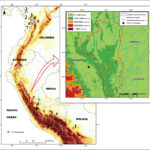
Central Asia is a vast territory adorned with deserts, semi-deserts, steppes, mountainous ranges, and riverine valleys, each a mosaic of extreme conditions where only the hardiest of flora and fauna flourish. Against this backdrop, Bufotes turanensis has impressively claimed its territory. Populations spread across Turkmenistan, Uzbekistan, Kazakhstan, and northward toward parts of Tajikistan, thriving particularly within semi-arid and semi-desert regions.
This adaptable amphibian, though resilient to aridity compared to many amphibians, does lean strongly on water sources, inhabiting oases, ephemeral streams, riversides, agricultural irrigation canals, and marshy depressions that sporadically punctuate the otherwise harsh landscapes. Along riverbanks fringed with reeds, or small seasonal pools forming after rare rainfalls, these toads exemplify brilliant adaptability, utilizing ephemeral water sources with precision timing to reproduce successfully.
Its preference for softer, sandy soils and sparse vegetation is not coincidental. Such terrain provides ideal burrowing and subdued cover habitat, safeguarding the toad from predators by day and harsh climates by night.
Physical Characteristics: Nature’s Masterpiece of Camouflage#
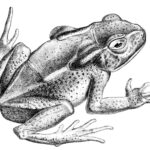
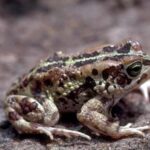
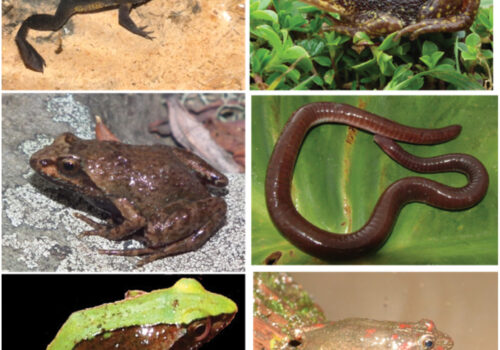
Upon close inspection, Bufotes turanensis proves that simplicity can mask subtle splendor. Adults rarely exceed lengths of 7 to 9 centimeters, rendering them compact and inconspicuous at first glance. Yet closer observation reveals a remarkable tapestry of colors—emerald spots overlaid upon earthy olive-green, grey, or beige hues, forming an enigmatic palette perfectly harmonized with soil and vegetation.
Each individual toad wears a unique patterned arrangement, much like human fingerprints. This meticulous patterning serves as exceptional camouflage—nature’s art designed for practical survival. Hidden from predators such as snakes, birds, and larger mammals, these amphibians manage their daily life nearly invisible, an evolutionary testament to the harsh predatorscape of their habitats.
Notably, their skin texture reveals prominent glands along their body surface, exuding toxins that deter predators effectively, adding a critical layer of protection to their modest arsenal of defense mechanisms.
Behavior and Life Cycle: Nature’s Adaptive Rhythm#
Nocturnal Hunters and Masters of Ambush#
Like most members of the Bufonidae, B. turanensis becomes active as twilight deepens, venturing from daytime cover to hunt. Opportunistic feeders at heart, they consume various small insects, spiders, insect larvae, and worms. Employing exceptional eyesight and skilled tongue acrobatics, their feeding strategies are swift, agile, and exceedingly effective.
While primarily terrestrial, they remain strongly tied to freshwater resources—not only for hydration but more crucially for reproduction.
Mating Rituals Under Starlit Skies#
When moisture arrives seasonally, usually after significant spring rains or snowmelt, males flock to water bodies and raise an enchanting chorus designed to lure females. Their calls—high-pitched trillings resonating under starlit expanses—often echo into the still night air, signaling the renewal of life across the steppes and deserts.
Females, answering the males’ persistent serenades, approach aquatic breeding sites to lay strings of gelatinous eggs. Each clutch, consisting of thousands of eggs, disperses among submerged vegetation or shallow pools to protect developing embryos from predation and harsh sunlight.
Metamorphosis: From Tadpole to Terrestrial Warrior#
The newly hatched tadpoles, dark and streamlined, vigorously navigate their aquatic nursery feeding on algae and detritus, becoming part of the aquatic ecosystem’s nutrient recycling. After several weeks, dramatic metamorphosis takes place as tails are reabsorbed, limbs strengthened, and gills replaced with lungs—signaling the transition from aquatic juveniles to land-dwelling adults. Juveniles subsequently disperse into the wider habitat, navigating life on land beneath Marbled skies filled with stars.
Ecological Role: Guardians of Biodiversity and Indicators of Health#
The ecological importance of B. turanensis exceeds their size significantly—playing both predator and prey roles. Regulating insect populations, they contribute substantially to agricultural pest control naturally, benefiting local ecosystems and indirectly aiding human agriculture efforts.
They also form an essential link in the larger food chain, providing sustenance to numerous predators—birds, snakes, and mammals, stabilizing and diversifying food webs in these fragile ecosystems.
Crucially, these amphibians serve as vital biological indicators. Amphibians generally exhibit extreme sensitivity to environmental disturbances such as pollution, habitat changes, or climate shifts—profoundly highlighting B. turanensis’ potential as a sentry to environmental health across Central Asia.
Threats and Conservation Status: Challenges Facing the Turan Green Toad#
Currently, the International Union for Conservation of Nature (IUCN) categorizes B. turanensis as undergoing population declines primarily due to habitat modifications, agricultural intensification, climate changes affecting precipitation patterns, and local pollution of waterways.
Water scarcity scenarios, increasingly frequent drought periods, diminished seasonal rainfall, and rising temperatures impose direct threats due to dependency on ephemeral and semi-permanent freshwater bodies vital for breeding. Without adequate water availability during critical reproductive windows, entire local populations can experience rapid and significant declines.
Fortunately, conservation initiatives already aim to monitor populations, assess potential threats, and preserve habitat diversity, marshlands, and freshwater sources, ensuring resilient populations continue thriving, preserving ecological integrity and biodiversity.
Cultural and Scientific Significance: Central Asia’s Silent Ambassador#
Historically, various indigenous cultures revered amphibians symbolically as messengers signaling rain, fertile grounds, and balanced ecosystems. Though specific cultural narratives involving B. turanensis remain scarce, given its cryptic nature, it nevertheless acts as Central Asia’s silent ambassador of ecological harmony, subtly teaching invaluable conservation lessons.
Moreover, scientific research featuring this species has enhanced understanding of amphibian resilience, adaptation mechanisms in arid zones, and ecological indicators of climate alteration and environmental stress.
Conclusion: Embracing the Importance of Bufotes turanensis#
Ultimately, studying and appreciating Bufotes turanensis reminds us of how intricately connected life forms are within natural systems, no matter their size or prominence. From cryptic camouflage to ecological roles as indicators and pest controllers, this modest toad species deserves recognition, respect, and a robust conservation effort moving forward.
By valuing and protecting the Turan Green Toad, we uphold biodiversity, preserve vital ecosystems, and take meaningful steps towards sustainability in Central Asia’s spectacular wilderness. Embrace nature’s wonder, advocate its protection, and spread awareness—because frogs offer far deeper lessons than first meet the eye.