Bufotes sitibundus: Unveiling the Secret Life of the Variable Green Toad#
In the subdued twilight that spreads gently across the wetlands of Eurasia, a strange chorus begins. A rhythmic, melodious call echoes softly, slicing through the stillness, subtle yet persistent. Hidden amidst grasses, spring-fed streams, and stony outcrops thrives the enigmatic envoy of these nightly symphonies—the Variable Green Toad, Bufotes sitibundus. While many frogs and toads are woven tightly into local folklore and popular imagination, this particular species remains astonishingly under-explored, quietly occupying wetlands and grasslands from Eastern Europe, through Western Asia, to the Middle East.
Often overlooked yet undeniably fascinating, Bufotes sitibundus holds keys not only to ecological balance but also serves as an unlikely sentinel protecting delicate environmental health. Their fascinating biology, adaptability, and ecological significance combine to paint a vivid picture of biodiversity. Join us now, as we journey together into the marshes and river valleys to explore the secretive and beautiful life of the Variable Green Toad.
Taxonomy and Classification#
Scientifically categorized as Bufotes sitibundus, this species belongs to the family Bufonidae—a diverse group of toads celebrated worldwide for their evolutionary resilience, remarkable adaptations, and fascinating reproductive strategies. Previously, Bufotes sitibundus was categorized under the broader Bufotes viridis complex. Modern genetic analysis, however, has solidified it as its own distinct species, underlining the importance of molecular studies in refining our biological understanding.
Closely related species include the European Green Toad (Bufotes viridis) and the Balearic Green Toad (Bufotes balearicus). Despite their taxonomic proximity, subtle genetic, behavioral, and distributional distinctions clearly define Bufotes sitibundus. Its specific epithet, “sitibundus,” intriguingly means “thirsty”—likely a nod to its propensity for semi-arid habitats and its hardy adaptations tackling environmental stress.
Natural Habitat#
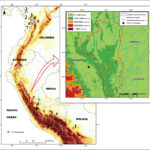
Bufotes sitibundus boasts an impressively broad geographical distribution that stretches from Eastern Europe (including regions of Russia and Ukraine), spans Central Asia into Kazakhstan and Turkmenistan, and then courses further south across Azerbaijan, Armenia, Iran, and into Western Asia. Across these diverse climates and ecosystems, one aspect remains consistent: their remarkable adaptability to environments ranging from damp grasslands and pasturelands to arid shrub-steppe and semideserts.
Unlike many amphibians requiring lush rainforest or rich aquatic systems exclusively, Bufotes sitibundus is impressively tolerant of semi-arid conditions. These toads favor breeding spots near shallow, ephemeral bodies of freshwater like temporary streams, irrigation channels, small ponds, and even man-made reservoirs. The perfect location often combines rocky substrates or sandy soils that facilitate their burrowing behaviors, coupled with sufficient vegetation cover to protect them from predators and climate extremes.
Under moonlit skies, hidden among reeds and marsh grasses, their nocturnal behaviors come alive. Active primarily at night, they hide expertly during the day beneath debris or within self-dug burrows, emerging at twilight to hunt, socialize, and breed—a lifestyle sculpted by evolutionary necessity to evade daytime heat and minimize predation risks.
Physical Characteristics#
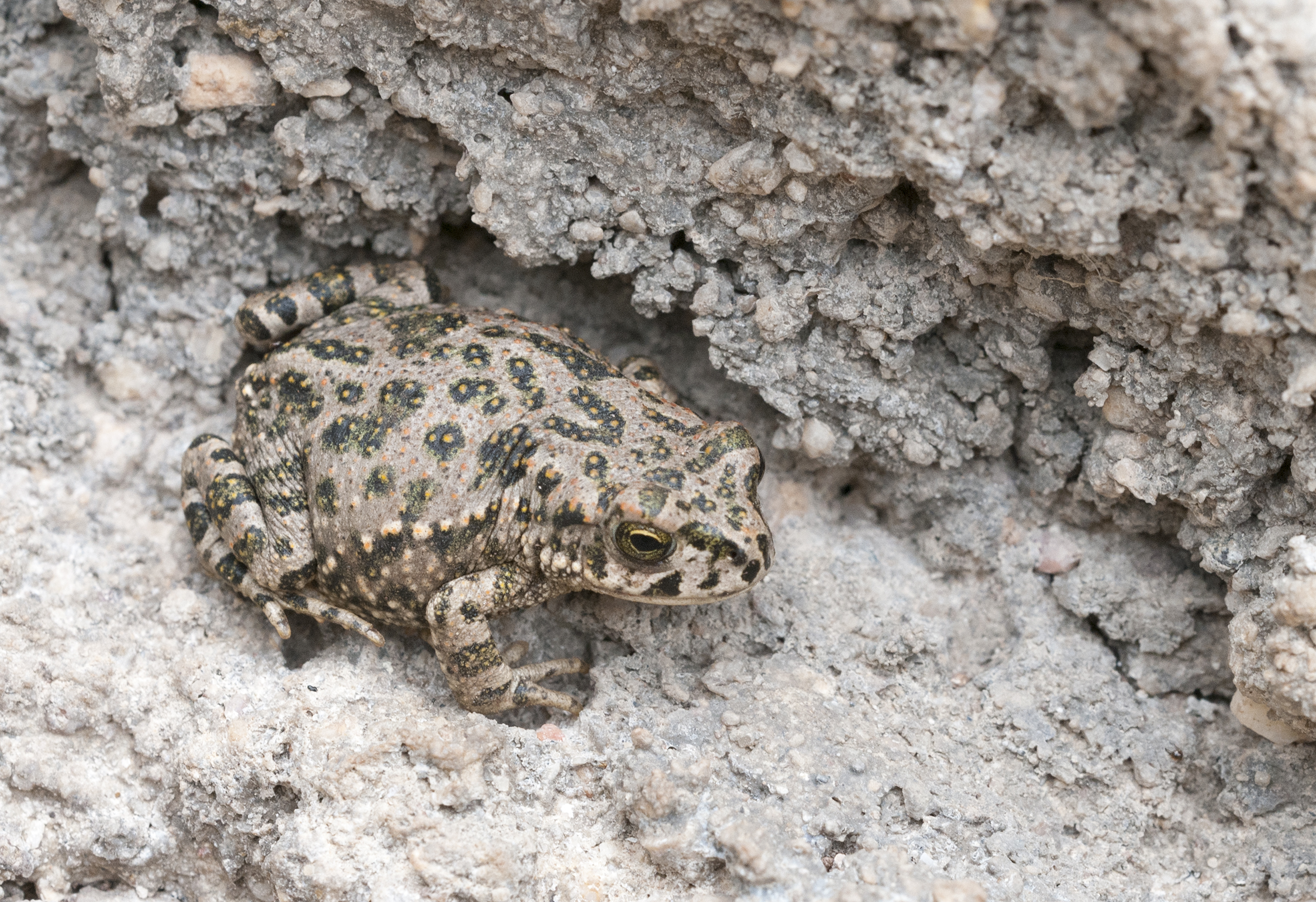
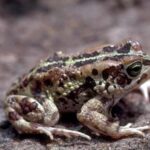
At first glance, the Variable Green Toad might seem unassuming, yet a closer look reveals beautiful complexity and remarkable adaptations. Adults typically range from 5 to 9 centimeters—a compact size that aids their stealth. They have a sturdy, compact build, characteristic of many members of the Bufonidae family, with short limbs ideal for navigating rugged habitats.
Their true charm lies in their distinctive coloration—a mosaic of olive-green markings intricately set against lighter shades of creamy-white, beige, or pale gray. This striking pattern varies significantly among individuals, hence the name “variable.” This mottled camouflage is crucial for their survival, providing effective concealment amidst stones, lichens, and vegetation. Bright colors and contrasting patterns offer more than just beauty; they are essential defensive tools against observant predators such as herons, foxes, and many bird species.
Gently granulated and distinctly warty skin contains glands capable of secreting mild toxins. While harmless to humans with simple handling precautions, these invisible chemical shields provide remarkable defensive ingenuity against predators, deterring many would-be attackers and granting the toad an additional survival advantage.
Behavior and Life Cycle#
Bufotes sitibundus reveals its most fascinating secrets through behaviors molded by harsh climates and shifting environments. Primarily nocturnal, they spend scorching daylight hours sheltered beneath moist soil, emerging neatly timed with the cooling dusk to feed on a delightful banquet of insects, worms, spiders, ants, and small mollusks.
Foraging and Diet#
Their feeding approach is simple yet highly effective: sit-and-wait predation. Like patient statues, they position themselves strategically, utilizing adept eyesight and sensitive touch to detect subtle movements from passing prey. Once within striking range, a rapid tongue flicks out, capturing prey with remarkable accuracy—an efficiency evolved to maximize energy conservation in unpredictable landscapes.
Mating and Reproduction#
The annual arrival of breeding season is marked prominently by spectacular vocalizations echoing melodiously into damp night air. Male Bufotes sitibundus engage in a spectacular vocal orchestra, employing their resonant croaks to attract both females and deter competing males. Mating typically commences in spring, just before rain showers transform their ephemeral aquatic sanctuaries into vibrant breeding arenas.
Females lay long, gelatinous strings of dark, pearl-like eggs, secured underwater to submerged vegetation or stones—a careful strategy ensuring eggs remain protected from swift currents or drying conditions. Within roughly a week, tadpoles emerge, initiating their remarkable transformation. Within approximately 4-8 weeks, depending on climate and environmental conditions, tiny metamorphosed toadlets venture cautiously onto land, beginning their terrestrial journeys under shadowy protective darkness.
Ecological Role#
Bufotes sitibundus is far more than a mere inhabitant of wetlands and steppe boundaries. They are crucial balancing elements in ecosystems, functioning as both predator and prey within local food chains. By consuming significant quantities of pest insects such as mosquitoes and agricultural pests, they naturally help regulate insect populations—thus providing valuable ecosystem services for human communities, farmers, and local fauna.
Additionally, these toads serve as important food sources themselves. Many mammals, snakes, birds of prey, larger amphibians, and even aquatic predators depend upon these abundant amphibians to sustain their diets. This intermediary role firmly positions Bufotes sitibundus as a keystone species essential for ecosystem health, stability, and diversity.
Threats and Conservation Status#
Despite their robust evolutionary adaptations, Bufotes sitibundus is vulnerable today due to increasing anthropogenic pressures. Habitat fragmentation and destruction, agricultural expansion, pesticide pollution, water contamination, and prolonged droughts linked to climate change represent growing challenges. Wetland degradation and irrigation projects altering natural water flows threaten breeding habitats, jeopardizing the long-term viability of populations.
Presently, Bufotes sitibundus is classified as “Least Concern” by IUCN due to relatively broad geographic distribution and large total population numbers. Nonetheless, localized populations in some regions increasingly face threats, highlighting the necessity for continued monitoring, habitat protection, and legislation ensuring ecological integrity.
Conservation practitioners stress the importance of safeguarding crucial wetland liveries, promoting sustainable agriculture and irrigation practices, and encouraging community-led conservation initiatives to derive both environmental and social benefits.
Cultural and Scientific Significance#
Bufotes sitibundus exists quietly but far from unnoticed within the communities they inhabit. Throughout history, frogs and toads have symbolized fertility, earth renewal, and environmental awareness in folklore across diverse cultures. Locals in remote regions often interpret frog choruses as natural indicators, forecasting rainfall or seasonal changes.
From a scientific perspective, amphibians such as Bufotes sitibundus provide invaluable insight into ecosystem health. Due to their permeable skin and dual aquatic-terrestrial lifestyles, amphibians accurately mirror environmental health as biological indicators. Researchers actively study their physiology, behaviors, and population dynamics, shedding light on broader environmental and ecological questions relevant to conservation science globally.
Conclusion#
The Variable Green Toad suggests something profoundly captivating—not just the marvel of its individual biology, but its uniquely reflective role illuminating the state of our planet’s fragile ecosystems. As we’ve seen, Bufotes sitibundus holds the magical capability to deepen our environmental understanding from quiet wetland habitats of Eurasia. It deserves protection, advocacy, and awareness.
Explore nature’s hidden corners, lend your voice to conservation causes, and appreciate the profound beauty of a small, variable-colored amphibian. Within its nightly chorus might be the very clues we need to sustainably steward our natural world.