- Bufotes pewzowi: Unveiling the Fascinating Life of Pewzow’s Green Toad
- Taxonomy and Classification
- Natural Habitat
- Physical Characteristics: Nature’s Camouflage Artist
- Behavior and Life Cycle: An Intricate Dance of Survival
- The Ecological Role of Bufotes pewzowi
- Threats and Conservation Status
- Cultural and Scientific Significance
- Conclusion: Celebrating and Protecting Pewzow’s Green Toad
Bufotes pewzowi: Unveiling the Fascinating Life of Pewzow’s Green Toad#
In the heart of Central Asia’s vast landscapes, from the rugged steppes of Kazakhstan to the mountainous valleys of Kyrgyzstan, resides a remarkable amphibian known for its vibrant appearance and intriguing behaviors—the Pewzow’s Green Toad, scientifically known as Bufotes pewzowi. Though discreet and elusive in nature, this species plays an extraordinary, yet often overlooked role in its delicate ecosystem. Striking emerald-green blotches adorn its skin, providing this amphibian with a natural camouflage that turns the sparse vegetation and rocky terrain into the perfect sanctuary. Beyond its distinctive appearance, Bufotes pewzowi captivates naturalists and conservationists alike for its fascinating behaviors, remarkably resilient adaptations, and critical importance as an indicator species.
From a distance, one might mistake this graceful amphibian as just another inhabitant of Central Asia’s diverse wildlife tapestry. Yet, a closer look reveals its unique life cycle adaptations and vocalization patterns that weave intricate interactions within its ecosystem. Its colorful skin not only conceals it from hungry predators—it also prompts wonder and interest from human observers who chance upon this vibrant inhabitant. Let’s embark on a journey together to meet and unravel the mysteries surrounding the elusive and wonderfully adapted Pewzow’s Green Toad.
Taxonomy and Classification#
The Pewzow’s Green Toad, commonly known as Bufotes pewzowi, belongs to the family Bufonidae, a widely distributed family of amphibians commonly known as “true toads.” The genus Bufotes includes several related species that collectively represent some of the most widespread and resilient amphibians inhabiting Eurasia’s diverse landscapes.
Initially described by Bedriaga in 1898, this species underwent several taxonomic reconsiderations as herpetologists refined their understanding of the genus. Indeed, taxonomy in the genus Bufotes is complicated due to considerable morphological overlap and hybridization among closely related species. Despite these challenges, modern genetic analysis has clearly supported the species status of Bufotes pewzowi, distinguishing its population clusters clearly from its sister taxa.
It closely relates to species such as Bufotes viridis and other Eurasian Green Toad variants; however, the distinct genetic, morphological, and ecological traits solidify its independent standing in taxonomy. Herpetologists therefore consider Bufotes pewzowi a fascinating subject for understanding adaptive radiation and species divergence in amphibian populations.
Natural Habitat#
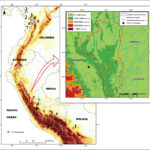
Bufotes pewzowi thrives across a broad swathe of Central Asia, specifically predominant within Kazakhstan, Kyrgyzstan, parts of Uzbekistan, Western China, and Mongolia. Its resilient nature enables it to establish a foothold in diverse environments, ranging from stony semideserts and arid steppes to alpine meadows and mountain valleys. This amphibian’s distinct ability to adapt to varying elevational gradients—from low altitudes near water bodies to peaks over 3,000 meters—showcases an incredible survival strategy honed by millennia of evolutionary pressures.
An Adaptable Survivor#
Its favored habitats include semi-arid or arid regions near freshwater sources, temporary ponds, irrigation channels, or seasonal streams. Where other amphibian species falter in harsh climates, Pewzow’s Green Toad flourishes by making judicious use of temporary lushness emerging from seasonal or intermittent rains to breed and propagate. Their capability to toggle between habitats—occasionally scattering out toward drier, rockier terrain away from immediate water sources, only returning during breeding seasons—makes their survival strategy particularly noteworthy.
During the dry periods, these amphibians often seek refuge beneath rocks, plant debris, or within small crevices to prevent desiccation, patiently awaiting rainfall that transforms their habitat into a suitable nursery for a brief yet bustling breeding season.
Physical Characteristics: Nature’s Camouflage Artist#
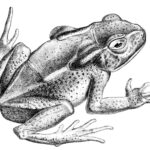
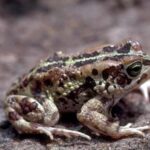
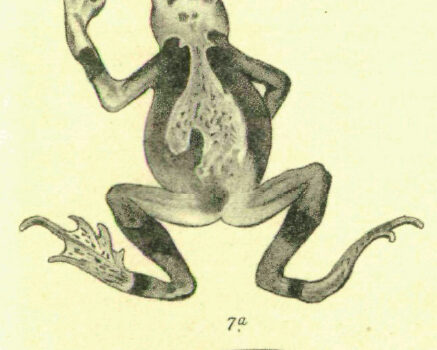
Visually striking yet masterfully blended into its surroundings, the Pewzow’s Green Toad exhibits unmistakable coloration and patterns. Adults typically range from 6 to 9 centimeters in length, with females typically surpassing males in size. Like living mosaics, their bodies sport patches and blotches of bright emerald green, olive, or occasionally a brownish hue against a lighter, cream, or white background, perfectly mimicking lichens or moss-covered rocks. Their bellies, lighter and sparsely spotted, contrast markedly with their more chromatically vibrant dorsal side, yet always adeptly preserving their camouflage.
Adaptive Features Serving Survival#
This vibrant coloration is more than just a flamboyant display—it is, paradoxically, a potent survival mechanism. Its splotchy patterns function as exceptional camouflage, rendering them nearly invisible to predators such as birds of prey, foxes, and snakes. In addition to their cryptic camouflage, their skins have granular and slightly wart-like textures, not only rendering them unappetizing to predators but also preventing excessive moisture loss in their typically dry habitats.
Furthermore, a unique adaptation observed in Pewzow’s Green Toad is their well-developed parotoid glands—located behind their eyes—which secrete toxins as a defense mechanism, giving predators a bitter lesson in caution and instantly dissuading further interest.
Behavior and Life Cycle: An Intricate Dance of Survival#
Amid seasonal rains, Bufotes pewzowi individuals congregate around temporary pools and shallow waters—a spectacle teeming with life as toads emerge from their hiding places, both responding visibly to their environment and beginning an intricate mating ritual. Males vocalize unique, melodious calls—a trilling chorus that echoes in dusk and early night. These calls both attract receptive females and assert territorial dominance amongst rival males.
Breeding and Developmental Stages#
After successful amplexus (mating), females lay elongated gelatinous strings containing thousands of small dark eggs. These strings drift gently through aquatic vegetation or rest securely among submerged twigs. In favorable conditions, tiny, free-swimming tadpoles hatch within days. Dependent entirely on aquatic ecosystems for their formative weeks, the tadpoles consume algae, detritus, and microorganisms growing within their ephemeral nurseries. Rapid development and metamorphosis occur at astonishing speeds, enabling young toads to transition to terrestrial habitats before their natal ponds vanish under the relentless sun.
The Pewzow’s Green Toad demonstrates incredible plasticity in development timing—a crucial adaptive mechanism permitting survival in unpredictable climatic conditions typical of Central Asia. Within weeks of rapid growth and metamorphosis, juveniles join their adult counterparts, venturing bravely onto dry terrain and beginning their impressive terrestrial lives.
The Ecological Role of Bufotes pewzowi#
Pewzow’s Green Toads form a critical component within their intricate ecosystems. As predators, their voracious appetites, especially amongst juveniles and adults, target a dazzling variety of arthropods: ants, beetles, spiders, moths, and insect larvae. This makes them valuable natural pest controllers, helping maintain balanced insect populations and indirectly influencing plant pollination and ecosystem stability.
Their tadpoles similarly help maintain water quality by consuming algae and microorganisms, contributing positively to aquatic ecosystem health—if only for a short-lived seasonal abundance.
Threats and Conservation Status#
While currently categorized as Least Concern by the International Union for Conservation of Nature (IUCN), Pewzow’s Green Toad populations still grapple with threats such as habitat destruction, agricultural expansion, pesticide usage, climate change, and reduced rainfall patterns. In some areas, localized populations have shown declines due primarily to human encroachment and severe droughts linked to climate variability.
Conservationists underline the importance of sustained monitoring, habitat conservation, reduced pesticide usage, and maintaining natural waterways to ensure continued abundance for this resilient species. Preservation endeavors not only bolster current population stability but foster critical ecological benefits that arise from healthy amphibian populations.
Cultural and Scientific Significance#
For local communities within their vast range, Pewzow’s Green Toad holds traditional significance. Toads typically appear symbolically within folklore and cultural practices, often perceived as signs of approaching rainfall, prosperity, or balance—perhaps indicative of the species’ intimate link to water availability. Scientifically, these toads serve as excellent bioindicators, where their sudden abundance following rains informs researchers about climatic patterns, ecosystem health, and biodiversity dynamics in arid environments.
Conclusion: Celebrating and Protecting Pewzow’s Green Toad#
Unassuming yet captivating, Bufotes pewzowi represents nature’s remarkable adaptability and delicate ecological balance. Understanding and protecting amphibia such as Pewzow’s Green Toad underscores our broader responsibility toward environmental stewardship and habitat preservation. To safeguard their continued thriving presence, we must encourage awareness, support sustainable practices, and recognize their immense ecological value, inviting all nature enthusiasts to pledge active participation and appreciation in conserving this extraordinary species.