- Introduction to the Remarkable Bufotes perrini
- Taxonomy and Classification: Unveiling A Distinct Species
- Unraveling its Natural Habitat: A Mediterranean Gem
- Appearance and Adaptations: Camouflage and Elegance in Miniature Form
- The Secret Lives of Bufotes perrini: Behavior and Life Cycle
- A Keystone Species: Understanding its Ecological Role
- Threats and the Potential for Conservation
- Cultural and Scientific Importance: A Symbol of Hidden Biodiversity
- Conclusion: Embracing Responsibility for a Precious Amphibian
Introduction to the Remarkable Bufotes perrini#
Hidden among mossy rocks and glittering pools of the Mediterranean landscape lies an amphibian whose enticing emerald hues blend seamlessly into its natural surroundings. The Bufotes perrini, commonly known as Perrin’s Green Toad or Perrin’s Toad, is an exquisite yet often-overlooked species of frog found predominantly across parts of Southern Europe. Although subtly camouflaged and relatively secretive by nature, this petite and intriguing toad boasts a remarkable capability of adaptability, much needed in a rapidly changing world.
With its arresting green and grey patterned skin, captivating golden eyes, and gentle chime-like mating calls echoing softly through twilight hours, Bufotes perrini retains an air of mystery that continuously inspires amphibian enthusiasts and biologists alike. More than just a visually alluring creature, its modest stature belies the toad’s essential role in maintaining ecological balances within its habitats. Equally fascinating is the rather recent distinction of Bufotes perrini as a standalone species, a scientific revelation underlining the ongoing discovery and appreciation of Europe’s amphibian biodiversity.
Taxonomy and Classification: Unveiling A Distinct Species#
To fully understand the charm and scientific importance of Bufotes perrini, we must journey deeper into its taxonomic heritage. Classified within the family Bufonidae, commonly referred to as “true toads”, Bufotes perrini represents one of several closely-related green toads inhabiting areas primarily throughout southern Europe. Its genus, Bufotes, is known widely for its beautiful, striking green coloration, a unique evolutionary adaptation granting camouflage advantage in their diverse habitats.
Bufotes perrini was first described as a distinct species only recently, in 2018, after detailed genetic studies highlighted substantial differences that set it apart from its close cousin, Bufotes viridis. Considering the complexity involved in amphibian taxonomy, especially amid closely resembling species, Perrin’s Green Toad serves as a striking reminder of the evolving state of taxonomic classifications as advanced molecular tools refine our understanding of biodiversity.
Unraveling its Natural Habitat: A Mediterranean Gem#
Witnessing Bufotes perrini in its natural setting feels akin to uncovering a quiet, secret gem within the vast tapestry of Mediterranean biodiversity. Primarily inhabiting regions of Southern Italy and Switzerland, particularly within regions surrounding the Po Valley and parts of the canton of Ticino, this resilient amphibian favors temperate climates and varied habitats. Habitats rich in freshwater bodies such as ponds, streams, marshes, and damp agricultural margins become the ideal breeding grounds for these moisture-loving toads.
Bufotes perrini has adapted beautifully to human-altered landscapes, thriving around irrigation canals, rural farmland, and even suburban gardens, provided suitable breeding habitats and dense vegetation are available. With the rhythm of seasons, the toad migrates in small local patterns, cautiously responding to weather and moisture rather than undertaking vast, cross-country movements. The fragmented and often human-interrupted habitats require of the species not only adaptability but careful navigation of perilous paths. Witnessing this diminutive toad elegantly maneuver through its environment—masterfully avoiding predators, hunting its prey, and embarking on precise migrations—invokes a profound respect for its evolutionary resilience.
Appearance and Adaptations: Camouflage and Elegance in Miniature Form#
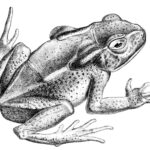
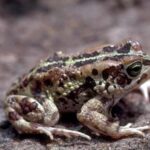
Bufotes perrini, although diminutive—generally spanning a modest 5 to 9 centimeters—commands attention through its unique visual presentation. Its coloration betrays a stunning and vivid mosaic of green blotches interwoven gracefully with shades of gray and brown. Patterns vary individually, making each toad spectacularly different yet equally promising effective habitat concealment against predators. Their eyes, flowing gold with a penetrating pupil, not only grant excellent night and twilight vision but endow them with an aesthetic quality enchanting to nature lovers fortunate enough to behold them up close.
Skin texture reveals another critical adaptation—rough and relatively dry to the touch, unlike the slippery wet appearance of frogs more common near permanent water bodies. This adaptation provides an essential survival mechanism, allowing Bufotes perrini to endure periodically dry Mediterranean summers. Specialized skin glands contain mild toxins that deter predators, from curious mammals to voracious birds and predatory reptiles, offering the compact creature an essential line of defense.
The Secret Lives of Bufotes perrini: Behavior and Life Cycle#
Hunting and Dietary Preferences#
Bufotes perrini displays subtle yet effective hunting behaviors, exploiting evenings and rainy nights to stealthily seize insects, arachnids, worms, and soil-dwelling invertebrates. Hidden beneath foliage, barely moving, it employs a tactic of patient ambush. A mere flicker of movement signals action, and with impressive precision, a sticky tongue darts outward, swiftly catching unsuspecting prey. Their voracious appetite for insects supports ecosystem balance, naturally keeping pest populations under control.
Enchanting Nights: Breeding Calls and Courtship Ritual#
As winter recedes and spring reawakens the Mediterranean landscape, the onset of warm rains serves as a clarion call for Bufotes perrini courtship. Male toads eagerly assemble near shallow waters, releasing harmonious chorus-like calls—a gentle trilling that echoes across the still evening air. Females, more understated but acutely attuned to these melodies, arrive subtly, selecting mates based on vocal vigor and persistence.
Once a mating pair forms, egg deposition occurs in strands of delicate gelatinous strings anchored ingeniously to aquatic vegetation, safeguarding progeny from swift currents and hungry predators. Larval development is fascinatingly efficient, with tadpoles progressing steadily from small, algae-grazing swimmers into miniature terrestrial toads within weeks, ready to commence their terrestrial explorations.
A Keystone Species: Understanding its Ecological Role#
The ecological significance of Bufotes perrini cannot be understated. As predator and prey simultaneously, it occupies a critical intermediary role within Mediterranean ecosystems. Its predation upon insects not only aids agricultural ecosystems by controlling pest populations but also ensures balanced populations and biodiversity integrity. Conversely, the toad itself becomes nourishment for larger animals such as snakes, birds of prey, and predatory mammals, anchoring food webs and fostering ecological harmony.
Moreover, amphibians act commonly as bio-indicators, their sensitive skin absorbing environmental shifts that directly reflect ecosystem health. Populations of Bufotes perrini thus serve as natural indicators of the quality and stability of their habitats, their presence signifying ecological health and integrity—valuable insights crucial to conservation practice and policy.
Threats and the Potential for Conservation#
Regrettably, Bufotes perrini faces a familiar set of conservation challenges. Habitat destruction due to urban expansion, intensive agriculture, and human-wildlife conflicts severely threaten viable breeding and living spaces. Pollution, both chemical and environmental (noise and light), places additional pressure on existent populations. Furthermore, climate change—a powerful existential stressor—threatens to shift rainfall patterns and disrupt breeding triggers, placing future population stability in jeopardy.
Though currently categorized as “Data Deficient” by the IUCN, ongoing research efforts aim to better understand this species’ population size, distribution, and conservation necessities. Grassroots activities, educational initiatives, and scientific programs now collaboratively strive toward habitat restoration, pollution control, and proactive response strategies aimed specifically at amphibian protection—including Bufotes perrini.
Cultural and Scientific Importance: A Symbol of Hidden Biodiversity#
Bufotes perrini commands more than mere ecological relevance. As a recently distinguished species, it embodies the crucial role of continued scientific exploration, reminding us of nature’s complexity and our evolving understanding of biodiversity. Its identification underscores the need for meticulous investigation—and highlights how much remains undiscovered within even well-studied regions.
Within local culture, toads often symbolize transformation, adaptability, and balance, a fitting representation of Bufotes perrini’s ability to navigate fluctuating environments. Continued appreciation and protection of this species deepens societal recognition of amphibian conservation, fostering empathy and environmental stewardship in communities sharing the same land.
Conclusion: Embracing Responsibility for a Precious Amphibian#
Bufotes perrini may appear unassuming at first glance—yet a closer look reveals its immense scientific, ecological, and symbolic significance. Ensuring its conservation demands our collective awareness and immediate action. By appreciating the delicate beauty, ecological importance, and fascinating biology of Perrin’s Green Toad, we can actively participate in safeguarding its habitats. Let us embrace the responsibility and opportunity we hold to protect the enchanting ecosystems this small amphibian calls home—preserving biodiversity for generations yet to experience its quiet, magical song.