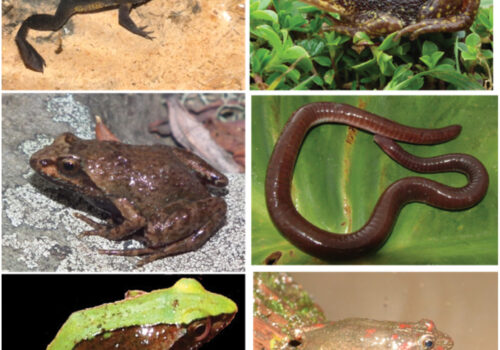
Ansonia pilokensis: Discovering the Secretive Life of Borneo’s Stream-Dwelling Treasure#
Deep within the lush, verdant rainforest of Borneo, where sunlight dances through dense foliage and crystal-clear streams babble gently amidst vibrant moss-covered rocks, resides an elusive creature known as Ansonia pilokensis. This small yet resilient amphibian, belonging to the true toad family Bufonidae, captivates both naturalists and conservationists with its distinctive characteristics and intriguing ecological role. Sometimes known informally as the Pilok stream toad, Ansonia pilokensis remains hidden from popular knowledge yet embodies a fascinating blend of beauty, adaptability, and survival strategy. Though petite in stature, its significance within the complex ecosystems of the Bornean wilderness far exceeds its modest appearance.
The story of Ansonia pilokensis is more than merely an exploration of its remarkable biological features; it’s an invitation to journey into a richly woven tapestry of interconnected life forms, a narrative of delicate balance and poignant vulnerability. Let us embark together into the rainforest depths to unravel the compelling secrets of one of nature’s lesser-known jewels.
Taxonomy and Classification#
In scientific nomenclature, clarity is paramount. The naming of living organisms follows a systematic structure to avoid confusion and foster precise understanding. Ansonia pilokensis, commonly classified within the family Bufonidae, belongs specifically to the genus Ansonia. This genus, first described in the 19th century, encompasses small slender-bodied toads often found in Southeast Asian stream habitats and recognized for their distinct ecological niches.
First scientifically documented by Matsui and colleagues in 2010, the species remains one of the more recent additions to the tapestry of Southeast Asian amphibian diversity. Its specific epithet, pilokensis, references its discovery location, vividly anchoring it in the rich biological heritage of the Pilok region, further underscoring its restricted geographic specificity.
Natural Habitat#
Geographic Distribution and Range#
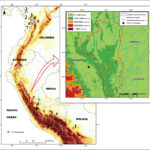
Ansonia pilokensis exhibits a highly localized distribution, limited strictly to particular areas within the mountainous rainforests of Borneo. It is particularly known from secluded regions of Sarawak, Malaysia, where robust evergreen ecosystems provide ideal environments for flourishing amphibian populations.
The isolated mountain streams, characterized by fresh, clear, and swiftly moving waters, represent its prime habitat. This species seldom strays far from such vital aquatic resources, revealing its precise ecological preference and further emphasizing its specialization and environmental sensitivity.
Habitat Preferences and Microhabitat Selection#
The species benefits significantly from the dense layers of foliage provided by mature tropical forests. These canopies not only regulate temperature and humidity but also provide both shelter and ample food resources. The forest understory, enriched by moisture and shadow, embodies a veritable refuge, protecting the toad from environmental extremes and potential predators.
Rocky stream habitats stimulate unique adaptations. Clear, fast-flowing mountain streams act as both breeding grounds and crucial sanctuaries. Almond-shaped rocks and crevices provide cozy hideaways, and the cool, highly oxygenated water creates ideal conditions for breeding, nurturing eggs, and supporting developing tadpoles.
Physical Characteristics#
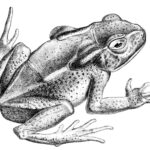
Though diminutive, measuring just around 20 to 30 millimeters, this petite amphibian exhibits a captivating array of physical features finely tuned to its specific lifestyle. Its slender physique, elongate limbs, and streamlined shape suggest an organism superbly adapted to navigate slippery rocks and cascading streams.
Coloration and Camouflage#
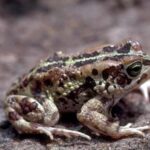
Subtle yet enchanting, Ansonia pilokensis showcases earthy colorations primarily defined by greens, browns, and shades of olive. Such cryptic hues grant effective camouflage against the backdrop of wet leaves, lichen-covered bark, and smooth riverine rocks. Each specimen blends effortlessly into its surroundings, its presence often betrayed only by careful observation by experienced field naturalists.
Skin Adaptations and Defense Mechanisms#
Its skin manifests a slightly granular texture, providing essential protection from abrasion within turbulent waters. Tiny glands scattered across its skin surface produce mild toxins which deter certain predators, a common and effective adaptation observed among many Bufonidae species inhabiting predator-rich ecosystems.
Behavior and Life Cycle#
Though elusive and discreet, Ansonia pilokensis demonstrates fascinating behavioral strategies crucial to survival. Understanding these behaviors offers meaningful insights into its ecological adaptation and evolutionary journey.
Diet and Feeding Habits#
An opportunistic yet specialized hunter of insects and small invertebrates, this species employs both selective foraging and ambushing tactics. It frequently patrols near water edges at dawn and dusk, hunting ants, flies, beetles, and aquatic larvae with impressive accuracy and precision.
Movement is minimal but calculated, as pilokensis toads capitalize heavily on stealth and camouflage. Rapid tongue extensions and precise leaps ensure a high capture success rate, critical given their limited size and energy constraints.
Breeding Behaviors and Reproductive Adaptations#
Few natural events are as strikingly captivating as amphibian courtship rituals. Male Ansonia pilokensis vocalize melodious, rhythmic mating calls during breeding seasons, creating subtle choruses above the melody of bubbling streams. These calls resonate softly in rainforest ravines, carefully attuned to break through the surrounding ambient noise without unnecessarily attracting predators.
Once mating occurs, pairs carefully select shaded rocks positioned midstream, minimizing predation risks from terrestrial predators. Eggs are deposited underwater, secured to small stones or submerged vegetation surfaces. Upon hatching, tadpoles develop rapidly, consuming algae and organic detritus found on river substrates, completing their metamorphosis within weeks. This accelerated developmental period emerges as an adaptation to ephemeral conditions found in mountain streams, ensuring survival even amid unpredictable environmental changes.
Ecological Role#
As both predator and prey, Ansonia pilokensis occupies a significant place within the food web of its delicate ecosystems. By moderating insect populations through predation, it maintains balance and stability, contributing to overall ecological harmony.
Its larvae also benefit aquatic habitats, grazing on algae and ensuring stream cleanliness and transparency. In turn, this toad becomes prey for larger predators, including reptiles, birds, and mammals, continuing life’s ongoing cyclical dance of predator and prey relationships within Borneo’s rich rainforests.
Threats and Conservation Status#
Sadly, habitat destruction ranks prominently among threats facing Ansonia pilokensis. Logging, agriculture expansions, and infrastructure development continually erode crucial frog habitats. Fragmentation leaves populations isolated and vulnerable, increasing susceptibility to extinction.
Climate change intensifies these threats, compromising stream stability, water flow, and temperature levels. Emerging infectious diseases, including chytridiomycosis, further threaten amphibian populations globally, and vigilance remains imperative in understanding their potential impacts on regional populations.
Currently classified as Data Deficient by the IUCN, the lack of specific data on total population size and defined threats underscores the necessity of further scientific research and increased conservation action to secure its survival.
Cultural and Scientific Significance#
While scarcely prominent in mainstream culture, amphibians like Ansonia pilokensis serve as meaningful ecological indicator species and scientific subjects. Their sensitivity provides early warnings of environmental disturbance and ecosystem degradation, informing conservationists and policymakers about environmental health.
Aside from environmental considerations, the species contributes directly to local biodiversity richness, representing unique evolutionary pathways and genetic diversity deserving protection. Scientific studies of such amphibians unearth valuable information on adaptation, resilience, and evolutionary biology, enlightening our understanding of life’s complex interplay.
Conclusion and Call to Action#
The captivating story of Ansonia pilokensis illustrates vividly how even the smallest wonders can illuminate larger interconnected ecological relationships, yet highlights their frightening fragility. Safeguarding this hidden gem requires sustained conservation actions, habitat preservation efforts, and increased awareness among public and policymakers alike.
As nature enthusiasts, conservation advocates, students, scientists, or thoughtful individuals, we each possess capacities to learn, engage, support research, and advocate progressive conservation initiatives. May the shimmering mountain streams and melodic choruses of this remarkable amphibian continue enchanting generations to come—our stewardship today determines the richness, wonder, and biodiversity of tomorrow.