- The Enigmatic <i>Bufoides kempi</i>: A Journey into the Life of Kemp's Asian Tree Toad
- Taxonomy and Scientific Classification
- Natural Habitat and Geographical Distribution
- Physical Characteristics and Morphological Adaptations
- Behavior and Life Cycle
- Ecological Importance: Guardians of the Forest Floor
- Threats, Conservation Status, and Protective Measures
- Cultural and Scientific Significance
- Conclusion: A Small Creature with a Vital Story
The Enigmatic Bufoides kempi: A Journey into the Life of Kemp’s Asian Tree Toad#
Hidden amid the dense undergrowth of the lush, mist-covered rainforests of Northeast India, a peculiar little amphibian thrives in secrecy. Bufoides kempi, affectionately known as Kemp’s Asian Tree Toad, remains an enigmatic yet enthralling representative of the region’s rich amphibian biodiversity. Swimming between folklore and science, this tiny guardian of the forest floor, with its soft chirping melodies and cryptic camouflage, enchants both researchers and nature enthusiasts alike.
Discovered more than a century ago, yet remaining scarcely studied and even less understood, Bufoides kempi embodies the mystique of the lesser-known inhabitants in Earth’s precious natural tapestry. In this comprehensive profile, we journey deeply into the hidden world of Kemp’s Asian Tree Toad, unraveling their behavior, adaptations, and the pressing reasons we must preserve their delicate habitats.
Taxonomy and Scientific Classification#
Understanding Bufoides kempi begins with recognizing its spot within the broader taxonomic chart. This amphibian belongs to the family Bufonidae, better recognized by nature enthusiasts as the ‘true toads.’ However, unlike its terrestrial cousins in the genus Bufo, Bufoides species often occupy arboreal habitats and exhibit peculiar morphological traits suited specifically to life among branches and leaves.
Initially described scientifically by the eminent zoologist George Albert Boulenger in 1919, the species was named in honor of Stanley Wells Kemp, a noted British naturalist whose intensive research expeditions through India significantly enriched our zoological knowledge.
Thus, the classification distinctly reads:
- Kingdom: Animalia
- Phylum: Chordata
- Class: Amphibia
- Order: Anura
- Family: Bufonidae
- Genus: Bufoides
- Species: Bufoides kempi
Natural Habitat and Geographical Distribution#
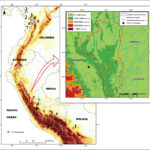
Bufoides kempi calls a relatively confined region home, most notably found in the verdant hills, subtropical evergreen forests, and gentle mountainous landscapes scattered across Northeast India, including Meghalaya, Arunachal Pradesh, and Assam. Occasionally, reports indicate they may exist in adjacent habitats in Bangladesh and possibly parts of Myanmar, yet these reports remain infrequent and necessitate further exploration.
These amphibians favor moist wooded areas, thriving particularly in damp leaf-littered forest floors, shadowy depressions, and near gently trickling forest streams. The habitat they select offers ideal humidity and temperature, as well as critical protection from predators. Here, the symphony of dripping water and the whispering canopy treetops creates the backdrop against which their nocturnal choruses can softly reverberate, contributing uniquely to forest acoustics.
This preference for humid environments is integral to their moisture-dependent skins. Amphibians like Kemp’s Asian Tree Toad rely on permeable skin to facilitate essential respiration and hydration processes, rendering them vulnerable to disrupted environmental balances found in disturbed habitats.
Physical Characteristics and Morphological Adaptations#
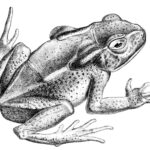
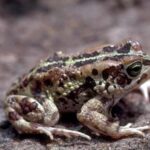
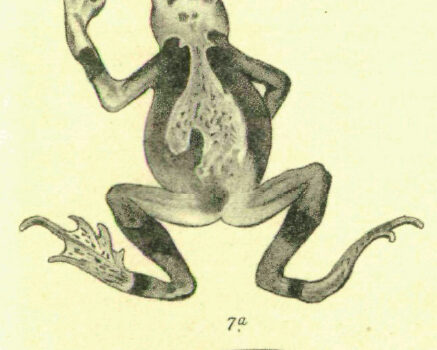
Measuring just around 3-4 centimeters on average, Kemp’s Asian Tree Toad may appear inconspicuous at first glance. However, careful observation reveals captivating beauty in their subtle details. Their skin, soft yet textured with tiny granular warts, typically exhibits shades from gentle olive greens to muted grays or browns—securing their superb camouflage amongst dead leaves and bark.
Two distinctive dorsolateral ridges run parallel down their back, a morphological adaptation providing necessary structure without impeding flexibility. Their eyes, relatively large and protuberant, reflect a beautiful gold to coppery hue under moonlight, enhancing night vision as they embark on their nightly escapades.
Their elongated fingers and toes, equipped with small adhesive pads, betray their arboreal leanings, allowing precise grip and delicate climbing on vertical surfaces. The unique combination of terrestrial behavior with a surprising capacity for climbing exemplifies the adaptive versatility of Bufoides kempi, fine-tuned by countless years of evolutionary honing.
Behavior and Life Cycle#
Nocturnal Foragers of the Rainforest Floor#
Nights in the rainforests inhabited by Kemp’s Asian Tree Toad see them emerge from cover to forage actively. Small insects, spiders, beetles, ants, and termites constitute their usual diet. Like skilled hunters, they sit motionless and vigilant, springing into action with remarkable accuracy aided by excellent eyesight and sensitive hearing, snatching prey swiftly with their sticky tongues.
Their nocturnal nature comes with good reason—nighttime offers cooler, moister environments that their sensitive skins require, ample prey activities, and diminished risks from daytime predators such as birds and snakes.
Mating Season: Song of the Forest Floor#
During the warm, rainy season, usually running from late April through July, the usually quiet life of Bufoides kempi takes a vibrant turn. Males gather around shallow forest streams and pools, producing melodic yet somewhat plaintive chirping calls—an auditory romance designed explicitly to attract discerning females.
After mating, females lay gelatinous egg masses in calm, shallow waters, carefully positioned under leaf litter or submerged vegetative debris. These hidden nurseries offer shelter from predators, ensuring future generations’ survival. Tadpoles emerge after several days, spending roughly four to six weeks metamorphosing into young toads—a remarkable transformation portrayed vividly in the unfolding narrative of the forest’s life cycle.
Ecological Importance: Guardians of the Forest Floor#
Kemp’s Asian Tree Toads serve crucial ecological roles in their fragile ecosystems. As insectivores, their dietary behaviors help control insect populations, including agricultural pests and disease vectors, indirectly supporting agricultural communities and human health. Simultaneously, as prey, they sustain higher trophic levels, providing nutrition for snakes, birds, and mammals.
Moreover, as bioindicators, amphibians like Bufoides kempi signify the health of their ecosystems. Their permeable skin and precise environmental demands make them positively sensitive to pollution, climate shifts, and habitat degradation, translating their populations into critical monitors of environmental change.
Threats, Conservation Status, and Protective Measures#
While scientific data on Bufoides kempi remains somewhat limited due to its elusive nature, conservationists clearly warn of significant threats facing Northeast India’s forests. Habitat loss, primarily due to agricultural expansion, tea plantations, timber harvesting, and infrastructure development, is the most significant immediate concern. Additionally, climate change and rising pollution levels exacerbate these pressures, altering availability and quality of breeding habitats.
Currently, the IUCN Red List categorizes Bufoides kempi as “Data Deficient,” marking an urgent need for comprehensive field studies. Conservation programs advocating native habitat protection, local environmental education, sustainable agricultural development, and strict enforcement of forest conservation laws form front-line defenses to safeguard the survival of this species and its ecosystem.
Cultural and Scientific Significance#
Kemp’s Asian Tree Toad may lack direct representation within local folklore, yet its ecological value contributes indirectly to traditional communities dependent upon harmonious landscapes. Scientific interest amplifies, as researchers recognize the toads’ potential as bioindicators – species embodying critical environmental health insights valuable to ecological management and human welfare co-dependence.
Conclusion: A Small Creature with a Vital Story#
Although small and concealed, the story of Bufoides kempi powerfully underscores life’s vulnerability and fascinating complexity in habitats we too often overlook. As our journey through the dense woodlands of India’s Northeast reminds us, appreciating and protecting Kemp’s Asian Tree Toad means far more than safeguarding a single species—it symbolizes broader commitments to biodiversity, scientific curiosity, and ethical stewardship over Earth’s irreplaceable natural heritage.
Let us heed the subtle song of Bufoides kempi—not only in admiration but also in mindful actions promoting its protection. Our future, intertwined indelibly with all other living beings, depends fundamentally upon preserving life’s wondrous diversity.