Bufo yunlingensis: Exploring the Hidden World of Yunnan’s Enigmatic Toad#
Beneath the mist-shrouded forests and moss-covered stones of southwestern China’s mountainous Yunnan region, dwells a curious amphibian known to science as Bufo yunlingensis. This frog species—often obscured from public attention by its elusive nature—holds more intrigue than its modest appearance may suggest. A lesser-known resident of China’s rich biodiversity corridors, B. yunlingensis embodies both the delicate complexity and rugged resilience of nature’s design.
Discovered only relatively recently and still shrouded in ecological mystery, Bufo yunlingensis provides conservationists, scientists, and naturalists alike with a fascinating glimpse into a species uniquely adapted to its specialized mountain habitats. But what makes this frog truly remarkable, and why is understanding its story so crucial for the conservation of biodiversity in China and beyond?
Taxonomy and Classification#
Accurately identifying and classifying a frog species serves as the fundamental building block for understanding its biology. Scientifically categorized within the family Bufonidae—which includes familiar toads worldwide—Bufo yunlingensis belongs to the large genus Bufo. Within this genus exist species noted for their adaptability to diverse habitats, yet this particular species remains uniquely tied to specialized ecological niches in southwestern China (Yunlingensis literally translating to “from Yunling Mountains”). It was first described officially by scientists Zhao, Li, and Liu in 1995, marking it as a relatively recent entry into herpetological records.
Close relatives include other Chinese highland toads such as Bufo gargarizans and Bufo andrewsi, yet B. yunlingensis distinguishes itself through subtle variations in morphological characteristics and ecological preferences, making it an intriguing subject for ongoing amphibian research and study.
Natural Habitat#
A Realm of Mist and Moss: Geographic Range#
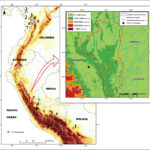
Bounded by steep terrain, cloud-draped valleys, and dense foliage, the Yunnan Province provides an idyllic yet demanding habitat for Bufo yunlingensis. Specifically found in the Yunling Mountains—after which it garnered its scientific name—this species inhabits elevations ranging between approximately 2,000–3,000 meters above sea level, favoring cooler climates and constant moisture levels associated with higher altitude forests.
The region is defined by temperate broadleaf and evergreen forest interspersed with riparian zones and streams. Dense layers of moss, lichen, and leaf litter provide both cover and critical hunting grounds. It is within these humid microhabitats, sheltered by towering conifers and shadowy undergrowth, that this secretive amphibian thrives.
An Adaptive Specialization#
Adaptation to this mountainous habitat has brought about specific ecological specializations in B. yunlingensis, including refined camouflage strategies and physiological adaptations that permit resilience against fluctuating temperatures and humidity. The frequent fog and rainfall characteristic of the Yunling Mountains provide ample moisture crucial for maintaining their delicate respiratory and skin requirements, reinforcing the strong correlation between their survival and habitat integrity.
Physical Characteristics#
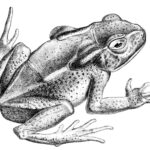
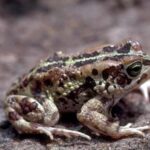
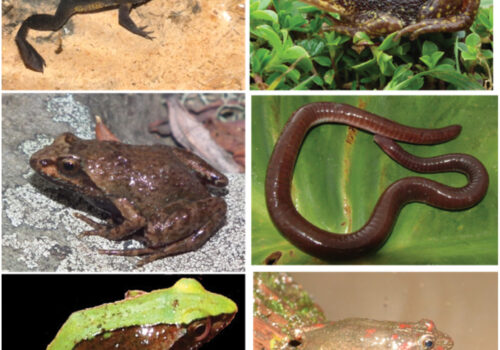
Remarkably cryptic in appearance, Bufo yunlingensis is an unassuming creature at first glance. Typically ranging from 40–70 millimeters in length, these small to medium-sized toads display subtle color variations, often a blend of earthy browns, grays, or olive greens that harmonize seamlessly with their moss-covered surroundings. This cryptic coloration offers essential protection from predators lurking amidst the forest floor’s shadows and leaf litter.
Their rough-textured skin, studded with prominent glands and tiny warts, not only enhances their camouflage but also secretes toxins as a defensive measure against predators. Their prominent eyes—large and reflective—are specialized to capture faint movements of potential prey even under limited forest canopy light.
A distinct morphological feature for identification is the presence of a well-developed pair of parotoid glands situated behind the eyes. These glandular structures release toxins when the toad feels threatened—a passive yet effective deterrent contributing to the frog’s survival strategies.
Behavior and Life Cycle#
Serene Hunters of the Forest Floor#
A patient and adept predator, Bufo yunlingensis primarily employs a “sit-and-wait” hunting strategy. Blending into leaf litter and moss beds, these amphibians patiently await passing invertebrates—predominantly ants, beetles, spiders, and small insects—to unwittingly stray too close before swiftly extending their sticky tongues to capture prey.
Vocalizations, Courtship, and Reproduction#
The Yunling toad exhibits elaborate reproductive behaviors closely allied to the misty seasonal rhythms of their habitat. Breeding tends to occur during rainy seasons when streams and forest pools swell—creating optimal nursery grounds for developing amphibian larvae. Males announce readiness to mate through a distinctive vocalization, a soft yet persistent call that resonates throughout damp forests, blending seamlessly into the chorus of other night-singing forest denizens.
Females deposit long strands of jelly-coated eggs in shallow, quiet waters. Hatchlings rapidly evolve from eggs into free-swimming tadpoles, embarking on a time-sensitive developmental journey from aquatic larvae to terrestrial adults. This lifecycle transformation symbolizes adaptability—emphasizing the species’ exceptionally delicate dependency on precise environmental cues and stable natural ecosystems.
Ecological Role#
Far more important than its small stature suggests, Bufo yunlingensis occupies a vital ecological niche as both predator and prey within its mountainous forest ecosystems. By controlling insect populations, these amphibians play a critical role in maintaining the delicate balance of their forest habitats, thus helping sustain biodiversity and ecological health.
Moreover, this species serves as a vital food source for larger predators, including birds, snakes, and carnivorous mammals, creating essential trophic linkages that keep these ecosystems vibrant and diverse. Additionally, amphibians like B. yunlingensis act as efficient environmental indicators, their presence and abundance—or decline—revealing subtle changes in environmental health long before more apparent signs emerge.
Threats and Conservation Status#
Presently classified as “Vulnerable” in China’s regional conservation assessments, Bufo yunlingensis faces several significant threats that jeopardize its long-term persistence. Primary among these is habitat degradation due to agriculture expansion, deforestation for timber extraction, and human settlement encroachment, severely fragmenting the already specialized and fragile forest ecosystems upon which they depend so heavily.
Moreover, climate change brings additional stress, as fluctuating temperatures and unpredictable rainfall patterns profoundly impact this species’ breeding cycles and development timing. Disease, particularly chytrid fungus, poses another looming global threat affecting amphibian populations worldwide, which highlights the urgent need for increased monitoring within their isolated habitats.
Cultural and Scientific Significance#
While not as culturally prominent as some other Chinese amphibian species, Bufo yunlingensis nonetheless embodies significant ecological and scientific value. Scientists regard this toad as a valuable model organism for studying high-altitude adaptations, amphibian reproductive cycles, and responses to environmental change.
Furthermore, the Bufo genus, widespread throughout China, carries symbolism related to prosperity, adaptability, and environmental harmony in Chinese traditional culture—symbolizing how even obscure species hold quiet yet profound significance in human-nature interactions.
Conclusion#
Bufo yunlingensis may remain hidden deep within the forest mists and verdant moss carpets of the Yunling Mountains, yet understanding and protecting these small amphibians means safeguarding our shared ecological heritage. Increasing awareness and supporting habitat preservation efforts represent essential steps toward securing a future where this mysterious yet charming mountain toad continues its timeless role as a quiet but crucial guardian of forest ecosystems.
You can help support these habitats by advocating conservation, educating others about amphibian importance, and supporting local and international initiatives dedicated to amphibian preservation. Together, let’s ensure these quiet ambassadors maintain their hidden yet invaluable place within our planet’s vibrant biodiversity tapestry.