- Bufo sachalinensis: Exploring the Fascinating World of the Sakhalin Toad
- Taxonomy and Classification: Understanding the Sakhalin Toad’s Place in Nature
- Natural Habitat: Mysteries Hidden Below the Temperate Forest Canopy
- Physical Characteristics: The Beauty of Subtle Adaptations
- Behavior and Life Cycle: A Quiet Existence Full of Intrigue
- Ecological Role: Guardians of Temperate Woodland Balance
- Threats and Conservation Status: Guarding the Future of <em>Bufo sachalinensis</em>
- Cultural and Scientific Significance: Toads as Symbols of Forest Resilience
- Conclusion: Embracing the Quiet Splendor of Sakhalin's Amphibious Guardian
Bufo sachalinensis: Exploring the Fascinating World of the Sakhalin Toad#
Under the lush canopy of eastern Russia’s temperate forests lives an elusive, fascinating amphibian, quietly hopping amongst damp leaf litter and serene ponds—the Sakhalin Toad, scientifically known as Bufo sachalinensis. From its secretive daily habits to its uniquely hardy adaptations to cold climates, this often-overlooked amphibian holds essential lessons about resilience, biodiversity, and ecological balance. While their tiny eyes reflect a quiet, nocturnal journey through moist vegetation and their eccentric hops hardly draw attention, their subtle presence profoundly influences the delicate harmony of their natural habitats. Let’s immerse ourselves in the captivating world of Bufo sachalinensis, where science merges seamlessly with the wonderment of discovery.
Taxonomy and Classification: Understanding the Sakhalin Toad’s Place in Nature#
The Sakhalin Toad (Bufo sachalinensis) belongs to the Bufonidae family, commonly known as true toads. This celebrated family encompasses approximately 600 diverse species worldwide, renowned for their drier, seemingly “warty” skin and robust adaptations to terrestrial habitats compared to other amphibians. Within this expansive family tree, Bufo, the genus to which our Sakhalin Toad adheres, is well recognized for its representatives’ broad geographical distribution, particularly across Europe, Asia, and North America.
Closely allied to species such as the common toad (Bufo bufo), Bufo sachalinensis shares many ancestral traits with its cousins, though diverging slightly due to its specific ecological niche and unique geographical isolation. Initially described by Nikolsky in 1905, its scientific name commemorates Sakhalin, reflecting its predominant distribution within the Russian Far East and parts of Northeast Asia.
Natural Habitat: Mysteries Hidden Below the Temperate Forest Canopy#
The story of the Sakhalin Toad begins beneath the dense forests and marshland fringes of the Far East, particularly in the regions of eastern Russia, Sakhalin Island, and some territories in northeastern China and Korea. Defined by a temperate and somewhat maritime climate, these areas provide the perfect stage upon which the life of Bufo sachalinensis unfolds.
Thick moss carpets and fallen logs frame a scene infused with dampness and dappled sunlight. Skies often moistened by subtle rains and misty conditions create a subtly humid microclimate. Within these conditions, the Sakhalin Toad favors woodland edges, taiga undergrowth, and tranquil marshes and ponds—areas where lush vegetation offers both shelter and prey. The presence of clean freshwater bodies is indispensable, not only for the adults’ survival but also to host tadpole nurseries during breeding seasons.
An extraordinary adaptation makes this toad particularly fascinating: survival in relatively cool climatic conditions. Unlike many amphibians that require warmer, more tropical temperatures, the Sakhalin Toad has adapted for resilience, quietly thriving amidst cooler forests, tolerating shorter summers, longer winters, and seasonal changes that would challenge many other amphibians. Their habitat opportunities and specialized physiology fuse elegantly, painting a picture of an evolutionary marvel impeccably suited to its wild Russian home.
Physical Characteristics: The Beauty of Subtle Adaptations#
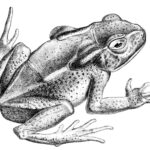
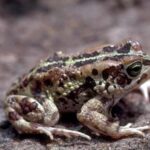
The appearance of the Sakhalin Toad resonates closely with the classic perception of a true toad—an earthy character, pragmatically designed yet intriguingly captivating in its functional beauty. Adults typically measure between 5 to 9 centimeters in length, with females generally larger than males—a common characteristic in amphibians known as sexual dimorphism.
Their sculpted body frame, sturdily built and low to the ground, is generously covered with the telltale warts characteristic of their genus—small, granular bumps concealing specialized glands. These glands are not mere irregularities but vital secretory organs releasing mild toxins, helpful to deter predators and safeguard their delicate existence. Their skin, sporting various shades from olive-green to grayish brown, features subtle mottled patterns that remarkably mimic the leaf litter and sodden logs of their moist habitats. This cryptic coloration plays a pivotal role, offering refined camouflage essential for survival in environments bustling with quiet drama—interactions between established predators and vigilant prey.
The eyes of this toad, large and inquisitive with horizontally elliptical pupils, are adapted for low-light hunting and nocturnal activity. Their limbs are short and stocky, articulating strong bones and agile digits equipped for land maneuverability but moderately suited for swimming. Those powerful hind legs allow descriptively clumsy but surprisingly effective short-distance hops, enabling the toads to leap from danger or intercept unsuspecting prey.
Behavior and Life Cycle: A Quiet Existence Full of Intrigue#
Feeding Habits: Patient Predators in Nighttime Shadows#
The Sakhalin Toad is primarily nocturnal, emerging slowly from the sheltered seclusion of damp logs or rock crevices as the daylight dims. Under cover of darkness, they diligently patrol their territory in search of unsuspecting invertebrate prey such as beetles, ants, slugs, earthworms, and spiders. Subtly agile yet methodical, the toad hunts largely by ambush—waiting patiently, perfectly still until prey unsuspectingly traverses too close, allowing for quick capture using their strong jaws and sticky tongues.
Mating and Reproduction: An Aquatic Ballet of Survival#
When spring arrives, triggering waves of warmth through frosted forests, Sakhalin Toads awaken from their winter hibernation, instinct driving them toward breeding grounds—shallow, ephemeral pools or permanent freshwater bodies. Male Sakhalin Toads, fueled by reproductive imperative, vocalize their rhythmic, harmonious calls of attraction, luring compliant partners to join them in aquatic courtship.
Egg-laying occurs in the protective embrace of still waters. Females delicately deposit strings of bead-like eggs into the gentle embrace of underwater vegetation or partially submerged debris. Over subsequent days, these gelatinous strands containing nutritious embryos weave a tale of metamorphosis and adaptation. Tadpoles hatch, busying themselves immediately with consuming micro-organisms and aquatic vegetation, transforming gradually into terrestrial beings over several weeks. This metamorphosis—changing their physical form, respiratory system, and dietary requirements—is a remarkable display of Nature’s resilience and evolutionary nuance.
Ecological Role: Guardians of Temperate Woodland Balance#
At first glance, this humble toad may seem an inconsequential participant in its ecosystem. Yet, its ecological importance is profoundly understated. The Sakhalin Toad serves vital roles—an active predator managing insect and invertebrate populations, preventing over-explosion of pests, while simultaneously providing a valuable food source for birds, snakes, and mammals.
Furthermore, amphibians like the Sakhalin Toad are ecological indicator species. Their permeable skin and water-dependent reproduction methodologies make them especially susceptible to pollution, disease, and climatic shifts. A stable Sakhalin Toad population frequently reflects the overall health and harmony of their ecosystems. Conversely, noticeable declines offer sobering ecological warnings of underlying deterioration or threats to biodiversity.
Threats and Conservation Status: Guarding the Future of Bufo sachalinensis#
Currently, the Sakhalin Toad’s conservation status remains relatively stable, not specifically listed on the International Union for Conservation of Nature (IUCN) Red List at this time. However, subtle yet insidious threats loom—primarily through habitat loss, urbanization, deforestation, water pollution, and climate change shifting subtle ecological dynamics. Amphibians globally are in decline due to diseases like chytridiomycosis, a fungal pathogen devastating many amphibian populations worldwide; thus, vigilance and conservation actions are essential proactive measures.
Organizations and local conservationists work persistently in the Sakhalin Toad’s range to study, protect, and thoughtfully manage forest and freshwater habitats. Advocates and researchers collaborate regularly, promoting conservation awareness and addressing potential habitat degradation and pollution threats, providing an optimistic perspective on the species’ future.
Cultural and Scientific Significance: Toads as Symbols of Forest Resilience#
Although the Sakhalin Toad is understated in folklore compared to other amphibians, indigenous communities historically appreciate these animals as indicators of environmental health—storytellers of the land’s secrets, hidden beneath tranquil waters and lush vegetation. Scientifically, amphibian research, including regular monitoring of populations like Bufo sachalinensis, offers significant insights into bioindicator applications and global environmental change markers.
Conclusion: Embracing the Quiet Splendor of Sakhalin’s Amphibious Guardian#
In the underappreciated yet extraordinary figure of the Sakhalin Toad, nature enthusiasts discover an ambassador—quietly resilient, subtly beautiful, and ecologically irreplaceable. As stewards of our shared natural world, understanding, respecting, and protecting creatures like Bufo sachalinensis empowers us to nurture flourishing biodiversity for generations yet to come. Let us cherish this amphibian’s delicate world, not simply as observers but as advocates determined to safeguard its future.