- Exploring Europe's Common Toad (Bufo bufo): A Close Encounter with an Unassuming Amphibian
- Taxonomy and Classification of Bufo bufo
- The Realm of the Common Toad: Natural Habitat
- Physical Characteristics: Nature's Subtle Marvelry
- Life Cycle and Behaviors: Intimate Vignettes from Nature's Calendar
- Ecological Role: Integral Threads in Nature's Web
- Threats and Conservation Status: Protecting Common, Yet Vulnerable Residents
- Cultural and Scientific Significance: Beyond Biological Boundaries
- Conclusion: Towards Deeper Appreciation and Conservation Action
Exploring Europe’s Common Toad (Bufo bufo): A Close Encounter with an Unassuming Amphibian#
Imagine strolling alongside a tranquil woodland pond on a gentle, moonlit spring night. The air is moist and cool, filled with the fresh scent of earth and the gentle rustling whispers of trees awakening from winter’s slumber. Suddenly, a low, resonant croak permeates the quiet. It seems to roll along the water, echoing off moss-covered banks—an unmistakable call indicating one of nature’s most fascinating rituals unfolding nearby. This enchanting soloist, guardian of cool ponds and shadowy forest floors, is none other than Europe’s iconic amphibian, the Common Toad—scientifically known as Bufo bufo.
Bufo bufo, a species abundant yet often overlooked, plays a crucial role in the delicate tapestry of its ecosystems. Widely distributed across Europe and parts of Asia, it has long captivated naturalists, conservationists, and curious wanderers alike, each discovering in its humble demeanor unexpected intricacies and unique adaptations.
Taxonomy and Classification of Bufo bufo#
Understanding the identity of this amphibian protagonist begins at the roots of its scientific classification. Bufo bufo resides within the order Anura, making it decisively a toad—distinct from frogs by various morphological traits and attributes. Within Anura, it inhabits the family Bufonidae, known collectively as true toads. This family encompasses species characterized by their rough, granular skin, stout limbs, shorter hind legs designed for walking rather than jumping, and prominent poison glands—traits that Bufo bufo exemplifies prominently.
The genus Bufo itself includes several closely-related toad species around the globe, many bearing similar physical traits and survival mechanisms. Yet, Bufo bufo holds a unique prominence across much of Europe, subtly distinct and uniquely adapted to temperate climates, woodland habitats, and seasonal ponds across the continent. Despite the familiarity implied by the common name “Common Toad,” a deeper exploration reveals a creature of extraordinary ecological importance and intriguing biological adaptations.
The Realm of the Common Toad: Natural Habitat#
To truly know the Common Toad, one must venture into its preferred habitats—those serene yet complex ecosystems frequently encountered across temperate Europe. From the British Isles extending eastward through continental forests, wetlands, parks, and even suburban gardens, Bufo bufo exhibits remarkable adaptability. It has been found from Spain and Portugal in the west across central and eastern Europe, penetrating deep into Siberia and western Asia. Yet, despite this broad distribution, its presence strongly correlates with certain habitat features that offer shelter, food, and opportunities for reproduction.
Ponds, Forests, and Woodland Floors#
Bufo bufo thrives especially where terrestrial and aquatic environments intersect. Adults are predominantly terrestrial in nature, frequently seeking refuge under logs, beneath stones, and amid leaf litter in deciduous, mixed, and coniferous forests. Owing to their permeable skin, moisture retention is crucial. Thus, shady, damp areas replete with suitable hiding spots define their favored domains, allowing these amphibians to remain hydrated and safe from predators during the daytime.
Yet, every spring, with warming temperatures coaxing activity from the dormant landscape, the Common Toad undertakes a remarkable migration. Driven by instinct, adults journey en masse back to their natal breeding ponds, often the very water bodies where they initially metamorphosed from tadpoles. During this extraordinary annual migration, hundreds—or even thousands—of industrious toads travel by night, traversing roads, fields, and human settlements in a shared determination to reproduce.
Physical Characteristics: Nature’s Subtle Marvelry#
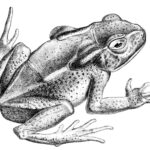
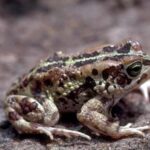
At first glance, the Common Toad may appear modest, even ordinary—an amphibian lacking the vivid hues and showy adornments one might associate with more exotic species. Measuring between 8 to 15 centimeters in length, females tend to be notably larger than males. Their robust, squat bodies feature short yet powerful limbs, well-designed for deliberate, steady locomotion rather than energetic leaps or athletic bounds characteristic of certain frogs.
Skin Texture and Defensive Adaptations#
Perhaps the toad’s most distinguishable trait is its dry, warty skin—a texture often associated incorrectly with mythological or unsettling imagery. However, this rough skin is supremely adapted for terrestrial life. Designed to minimize moisture loss, it grants these amphibians critical advantage during prolonged periods away from water. Furthermore, prominent glands called parotoid glands protrude prominently behind the eyes, secreting mild bufotoxins—defensive chemicals unpalatable and mildly toxic to predators. While largely harmless to attentive humans, these toxins discourage many potential predators like birds, dogs, and hedgehogs, ensuring their continued survival within a challenging ecosystem.
Coloration and Camouflage#
The coloration of Bufo bufo generally spans shades from earthy browns, greens, grays, to reddish-ochre tones. Such muted hues enable camouflage against forest floors layered with decomposing foliage, fallen branches, and lichen-covered rocks. Intriguingly, their coloration transiency exists, subtly changing tone and pattern in response to humidity, temperature, and even mood. Thus, physical appearance serves not only as important defense but as a window into the broader environmental connection each individual toad maintains with its immediate habitat.
Life Cycle and Behaviors: Intimate Vignettes from Nature’s Calendar#
The Common Toad’s life is rhythmic and cyclical, a clear illustration of nature’s enduring balance. Each season in Bufo bufo’s life offers a series of fascinating behaviors and adaptations—from the communal fervor of breeding rituals to solitary nocturnal hunting trips reflective of an insectivilous lifestyle.
Mating Rituals and Tadpole Development#
Springtime sets the stage for spectacular mating events. Mature adult toads gather at selected breeding ponds, with males arriving first, employing deep croaking calls to allure females and claiming prominent spots in shallow water. The resulting competition for mates can be intense, with males clasping tightly onto receptive females—a unique embrace known as amplexus. Females lay gelatinous strings of thousands of eggs, intricately twisted around submerged vegetation and concealed from predatory eyes.
Tadpole metamorphosis unfolds underwater, a delicate ballet of growth, predation avoidance, and metamorphosis, spurred forward by nutrient-rich aquatic ecosystems. After several weeks, tiny toadlets ascend from their watery nurseries onto land. No larger than a fingernail, these juveniles navigate new terrain filled with predators and challenges—a vulnerable beginning into a territory they must swiftly master.
Ecological Role: Integral Threads in Nature’s Web#
Bufo bufo may seem diminutive within its habitats, yet its ecological influence is significant and far-reaching. These amphibians act simultaneously as critical insect predators—balancing terrestrial insect populations—and prey for larger birds, snakes, fish, and mammals. A healthy Common Toad population indicates balanced ecological systems, testament to high environmental quality crucial for the wider biological community.
Threats and Conservation Status: Protecting Common, Yet Vulnerable Residents#
Despite their abundance and adaptive capabilities, Common Toad populations face growing threats globally. Habitat fragmentation and degradation due to urban expansion, intensive agriculture, and infrastructure projects hinder essential seasonal migrations. Road mortalities during breeding seasons swell alarmingly in many regions, prompting conservationists to construct special amphibian tunnels or assistive fencing. Additionally, emerging infectious diseases such as chytridiomycosis pose potential threats, demanding increased vigilance and scientific study.
Currently designated as Least Concern by the IUCN, continued vigilance is essential in sustaining healthy populations of Bufo bufo across its historic ranges.
Cultural and Scientific Significance: Beyond Biological Boundaries#
Culturally, Bufo bufo permeates folklore and traditional narratives across Europe—at times erroneously feared but often respected as symbols of resilience, renewal, and longevity. Historically, their secretive, nocturnal nature and unique appearance sometimes led to misunderstandings and superstitions. Scientifically, these toads serve as highly informative bioindicators—influential organismal markers revealing environmental health and shifting climatic patterns.
Conclusion: Towards Deeper Appreciation and Conservation Action#
In exposing the genuinely charismatic nature of Europe’s Common Toad, we realize how its modesty belies remarkable adaptations, critical ecological roles, and compelling survival strategies. The Bufo bufo’s story, entwined deeply into the seasonal rhythms of our landscapes, beckons us towards deeper curiosity, steadfast conservation action, and continued advocacy. By committing ourselves more intimately to understanding their distinct biology and needs, we help preserve not only a magnificent amphibian heritage but also the diverse, interconnected ecosystems we collectively cherish and depend upon. Embrace this knowledge, share these insights, and advocate for the unseen yet invaluable lives thriving in nature’s quieter corners.