- Introduction: Meeting the Enigmatic Bufo aspinius
- Taxonomy and Classification
- Natural Habitat: Hidden Among the Leaves
- Physical Characteristics: A Master of Subtlety
- Behavior and Life Cycle: Stories Hidden in Shadows
- Ecological Role: Unsung Heroes of Biodiversity
- Threats and Conservation Status: Protecting a Rainforest Treasure
- Cultural and Scientific Significance: Amphibious Inspiration
- Conclusion: Celebrating and Protecting the Enigmatic Bufo aspinius
Introduction: Meeting the Enigmatic Bufo aspinius#
Beneath the shadowy canopy of lush, humid rainforests, among leaf litter dampened by frequent downpours, a subtle rustling often goes unnoticed by human ears. Amid the decomposing leaves scattered across the forest floor, a humble yet intriguing frog moves quietly, almost invisibly: Bufo aspinius. Nestled within the storied Bufonidae family—the vast group we popularly call “true toads”—Bufo aspinius fascinates naturalists, conservationists, and nature enthusiasts alike, largely due to its elusive habits, distinctive features, and vital ecological roles.
Though not as vividly colored as the poison dart frogs nor as boldly vocal as forest treefrogs, this understated species harbors fascinating ecological secrets waiting to be discovered. Perhaps what makes Bufo aspinius particularly intriguing is its habitually secretive lifestyle, alongside peculiar physiological adaptations that allow it to blend seamlessly into its unique environment. For anyone captivated by wildlife stories and conservation narratives, understanding Bufo aspinius offers a window into the delicate balance of rainforest life and the crucial importance of protecting such subtle yet key components of our world’s biodiversity.
Taxonomy and Classification#
First formally described in the early twentieth century, Bufo aspinius belongs firmly within the family Bufonidae. Comprising nearly 600 species globally, Bufonidae hosts the widely recognizable “true toads,” a diverse assemblage famed not just for their warty skin and squat body shape, but for their remarkable adaptability across various habitats. Within this family, our featured frog—scientifically designated as Bufo aspinius—exemplifies this adaptability, often observed thriving quietly in the humid subtropical and tropical rainforests.
This species resides within the well-defined genus Bufo, sharing general physiological and behavioral traits typical of its genus mates but distinguished clearly by unique adaptions to its localized habitat. Closely related species, such as Bufo melanostictus and Bufo alvarius, though sharing common ancestral lineage, differ significantly in habitat range, coloration patterns, and behavioral ecology—making comparative studies important in highlighting how environments shape evolutionary paths.
Natural Habitat: Hidden Among the Leaves#
Primarily inhabiting damp, tropical ecosystems found within regions of Central and South America, Bufo aspinius thrives specially within pristine lowland and montane rainforests. Countries such as Costa Rica, Panama, Colombia, and Ecuador serve as ecological strongholds, providing moist, shadowed habitats essential to their survival.
The Forest Floor: A Microcosmic World#
Within these regions, Bufo aspinius exhibits a strong affinity toward dense leaf litter scattered across the forest floor. Beneath towering mahogany and ceiba trees, among vibrant moss-covered logs and fungal enlivened roots, this inconspicuous amphibian spends much of its life. The lush rainforest undergrowth, continually humid and rich in invertebrates, constitutes a perfect dwelling space for this camouflaged frog.
Adapted exquisitely to such a microhabitat, the Bufo aspinius favors wet patches and shaded depressions, moving silently between cover points. Their natural moisture-dependent lifestyle makes them efficient bio-indicators, their health reflecting quickly the state of habitat quality. For researchers and conservationist groups, monitoring their populations provides crucial insights into ecosystem well-being.
Physical Characteristics: A Master of Subtlety#
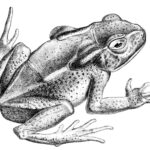
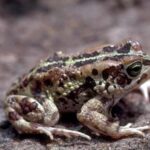
At first glance, Bufo aspinius appears modestly colored; shades varying from subtle olive-brown to muted grays and gentle mossy greens swirl across its warty skin—an exceptional camouflage matching forest floor detritus perfectly. Adult specimens typically range between 5 to 9 centimeters in length, exhibiting stout bodies, visibly glandular wart-like protrusions, and slightly elevated ridges running down their backs.
Natural Camouflage and Protective Adaptations#
Contrary to bright coloration often associated with poisonous amphibians, the muted appearance of Bufo aspinius offers a different—and no less impressive—kind of evolutionary advantage. Its cryptic coloration helps it blend seamlessly into the leaf litter, evading predators like snakes, birds, and small mammals. Moreover, the skin is rich in parotoid glands, secreting mildly toxic compounds to further discourage predation.
A closer examination reveals another fascinating adaptive trait: feet equipped with roughened pads helping them negotiate slippery surfaces in the rainforest undergrowth. This adaptation allows agile movement without compromising stealth, turning Bufo aspinius into an unobtrusive yet highly efficient predator of forest-floor insects and arthropods.
Behavior and Life Cycle: Stories Hidden in Shadows#
Primarily nocturnal, Bufo aspinius emerges as twilight fills the rainforest canopy gaps, generating a symphony of subtle calls that intimately punctuate evenings in their habitat. Their vocalizations, soft and musical rather than loud and booming, resemble gentle trills, coos, and chirps perceptible mostly within short distances—a characteristic that scientists believe evolved to reduce predator detection.
Feeding Habits: Silent Forest Guardians#
With patient stealth, Bufo aspinius ambushes small invertebrates inhabiting leaf litter, including beetles, ants, termites, and spiders. Extending agile and sticky tongues rapidly, they secure prey items with impressive accuracy. This precise predation plays a crucial ecological role, effectively controlling invertebrate populations, thereby ensuring balanced biodiversity along the forest floor.
Breeding Rituals: Courtship Beneath Vegetation#
The rainy season marks an annual symphony of mating rituals and vibrant energy among Bufo aspinius populations. With increased rainfall triggering mass movements toward temporary pools and stream edges, males congregate and vocalize quietly to attract females. Following successful courtship, females deposit long strings of gel-enclosed eggs directly into shallow jungle ponds or slow-moving forest streams, heralding the next chapter of their lifecycle: the delicate tadpole stage. Within weeks, swimming larvae develop rapidly into fully terrestrial juveniles, completing a swift seasonal turnover essential for their survival.
Ecological Role: Unsung Heroes of Biodiversity#
In their rainforest ecosystems, Bufo aspinius serves as both predator and prey, occupying a critical ecological niche. Their diet of forest-floor invertebrates contributes significantly to pest control influencing plant diversity and forest health. Conversely, serving as essential prey items for larger predators, they form a vital nutritional component within a complex food web.
Acting as important bio-indicators, environmental scientists closely monitor this frog population, noting population fluctuations as indicators of broader ecosystem health and stability. Declines in Bufo aspinius populations, therefore, run parallel to degradation signs within the habitats they occupy.
Threats and Conservation Status: Protecting a Rainforest Treasure#
Unfortunately, Bufo aspinius faces continuous threats from pervasive habitat loss, widespread deforestation, pollution, and climate change. While not yet assessed on the IUCN Red List, conservationists express heightened concern over increasing anthropogenic activity within its limited geographical range. Habitat fragmentation can rapidly isolate populations, reducing genetic exchange and intensifying vulnerability.
Active awareness campaigns, protection of critical rainforest habitats, and carefully managed ecotourism initiatives continue forging paths toward ensuring a robust future for Bufo aspinius habitats. Dedicated scientific teams maintain systematic population assessments and habitat monitoring to promptly respond to emerging threats.
Cultural and Scientific Significance: Amphibious Inspiration#
Historically, indigenous cultures living adjacent to Bufo aspinius habitats attribute gentle symbolism to this inconspicuous frog, associating it with subtlety, humility, and renewal—inspirations drawn from their quiet secretive nature and humble appearance.
From a scientific standpoint, ongoing amphibious research involving Bufo aspinius contributes significantly to ecological sciences, herpetology, and conservation biology. Amphibian skin secretions, for example, attract scientific attention due to potential medicinal applications and novel biochemical insights.
Conclusion: Celebrating and Protecting the Enigmatic Bufo aspinius#
Through deepening understanding, appreciation, and conservation efforts directed toward Bufo aspinius and its tropical rainforest realms, humans obtain insights into the delicate interconnectedness anchoring biodiversity. Armed with awareness and advocacy, every nature enthusiast plays a role in supporting conservation, ensuring this subtle rainforest guardian’s survival—not simply as an obscure species hidden beneath jungle shadows, but as a remarkable part of our thriving, diverse natural world.