Jewels of the Forest: Discovering the Harlequin Toad (Atelopus varius)#
Hidden beneath the lush foliage and verdant tapestries of Central America’s dense jungles lives one of nature’s most extraordinary amphibians—the Harlequin Toad, scientifically known as Atelopus varius. Boldly decorated in contrasting colors, ranging from deep jet-black with vivid yellow spots to vibrant patterns of fiery orange, these remarkable amphibians look less like earthbound creatures and more like artistic masterpieces crafted by a painter’s skilled hand.
Yet, despite their striking appearance and unmistakable charisma, Harlequin Toads have become lamentably rare in recent decades, their vibrant existence threatened by environmental challenges. Stories of their decline and subsequent resurgence hold valuable lessons about biodiversity, ecological balance, and the power of dedicated conservation efforts. Let us explore the captivating world of the Harlequin Toad and uncover the importance of safeguarding its place in the ecosystem.
Taxonomy and Classification#
Atelopus varius belongs to the family Bufonidae—known commonly as true toads—but it defies many of the preconceptions one might have about toads. Within this family, it sits comfortably in the colorful genus Atelopus, often collectively referred to as harlequin toads due to their vibrant patterns. Characterized by brilliant coloration and distinct slender bodies, species of the genus Atelopus markedly differ from the stereotype of drab, sluggish amphibians. Instead, they enthrall even casual nature observers with vivid displays that serve critical ecological purposes.
The name “varius,” meaning variable in Latin, precisely reflects the species’ remarkable display of color variations, even within a single population. Close relatives include species such as Atelopus zeteki, the famed Panamanian golden frog, similarly iconic and equally vulnerable. The taxonomical ties among these unique amphibians illustrate the rich evolutionary tapestry woven by Central America’s complex geography and biodiversity.
Natural Habitat#
The Harlequin Toad thrives across humid lowland and premontane rainforests along the Pacific slopes of Costa Rica and Panama. Picture a landscape where towering trees span endlessly toward a mist-covered canopy, their roots tangled in lush undergrowth, and water courses weave their way downward like veins in the body of the earth. It is within this vibrant realm, alive with the gentle hum of insects and the serenade of birdsong, that the Harlequin Toad has made its specialized home.
More precisely, the species’ preferred microhabitats lie close to freshwater streams and rivers, bordered by dense, moisture-loving vegetation. Here, among thick leaves glistening with moisture, rocks slick with algae, and fallen logs gently decaying on the forest floor, these tiny amphibians move carefully yet purposefully. The consistent proximity to water is of prime importance, serving not only as a place to hydrate and regulate their delicate, permeable skin but also vital for successful reproduction and development of their offspring.
Sadly, the very specificity of these habitats makes them highly vulnerable. Human intrusion, habitat fragmentation from agriculture and industry, and climate change drastically threaten this finely balanced ecosystem, placing the Harlequin Toad into a precarious dilemma.
Physical Characteristics#
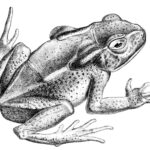
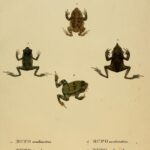
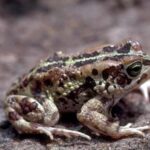
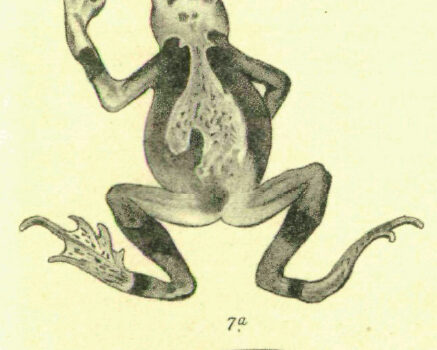
The Harlequin Toad is nothing short of mesmerizing. Measuring typically between 2 to 4 centimeters (approximately 0.8 to 1.6 inches) from snout to vent, Atelopus varius stands out not due to size but the glittering array of colors adorning its nimble body. Patterns range dramatically; some individuals display a mosaic of bright lemon-yellow spots upon a midnight-black canvas, while others shimmer with orange-red markings against greyish-green backgrounds. This natural variance not only inspired its scientific naming but also affords the toad exceptional camouflage amidst dappled sunlight and shadow in its rainforest domain.
Despite their dazzling beauty, these colors serve a poignant ecological purpose—a visual warning of toxicity, aimed specifically at would-be predators. The skin of Atelopus varius, like many vibrant frogs and toads found in tropical forests, secretes alkaloid toxins capable of deterring threats. These vividly crafted warnings allow even small juveniles with delicate limbs and fragile bodies to survive predation in such a competitor-rich environment.
Behavior and Life Cycle#
Dietary Habits and Hunting Methods#
The Harlequin Toad relies primarily on small insects and arthropods as its main source of nourishment. Utilizing their acute eyesight and rapid reflexes, these agile amphibians actively forage within leaf litter or patiently await unsuspecting prey to approach within striking distance. Their tongues—sticky, fast, lightning-quick appendages—flash swiftly and accurately, grabbing their targeted meals and swiftly returning to their mouths in less than the blink of an eye.
Courtship, Breeding, and Development#
Rainy seasons trigger remarkable transformations in the behavior of Harlequin Toads. Historically, males would gather alongside swiftly-flowing forest streams, creating choruses of soft, unobtrusive yet persistent calls intended to entice potential mates. These quiet serenades are not the loud nighttime calls so famously associated with other species; instead, Harlequin Toads opt for gentle vocalizations, rich with subtlety, designed for intimate encounters in their water-lined paradises.
Once paired, females lay hundreds of eggs carefully attached to underwater rocks or submerged leaf matter, allowing swift currents to oxygenate and incubate their eggs. Tadpoles, upon emergence, are streamlined and specialized for life amidst these dynamic aquatic environments, with mouth structures adapted neatly to cling to smooth, slippery rocks. They consume algae and detritus, slowly growing and developing into miniature versions of their striking adult forms.
Ecological Role#
Harlequin Toads occupy pivotal niches within their tropical ecosystems. As consumers of insects and arthropods, they control populations of numerous pest insects, indirectly benefiting plant growth and forest health. Concurrently, they become prey themselves—albeit selectively, in consideration of their toxins—for various predators, such as snakes non-sensitive to their chemicals or birds particularly adept at avoiding the worst effects of their defensive mechanisms.
Yet probably their most significant ecological role lies in their function as indicator species, or ecological sentinels. Amphibians like the Harlequin Toad possess permeable skin incredibly sensitive to environmental quality; unhealthy populations often reflect problems with water pollution, climate, pesticides, or other serious environmental stresses. Consequently, monitoring the health and abundance of Harlequin Toad populations can help illuminate broader issues of ecological integrity on local, regional, and national levels.
Threats and Conservation Status#
The vibrant colors of Atelopus varius contrast dramatically against the grim backdrop of declining amphibian populations across the globe. Listed as “Critically Endangered” on the International Union for Conservation of Nature (IUCN) Red List, the Harlequin Toad has suffered extensively from broad challenges such as habitat destruction from agriculture, logging, urban development, and pollution.
Yet perhaps even more devastating to these sensitive creatures has been the outbreak of chytridiomycosis—a fungal disease caused by Batrachochytrium dendrobatidis, or “chytrid fungus.” This pathogen affects the amphibian skin, impairing their ability to absorb moisture and vital minerals, leading to drastic population declines. Coupled with global climate change which exacerbates outbreaks of diseases and alters precipitation and temperature patterns, chytrid has proven catastrophic for Harlequin Toads in recent decades.
Despite such challenges, dedicated conservationists have enacted decisive measures to protect and restore these amphibian treasures. Captive breeding programs, habitat preservation initiatives, anti-chytrid treatments, and educational programs all combine to slowly but surely foster the species’ stabilization and hopeful recovery in the wild.
Cultural and Scientific Significance#
The Harlequin Toad has long held significant cultural value in indigenous mythology, symbolizing fertility, renewal, and the power inherent within the natural world. Beyond cultural reverence, the unique toxin profiles of their skin garner enthusiastic scientific interest, informing medical research in neurological, cardiac, and antimicrobial treatments, potentially unlocking novel biomedical discoveries valuable to humankind.
Conclusion#
The story of the Harlequin Toad is a compelling narrative of nature’s intricate beauty intertwined with a potent reminder of environmental fragility. Their existence teaches us profound lessons about ecological interconnectedness and the unique vulnerability of life on Earth. We invite you to support the continued survival of this extraordinary amphibian by advocating for responsible environmental policies, engaging actively with conservation initiatives, and ultimately appreciating the profound beauty found within species like the remarkable and irreplaceable Harlequin Toad, Atelopus varius.