- Atelopus tamaense: The Enigmatic Jewel of Colombia's Cloud Forests
- Taxonomy and Classification: A Unique Amphibian Lineage
- Natural Habitat: Life Among Clouds and Mist
- Physical Characteristics: A Jewel in Vivid Detail
- Behavior and Life Cycle: Secrets Along Shaded Streams
- Ecological Role: Guardians of the Mountain Stream Biospheres
- Threats and Conservation Status: At the Brink of Survival
- Cultural and Scientific Significance: Echoes Beyond the Ecosystem
- Conclusion: Cherishing the Jewel of Tamá
Atelopus tamaense: The Enigmatic Jewel of Colombia’s Cloud Forests#
Beneath the velvety foliage of Colombia’s Andean cloud forests hides a treasure so elusive and enchanting that even the most seasoned naturalists pause in awe. The Atelopus tamaense, commonly known as the Tamá Harlequin Frog, is not merely a colorful amphibian but a symbol of profound ecological significance and conservation urgency. With a striking palette of colors resembling brush strokes of yellow, orange, and black, this tiny creature holds immense scientific curiosity and cultural charm. Yet, even more compelling than its vibrant hues is its story—a narrative of fragility and resilience in the rapidly changing landscape of South America’s mountainous ecosystems.
Taxonomy and Classification: A Unique Amphibian Lineage#
The Tamá Harlequin Frog belongs to the diverse and fascinating family Bufonidae, known commonly as true toads. However, extensive evolutionary processes have sculpted the genus Atelopus into a distinctive branch, strikingly distinct from typical toads. Within the genus Atelopus, scientists have identified over ninety species, each possessing unparalleled adaptations and survival strategies rooted in their mountainous habitats.
The scientific nomenclature “Atelopus tamaense” pays homage to the species’ restricted distribution within the rich but fragile ecosystem of the Tamá Massif region, a rugged natural corridor cradling the border between Colombia and Venezuela. Taxonomically precise yet poetically resonant, this scientific naming preserves the delicate bond between the species and its geographic home.
Natural Habitat: Life Among Clouds and Mist#
Nestled high within steep Andean slopes, the Tamá Harlequin Frog thrives in altitudes ranging from 2,000 to 2,500 meters above sea level, an elevation enveloped in clouds and mist. This region’s perpetual veil of fog provides ample humidity and cooler temperatures essential for these amphibians’ sensitive skin. The lush montane forests here, defined by dense vegetation, moss-covered trees, ferns, and clear, rushing mountain streams, offer the perfect microhabitats for the subtle ecological demands of the Atelopus tamaense.
Here, on mossy stones beside flowing rivulets or concealed beneath decomposing leaves and fallen branches, the harlequin frog finds shelter from predators and nourishment in abundant insect prey. Epiphytes and bromeliads clinging to aging trees create rich, damp niches for their tadpoles to flourish. Artistry meets nature as sunlit patches filter through leafy canopies, accentuating their vivid hues—camouflage cleverly disguised as flamboyance.
Physical Characteristics: A Jewel in Vivid Detail#
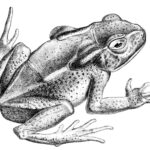
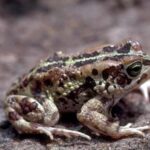
Atelopus tamaense’s striking beauty belies its diminutive stature, typically measuring no more than 4 centimeters in length. Each frog displays an individual pattern, a kaleidoscopic convergence of bold yellows intertwined with intense blacks and oranges—such brilliant pigmentation serving as an audacious visual warning. This mesmerizing appearance vividly conveys toxicity to potential predators, a classic example of aposematic coloration in amphibians.
The frog’s sleek, smooth skin is permeable, providing an essential role not only in respiration but in absorbing moisture and detecting environmental changes. Their prominent, forward-facing eyes gleam with a watchfulness adapted for detecting prey and dangers alike, while agile limbs, equipped with small yet efficient suction-like pads, skillfully maneuver across slippery rocks and damp foliage in its humid domain.
Behavior and Life Cycle: Secrets Along Shaded Streams#
Feeding Habits#
The Tamá Harlequin Frog is primarily insectivorous, employing stealth and patience to capture various prey including ants, beetles, flies, and small spiders that roam its ecological niche. Employing precise leaps and quick flicks of its adhesive tongue, it expertly negotiates the crevices and undergrowth in search of nutrition.
Mating and Reproduction#
When rainy seasons transform mountain streams into rhythmic cascades, Atelopus tamaense embarks upon its reproductive ritual. Males gather along stream banks in enthusiastic choruses, their unique calls pulsating like delicate trills resonating softly through the mist-shrouded landscape. Females drawn to the serenade select mating partners based on vocal strength and persistence—crucial indicators of genetic fitness.
After courtship, pairs engage in amplexus, with females depositing strings of gelatinous eggs anchored protectively beneath submerged rocks or within sheltered streamside vegetation. Tadpoles hatch into turbulent currents, embarking on complex developmental transformations within aquatic realms until fully metamorphosed juveniles emerge, prepared to embrace terrestrial environments and contribute to their species’ future.
Defensive Behaviors#
Exhibiting remarkable adaptations against predation, Atelopus tamaense relies heavily upon chemical defenses. Glands located beneath its dazzling skin exude trace yet potent toxins that deter predators such as snakes, birds, and small mammals. This bioactive defense, signaled openly by their cheerful but cautionary coloration, epitomizes fascinating evolutionary complexities within the amphibian world.
Ecological Role: Guardians of the Mountain Stream Biospheres#
As both predators and prey, the harlequin frogs embody critical functional roles within their ecosystems. They help regulate insect populations, providing balance and stability in their delicate food webs. Similarly, their presence facilitates a healthy nutritional link for predators, maintaining ecological harmony and energy transfer across trophic levels.
Beyond these roles, Atelopus tamaense serves as invaluable indicator species, signalling environmental health through their acute sensitivities to pollution, climate change, or ecosystem alteration. Consequently, their decline often previews significant, otherwise hidden impacts on entire biological communities and habitats, compelling further protective measures and habitat preservation.
Threats and Conservation Status: At the Brink of Survival#
Primary Threats#
Despite their adaptability, Atelopus tamaense is critically vulnerable; widespread threats steadily erode essential habitats or directly endanger their fragile populations. Among these threats, habitat loss due to agriculture, cattle ranching expansion, and infrastructure developments pose profound challenges. Additionally, water pollution from pesticides and fertilizers threaten delicate freshwater resources vital for breeding.
The devastating global amphibian disease, chytridiomycosis, caused by the fungus Batrachochytrium dendrobatidis, has impacted harlequin frog populations significantly. Rising temperatures and shifting rainfall patterns from climate change amplify such threats, altering egg incubation rates and affecting larval development cycles substantially.
Conservation Efforts#
Currently classified as Critically Endangered by the International Union for Conservation of Nature (IUCN), focused efforts are being implemented to prevent further loss. Initiatives including captive breeding programs intend to safeguard genetic variability and facilitate future reintroductions. Collaboration between governmental authorities, environmental organizations, researchers, and local communities strives to restore degraded habitats, minimize pesticide use, monitor amphibian health, and establish ecological corridors to ensure movement and genetic exchange among isolated populations.
Cultural and Scientific Significance: Echoes Beyond the Ecosystem#
The Tamá Harlequin Frog transcends ecological importance, holding symbolic significance among indigenous communities who inhabit Andean slopes. To certain indigenous groups, frogs embody spiritual guardians, environmental omens, or symbols of ecological fertility, their decline viewed gravely as a warning against environmental neglect. Such cultural perspectives deepen appreciation and stewardship of natural resources, fostering local partnerships vital for conservation.
Scientifically, studying Atelopus tamaense has proven instrumental in understanding amphibian declines worldwide—particularly the infectious diseases devastating global amphibians. Insights garnered from their survival strategies, physiology, and immunity responses offer crucial avenues to enhance amphibian biology knowledge and contribute innovative conservation methodologies.
Conclusion: Cherishing the Jewel of Tamá#
Atelopus tamaense exemplifies nature’s duality—beauty intertwined awkwardly and compellingly with vulnerability. The Tamá Harlequin Frog demands appreciation as an ecological jewel, a sentinel species, and a symbol deeply woven into Colombia’s natural heritage. If we are conscientious stewards, dedicated to preserving biological treasures, we must actively confront conservation threats and support ongoing protective programs.
Ultimately, protecting Atelopus tamaense means safeguarding entire ecosystems, cultural values, and unraveling critical evolutionary mysteries. From their enchanting calls amidst mist-shrouded streams to their vibrant appearance in disappearing habitats, these extraordinary frogs whisper poignantly of an interconnected planet demanding our attention, action, and empathy.
Together, let us cherish, study, and advocate for the enigmatic Tamá Harlequin Frog—protecting not merely one captivating species but the entire vibrant tapestry of life it represents.