- Introduction: A Jewel Hidden in the Andes
- Taxonomy and Classification: Understanding the Harlequin Lineage
- Natural Habitat: Misty Forests and Flowing Streams
- Physical Characteristics: Beauty as Defense
- Behavior and Life Cycle: A Dance of Survival
- Ecological Role: Guardian of the Streamside Habitat
- Threats and Conservation Status: A Battle Against Extinction
- Cultural and Scientific Significance: Connections Beyond Ecology
- Conclusion: Saving Colombia’s Emerald Guardian
Introduction: A Jewel Hidden in the Andes#
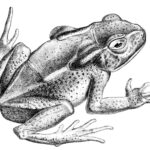
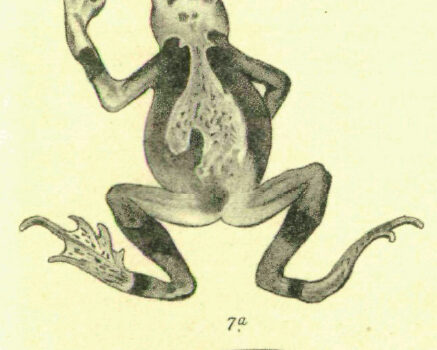
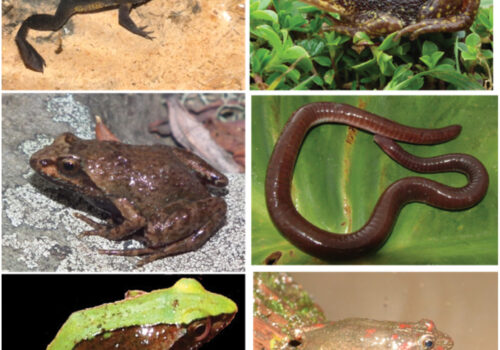
Deep within the lush, mist-drenched forests of the Colombian Andes thrives a captivating amphibian species known as Atelopus subornatus, commonly referred to as the Colombian Harlequin Toad. Thought by many to be a silent sentinel of ecosystem health, this exquisite creature clad in emerald greens, vivid yellows, and scattered patterns, symbolizes the fragility yet resilience of tropical mountain habitats. More than a mere resident of these lush mountain forests, Atelopus subornatus embodies a tale of beauty, survival, and hope amidst a mounting conservation crisis.
Yet perhaps the most fascinating fact lies in the delicate blend of toxicity and vulnerability embodied by this frog; despite its vivid aposematic coloration warning predators of its potent skin toxins, its population numbers dwindle alarmingly. How could an organism so well-defended face such peril? Join us on a journey into the hidden world of the emerald harlequin, exploring its secretive habits, physical splendor, and the urgent plight to secure its continued existence.
Taxonomy and Classification: Understanding the Harlequin Lineage#
Atelopus subornatus belongs to the family Bufonidae, encompassing true toads and harlequin frogs. Within the Bufonidae family, the genus Atelopus has garnered attention for its remarkable diversity and pronounced susceptibility to environmental disturbances. First described scientifically by Werner in 1899, its genus comprises over 90 species recognized for their striking colors, potent skin toxins, and specialized ecological niches.
The genus name Atelopus derives from Greek origins, translating approximately to “incomplete foot,” referencing certain anatomical features of these delicate-looking frogs. Closely related species sharing the genus, including the notably endangered Golden Harlequin Frog (Atelopus zeteki) of Panama, underscore the vulnerability and urgency to conserve these precious amphibians throughout Central and South America.
Natural Habitat: Misty Forests and Flowing Streams#
Geographic Range and Preferred Habitat#
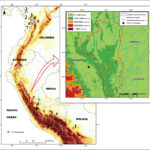
The geographic heartland of Atelopus subornatus lies nestled within Colombia, where it occupies elevations from approximately 1,800 to 3,000 meters above sea level. Primarily found on the eastern slopes of the Andes, this vibrant frog thrives in an environment shrouded in mist, characterized by cool temperatures and dense, humid cloud forests frequently intersected by fast-flowing mountain streams.
Richly endowed with moss-covered stones, fern-laden trails, and leaf-covered forest floors, this habitat offers ample opportunities for concealment and moisture retention—two vital conditions for amphibians sensitive to desiccation. Frequent rainfall and persistent cloud cover ensure the availability of high humidity levels critical for the frog’s survival.
Habitat Interactions#
This high-altitude habitat shapes every aspect of the harlequin frog’s ecology. The crystal-clear mountain streams are crucial breeding grounds, while dense vegetation creates ideal shelters, offering safety from predation and effective camouflage opportunities. It is here, amidst rushing streams and moist microhabitats, that the emerald jewel lives its entire lifecycle, never far from the flowing waters that nourish its existence.
The presence or absence of Atelopus subornatus often serves as a poignant bioindicator of ecological integrity—healthy populations imply pristine water quality and intact ecosystems, while declining numbers signal broader environmental distress.
Physical Characteristics: Beauty as Defense#
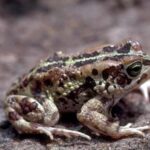
Exhibiting a remarkably distinctive appearance, the Colombian Harlequin Toad captures the imagination with its emerald-green hues interwoven with bright yellows, scattered blacks, and browns. Its paint-like patterns vary considerably among individuals, yet their vivid coloration unfailingly signals one clear message: danger to potential predators.
Relatively diminutive, adult individuals measure between 3 and 5 centimeters. Their compact size complements an active, agile lifestyle, enabling adept leaps and quick escapes through dense vegetation. Moreover, specialized dermal glands along the frog’s back secrete potent toxins known as bufotoxins, rendering it distasteful or even lethally toxic to would-be predators, including birds, snakes, and mammals.
While dramatically displaying yellow and green contrast patterns that catch the human eye, against natural backgrounds of moss, leaves, and forest floor detritus, Atelopus subornatus achieves a surprising level of camouflage. It’s a remarkable dual-strategy of conspicuousness and disguise, painting an intricate evolutionary story of survival in harsh mountain terrains.
Behavior and Life Cycle: A Dance of Survival#
Feeding Styles and Hunting Techniques#
This small amphibian is insectivorous, preying mainly upon ants, beetles, flies, and other small arthropods abundant within its humid mountain home. Possessing extraordinary visual acuity adapted to spotting swift movements, these frogs patiently sit-and-wait predators, relying on quick tongues and pinpoint accuracy to capture unsuspecting prey.
Breeding Habits and Lifecycle#
Rainfall triggers courting and breeding seasons, wherein males adopt strategic positions along stream banks, vocalizing rhythmic, melodious calls to attract receptive females from within dense vegetation. Females deposit strings of gelatinous eggs beneath mossy stones within rapidly flowing yet sheltered sections of streams, ensuring adequate oxygenation and protection from predators.
The subsequent tadpoles are specially adapted to swift-flowing water, equipped with strong tail musculature and specialized mouthparts suited to grazing algae and biofilm from submerged rocks. Gradually transforming through an intricate metamorphosis lasting several weeks, emerging froglets begin their terrestrial existence near waterways, quickly acquiring their signature vibrant skin patterns and toxic defenses.
Ecological Role: Guardian of the Streamside Habitat#
Beyond its inherent beauty, Atelopus subornatus fulfills critical ecosystem roles, exerting regulatory impacts on insect populations and providing nourishment to higher trophic-level species, despite its formidable toxins. Its roles as prey and predator integrate into complex ecological networks, emphasizing their importance within delicate tropical ecosystems.
Moreover, scientists deem this species a powerful bioindicator; they monitor populations to gauge environmental conditions such as water quality, pollution levels, and climate fluctuations affecting mountainous regions.
Threats and Conservation Status: A Battle Against Extinction#
Understanding the Menace#
Unfortunately, like many amphibians globally, Atelopus subornatus faces extreme threats from habitat loss, climate change, agricultural encroachment, and emerging infectious diseases. The invasive fungal pathogen, Batrachochytrium dendrobatidis (Bd), causing the devastating chytridiomycosis disease, poses one of the most potent threats to this high-altitude amphibian.
Current Conservation Efforts#
This alarming situation has motivated passionate conservation initiatives, including habitat restoration, extensive research, disease monitoring campaigns, and captive-breeding programs organized by Colombian conservationists and international collaborators. Classified by the IUCN Red List as “Critically Endangered,” Atelopus subornatus urgently requires sustained attention, community engagement, and governmental investment in its protective measures.
Cultural and Scientific Significance: Connections Beyond Ecology#
Although the Colombian Harlequin Toad remains little-known beyond scientific and conservationist communities, indigenous Andean peoples deeply respected amphibians, symbolizing regeneration and ecological balance. From a scientific perspective, investigating their potent skin toxins offers promising leads for medical and biochemical research, highlighting hidden potential beneath their fragile frames.
Conclusion: Saving Colombia’s Emerald Guardian#
Through learning and sharing the captivating yet urgent story of Atelopus subornatus, we illuminate broader conversations about conservation, mountain biodiversity, and environmental stewardship. Each emerald-patterned individual we safeguard represents an affirmation of our collective responsibility towards nature’s delicate tapestry. Engaging in the preservation of this extraordinary species offers not only biological rewards but also a deeper appreciation for our planet’s remarkable and intricate biodiversity. Let us embrace this challenge, acting together to ensure the Colombian Andes forever echo with the song of living frogs, vibrant observers of a thriving ecosystem.