- The Harlequin Jewel of the Forest: Understanding <em>Atelopus spurrelli</em>
The Harlequin Jewel of the Forest: Understanding Atelopus spurrelli#
In the lush green labyrinths of western Colombia’s humid cloud forests, amidst carpets of emerald moss and gentle trickling streams, resides an amphibian whose vibrant coloration rivals even the most exotic birds and flowers—a small, vivid jewel known as Atelopus spurrelli. Often referred to as Spurrell’s harlequin frog, this delicate and rare species is emblematic of biodiversity and vulnerability, painting a compelling picture of nature’s splendor as well as the pressing threats faced by tropical habitats.
Atelopus spurrelli belongs to a group known for vibrant colors and slender bodies, captivating researchers and wildlife enthusiasts alike. This visually striking amphibian has become synonymous with conservation efforts and remains a fascinating symbol of resilience and fragility entwined.
Taxonomy and Classification#
Discovered and formally described by George Albert Boulenger in 1914, Atelopus spurrelli belongs to a revered yet critically imperiled group of amphibians within the family Bufonidae. Despite their common name “harlequin frogs,” their taxonomy places them among toads. Specifically, they belong to the genus Atelopus, a charismatic lineage famous for bold patterns and vibrant warning colors.
Within this diverse genus, closely related species share similar habitats and appearances, each a living testament to evolutionary adaptation and biogeographic history. Atelopus spurrelli itself, named in honor of English naturalist Herbert George Flaxman Spurrell, represents just one unique branch on the broader evolutionary tree, yet profoundly illustrates global biodiversity challenges of our times.
Natural Habitat#
A Realm Enshrouded in Cloud and Mist#
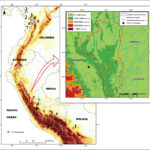
Atelopus spurrelli inhabits the subtropical and tropical moist rainforests of western Colombia, particularly within the department of Chocó. This region, known for its unparalleled rainfall, humidity, and biodiversity, provides the lush and moisture-laden environment essential for survival. The frog’s very existence depends upon foothill streams, dripping vegetation, and dense, shaded canopies.
Imagine stepping into this verdant ecosystem—beads of moisture condensing on leaves, perpetual twilight beneath thick branches of towering trees cloaked in moss and epiphytes. Cascades of clear, cool water burble gently beneath and around gnarled tree roots and leaf litter, creating microhabitats rich in insect life upon which Atelopus spurrelli thrives.
Micro-habitat Specialization#
The species is highly adapted to specific micro-environmental conditions. Preferring rocky streambanks, moss-covered stones, and leaf litter near permanent water bodies, these amphibians actively seek habitats where humidity stays remarkably high year-round. Seasonally ephemeral streams or drier uplands simply cannot sustain the delicate water balance their porous skins demand.
Physical Characteristics#
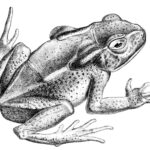
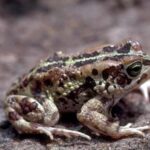
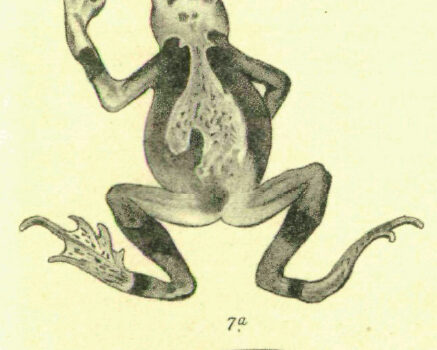
Perhaps the most arresting feature of Atelopus spurrelli is its brilliant patterning. Adults possess a mesmerizing blend of vibrant yellows, deep ebony markings, and occasionally shades of green. This kaleidoscope of factors isn’t merely ornamental, however; these vivid colors serve an important ecological function, boldly warning predators of the frog’s potent skin toxins.
Typically, Spurrell’s harlequin frogs measure between 2 to 4 centimeters long, their slender yet robust limbs perfectly molded for nimble navigation across slippery rocks and wet foliage. They display elongated limbs, ideal for hopping gracefully along steep watercourses or swiftly maneuvering around mossy obstacles.
Their skin, seemingly smooth at first glance, carries toxins sufficient to deter most predators—a sophisticated evolutionary strategy crucial for survival in a biodiverse rainforest teeming with hungry reptiles, birds, and mammals eager for an easy amphibian meal. This feature embodies the delicate balance of defensive adaptations developed through generations of selective pressures.
Behavior and Life Cycle#
An Appetite for Insects#
Like many amphibians, Atelopus spurrelli is primarily insectivorous, hunting small arthropods that thrive near streams and damp leaf litter. Small beetles, ants, flies, and mites make up a significant part of their diet, tracking and hunting through precise and deliberate movements. Their keen vision allows them to target even minute insect prey, showcasing remarkable precision in capturing each morsel with a swift flick of the tongue.
Breeding Behavior: An Aquatic Ballet#
Breeding season paints a lively scene in forest streams as male Spurrell’s harlequin frogs stake out prime territory, displaying competitive yet elegant behaviors. Males emit subtle but distinct vocalizations—a delicate symphony of soft chirps and clicks designed to attract females and warn off rival suitors.
The eggs, carefully deposited by female frogs amidst submerged vegetation or beneath rocks in streams, hatch into tadpoles uniquely adapted to rapid-flowing waters. These tadpoles cling tenaciously to underwater substrates, slowly transforming into miniature adults over weeks or months, gradually assuming adult colorations and skin toxins. Vitally connected to clean water, their first weeks of life underline the fragility of their existence in increasingly threatened habitats.
Ecological Role: Guardians of the Forest Streams#
Atelopus spurrelli holds a crucial role within its ecosystem. Serving as both predator and prey, these amphibians exert significant control over insect populations, contributing to balanced ecosystems. Their presence also provides sustenance to larger predators; snakes, birds, and certain mammals rely upon amphibian prey, whose disappearance causes ripple effects throughout the food web.
Perhaps most significantly, the overall health and abundance of Atelopus spurrelli serves as an early warning indicator, signaling environmental stressors—such as pollution, invasive pathogens, or climate change—long before these disturbances manifest elsewhere in noticeable ways. Amphibians, sensitive to subtle shifts in moisture, temperature, and toxin levels, echo the health of their surrounding ecosystems more powerfully than most other animals.
Threats and Conservation Status#
Sadly, despite their ecological significance and striking beauty, Spurrell’s harlequin frogs face severe challenges to their survival. Once broadly distributed through Colombian rainforests, their populations have dramatically declined, resulting in a critical conservation status. As of recent assessments, Atelopus spurrelli is listed on the IUCN Red List as critically endangered due chiefly to habitat destruction, pollution, and the devastating spread of infectious amphibian diseases like the chytrid fungus (Batrachochytrium dendrobatidis).
Habitat loss, driven by rampant deforestation for agriculture, logging, illegal coca cultivation, and wider infrastructure expansion, has fragmented and diminished suitable breeding grounds. Meanwhile, climate change intensifies drying conditions and shifts rainfall patterns, further eroding sensitive microhabitats that sustain the species.
Thankfully, conservation initiatives are underway, ranging from habitat preservation to captive breeding programs initiated by local and global partners committed to combat amphibian extinctions. Community-anchored stewardship models strive to halt deforestation by engaging local populations in sustainable practices.
Cultural and Scientific Significance#
Beyond ecology, Atelopus spurrelli holds cultural importance as a symbol of Colombia’s rich biodiversity. Indigenous communities have long recognized amphibians as integral to spiritual cosmologies, viewed as guardians of water and visible indicators of forest health.
Scientifically, Spurrell’s harlequin frogs contribute to a broader understanding of amphibian toxin chemistry, skin microbiomes, and disease resistance. Insights gained from their toxins and microbial communities could have far-reaching applications, from new medicines to climate adaptation strategies.
Conclusion: Safeguarding Nature’s Harlequin Jewel#
Every vivid marking, every vibrant chirp, every hidden tadpole reminds us of Atelopus spurrelli’s delicate existence and irreplaceable value. Its colorful skin embodies both the extraordinary fecundity of tropical forests and their profound vulnerability to human impacts.
To safeguard this harlequin jewel means protecting entire habitats, preserved not in isolation but woven sustainably within human communities. Saving this frog from extinction echoes broadly: conserving one remarkable frog is a powerful act of stewardship for all wild places and the myriad species calling them home. Through collective conservation actions and renewed dedication, hope remains—one day, perhaps, future generations may still gently turn leaves or step beside a crystal-clear stream and rediscover Spurrell’s exquisite harlequin frogs thriving once again.