- Atelopus sonsonensis: The Fascinating and Endangered Sonsón Harlequin Frog
- Taxonomy and Classification of Atelopus sonsonensis
- Natural Habitat: A Sanctuary in Colombia's Cloud Forests
- Physical Characteristics: An Amphibian Jewel
- Behavior and Life Cycle: Secrets of Survival
- Ecological Role: Indicators of Environmental Health
- Threats and Conservation Status: An Amphibian in Crisis
- Cultural and Scientific Significance: Beyond Mere Survival
- Conclusion: Guardians of the Cloud Forest
Atelopus sonsonensis: The Fascinating and Endangered Sonsón Harlequin Frog#
Beneath the mist-shrouded canopy of Colombia’s cloud forests, among shimmering streams and velveteen mosses, lives a tiny and vibrant frog, an ambassador of delicate wilderness and a testament to biodiversity’s boundless wonders. Atelopus sonsonensis, commonly known as the Sonsón Harlequin Frog, is far more than just another amphibian—this small, vividly patterned creature symbolizes a fragile ecosystem under siege. Endemic to a narrow region in Colombia’s Antioquia department, this species hangs delicately in balance between survival and extinction, embodying both nature’s resilient beauty and its inherent vulnerability.
From its ornate beauty to its fascinating behaviors, this frog captures both the imagination and concern of herpetologists, conservationists, and nature enthusiasts alike. In this journey through the lush habitat, captivating biology, and conservation plight of Atelopus sonsonensis, we’ll delve deeply into the remarkable life of an amphibian too mesmerizing—and too critical—to ignore.
Taxonomy and Classification of Atelopus sonsonensis#
Understanding Atelopus sonsonensis begins with positioning the species within the broader tapestry of amphibian diversity. Scientifically classified in the family Bufonidae—which broadly includes the “true toads”—Atelopus species, despite their common name of “harlequin frogs,” are not typical frogs, but rather specialized toads known for their vivid coloration and fascinating behaviors.
The genus Atelopus is remarkable for its species richness and variety. Sadly, it is also renowned for facing severe threats worldwide. At present, Atelopus sonsonensis is among the most critically endangered members of this genus. It holds a special place as a relatively recently discovered species, having only been formally described by Vélez-Rodríguez and Ruiz-Carranza in 1997, representing a jewel-like addition to Colombia’s biodiversity.
Natural Habitat: A Sanctuary in Colombia’s Cloud Forests#
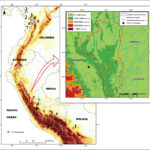
The Atelopus sonsonensis is endemic exclusively to Colombia, specifically throughout isolated habitats in the region of Sonsón, Antioquia. Imagine strolling through these cloud-draped forests, shrouded year-round in mist and moisture, where tangled orchids hang like intricate tapestries, softened by droplets that sparkle in the sunlight. Here, amid lush bromeliads and the delicate rhythm of freshwater streams, the Sonsón Harlequin Frog finds ideal living conditions.
This amphibian favors humid montane forests, predominantly at elevations ranging from around 1,800 to 2,600 meters above sea level. In these high-altitude areas, it requires pristine environments: clear, cool streams where it breeds and densely vegetated areas for sheltering. Richly vegetated riverbanks and mossy stones provide refuge, enabling these frogs to regulate their moisture and temperature, critical survival factors in cooler high-altitude climates.
Physical Characteristics: An Amphibian Jewel#
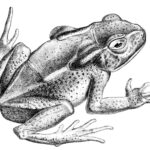
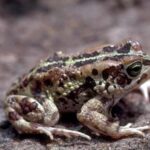
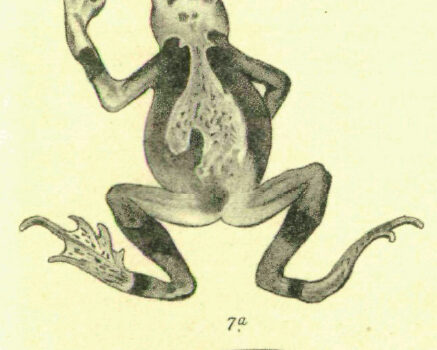
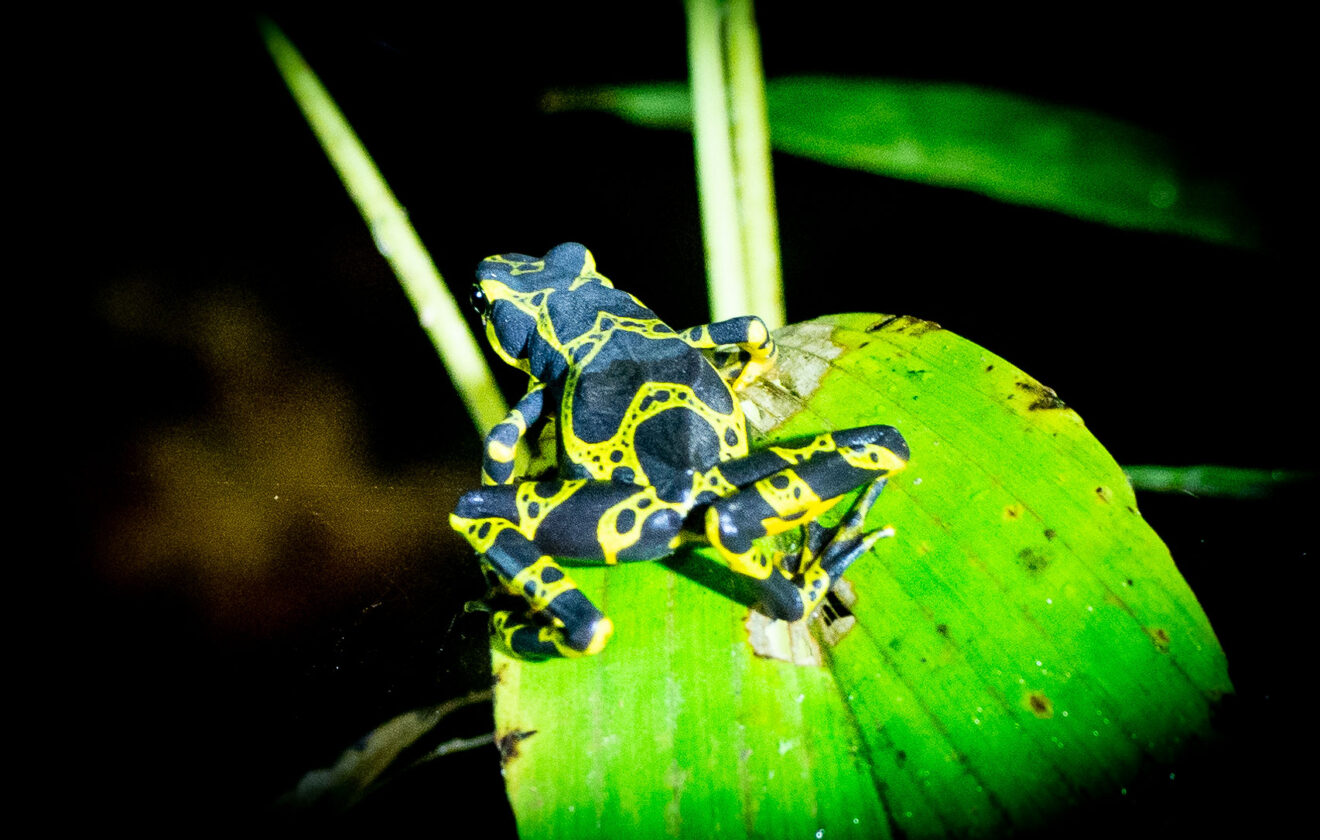
No description of Atelopus sonsonensis can properly convey its stunning beauty without delving into its striking coloration. Adult individuals typically measure a mere 2 to 4 centimeters in length, making them subtly delicate creatures. Despite their diminutive stature, their vibrant hues command attention. Their bright, contrasting color pattern—often a startling mixture of yellows, blacks, browns, and greens—functions both as a vivid warning and a clever camouflage among the forest foliage.
This striking coloration serves as a clear indicator of the frog’s toxicity, signaling predators to stay clear. Their bright skin contains alkaloids, chemical compounds that protect them from would-be predators; predators quickly associate these bold colors with unpleasant, potentially lethal consequences.
Apart from their colors, they possess graceful, slender, and delicate limbs perfectly adapted for life among rocks and flowing waters, with webbed digits aiding in maneuvering swiftly through stream currents.
Behavior and Life Cycle: Secrets of Survival#
Feeding and Foraging Habits#
Atelopus sonsonensis, like other harlequin frogs, spends much of its day actively foraging for small invertebrates. Ants, beetles, mites, and tiny arthropods provide nutritious sustenance, offering a balanced diet carefully provided by their lush environment. They capture prey using rapid, precise lunges of their tongue—a fascinating spectacle of amphibian hunting skills, demonstrating their keen eyesight and impressive agility.
Reproduction and Breeding Behaviors#
The lifecycle of Atelopus sonsonensis begins spectacularly amid clear, tranquil streams. Mating typically occurs during rainy seasons, as humidity and rainfall form critical environmental cues. Males congregate along the stream banks, emitting melodious, high-pitched calls to attract females. Once partnered, females produce strings of gelatinous eggs attached to submerged rocks or vegetation, their placement carefully chosen to provide optimal oxygenation and stability.
The developing tadpoles remain in their aquatic nurseries until eventually transforming into miniature replicas of their parents. These juveniles slowly begin exploring terrestrial habitats adjacent to their birth streams. Such a life cycle deeply connects this species to water quality and environmental integrity, highlighting their vulnerability to habitat disturbance and pollution.
Ecological Role: Indicators of Environmental Health#
Harlequin frogs, including the Atelopus sonsonensis, serve an indispensable ecological role as indicators of environmental health. Their skin’s delicate permeability makes them among the most sensitive organisms within their ecosystem, quickly reflecting changes in climate, pollutants, or diseases. The presence—or absence—of this species serves as an alarm bell, alerting researchers to ecological changes before they become irreversible.
Additionally, as predators of small invertebrates, these frogs help regulate insect populations, contributing to ecosystem balance. Conversely, their presence provides much-needed prey for larger predators like birds and small mammals, thus forming a vital thread within the broader web of forest life.
Threats and Conservation Status: An Amphibian in Crisis#
Sadly, Atelopus sonsonensis is experiencing a steep decline, primarily due to habitat fragmentation, climate change, and emerging infectious diseases. The rapid devastation caused by chytrid fungus—Batrachochytrium dendrobatidis (Bd)—is particularly alarming, decimating amphibian populations worldwide, with Atelopus being notably susceptible.
The International Union for Conservation of Nature (IUCN) currently classifies Atelopus sonsonensis as “Critically Endangered,” a haunting status underscoring how close it is to extinction. Habitat degradation and loss via agriculture and deforestation further exacerbate the precarious situation faced by these frogs.
Yet, there is hope. Dedicated conservation scientists and local communities have begun initiatives to protect their limited habitats. Captive breeding programs, disease monitoring, and efforts to preserve and restore critical forest habitats provide lifelines to this threatened species. Public education programs focused on the region’s biodiversity also aim to foster appreciation and stewardship among local communities.
Cultural and Scientific Significance: Beyond Mere Survival#
Atelopus sonsonensis holds noteworthy cultural and scientific value. Many indigenous cultures throughout Colombia traditionally view vividly colored amphibians as harbingers of nature’s health and warnings against environmental imbalance. While specific cultural beliefs about Atelopus sonsonensis may not be extensively documented, such frogs undeniably resonate deeply within Colombia’s collective heritage as symbols of its biodiversity richness.
Beyond culture, scientifically, Atelopus species provide researchers valuable insights into amphibian physiology, immunity, and strategies for addressing amphibian declines globally. They are significant in studies related to ecological health and responses to environmental stress, thus becoming focal points in amphibian conservation research.
Conclusion: Guardians of the Cloud Forest#
In navigating the tangled paths of Colombia’s cloud forest—among moss-carpeted trails and crystal-clear rivulets—one might chance upon the vibrant Atelopus sonsonensis. Observing this tiny, jewel-colored guardian enthralls the senses, interweaving vibrant ecology, intricate behavior, and poignant vulnerability through the vivid tapestry of Colombia’s biodiversity.
The fate of this remarkable amphibian illuminates the urgency and necessity of protecting fragile ecosystems and their inhabitants. It reminds us that conservation is not about preserving a single species, but rather safeguarding the complex web that sustains all life. By learning about and championing frogs like Atelopus sonsonensis, we take critical steps toward a richer, healthier, and more harmonious planet.
Action matters. Consider supporting natural conservation efforts, participating in citizen science initiatives, and spreading awareness. Together, we can ensure this vibrant, vital frog remains a symbol not of loss, but of resilience and hope.